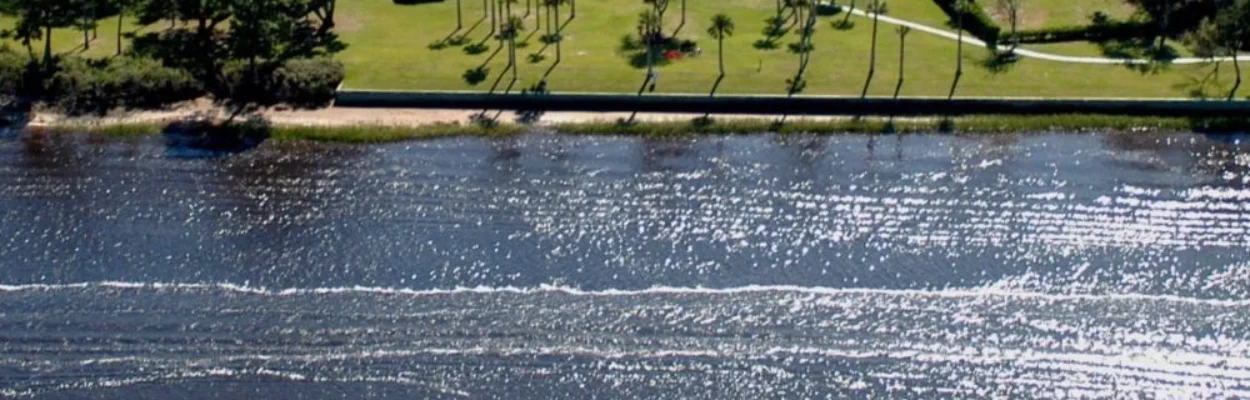
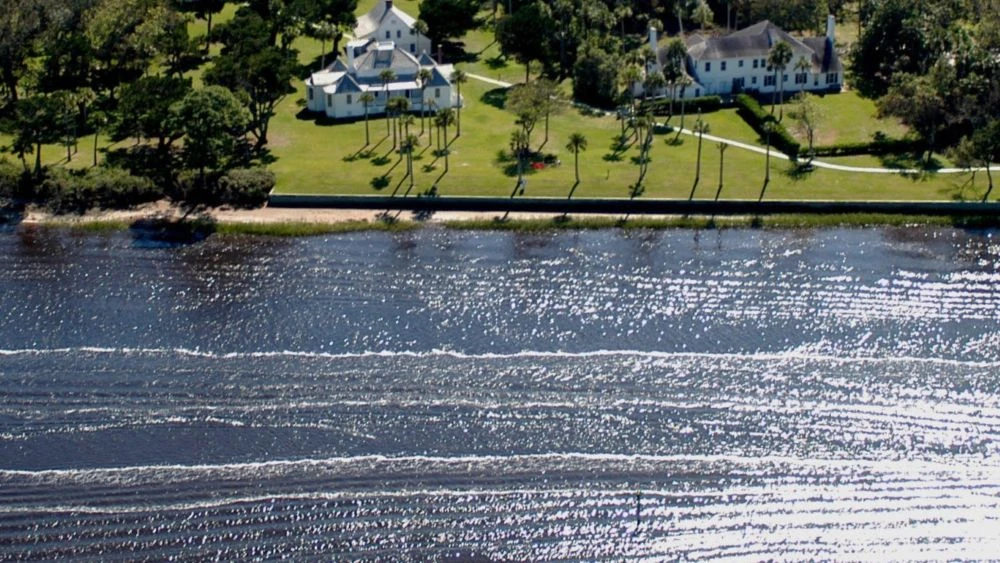
The Fort George River off the Kingsley Plantation in North Jacksonville. | Florida History Online, University of North Florida
Published on August 14, 2026 at 12:17 pm
Free local news and info, in your inbox at 6 a.m. M-F. Sign up for the Jacksonville Today newsletter.
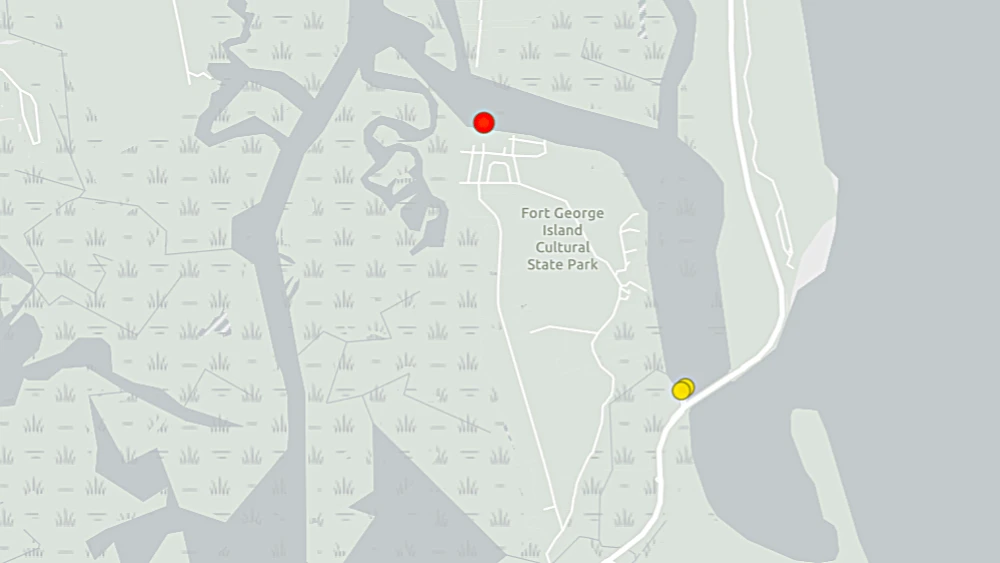
The state has issued a second red tide health alert this week in the waters near Heckscher Drive, after investigators detected it near Kingsley Plantation, north of the Fort George River.
The alert surfaced only four days after an earlier red tide warning for the tidal estuary near the Fort George Inlet just west of Heckscher Drive in the Fort George River.
Jacksonville Today thanks our sponsors. Become one.
Friday’s alert was issued after a water sample was taken Tuesday in the Fort George River, about a mile and a half west of Heckscher Drive in North Jacksonville, the Florida Department of Health reported. That site is just offshore of the National Park Service’s Kingsley Plantation, an 18th century plantation built by Zephaniah Kingsley and part of the Fort George Island Cultural State Park.
Officials warn people to exercise caution if they boat or swim in and around this part of the Fort George River, since red tide produces neurotoxins that can cause skin irritation, rashes and burning or sore eyes.
Red tide is caused by high concentrations of a toxin-producing algae that typically forms in late summer or early fall. People should not wade or swim in a bloom and should wash themselves and their clothing if they come into contact with it. People also should not harvest and eat shellfish or fish that look diseased from these waters, state officials warn.

Jacksonville Today thanks our sponsors. Become one.
On Monday, the state issued its first red tide warning of the summer for another part of the Fort George River just east of the Heckscher Drive bridge next to the city’s Huguenot Memorial Park and Ft. George Inlet.
The park is popular for swimming, boating and windsurfing in the summer. It is less than a mile and a half from the second red tide warning site.
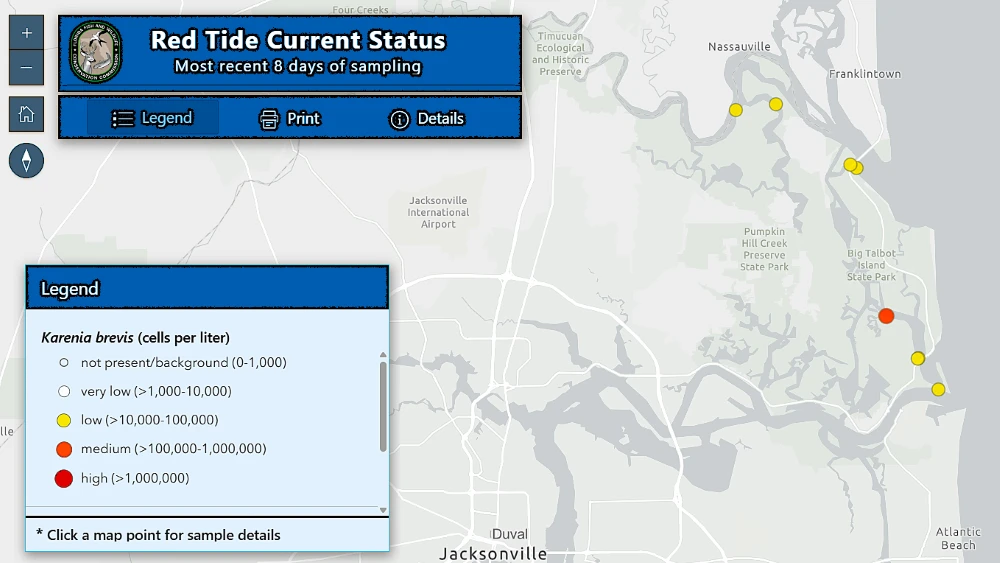
The state has a red tide status map online, showing results from the prior eight days of sampling. The latest, on Aug. 7, says the red tide organism, Karenia brevis, was observed in low or almost non-existent levels in 13 samples from Florida’s East Coast and background concentrations in seven samples along Florida’s Gulf Coast.
At the time, the state website said that K. brevis was observed at background to low concentrations in Nassau County and background to very low concentrations in Duval County. It also said that no fish kills suspected to be related to red tide were reported to the Florida Fish and Wildlife Conservation Commission’s Fish Kill Hotline over the past week.
No respiratory irritation related to red tide was reported at that point.