Published on June 12, 2026 at 10:14 am
Free local news and info, in your inbox at 6 a.m. M-F. Sign up for the Jacksonville Today newsletter.
Colorado State University has lowered its expectations for the 2026 Atlantic hurricane season.
Dr. Phil Klotzbach and his research team now forecast a notably quiet year across the basin.
Jacksonville Today thanks our sponsors. Become one.
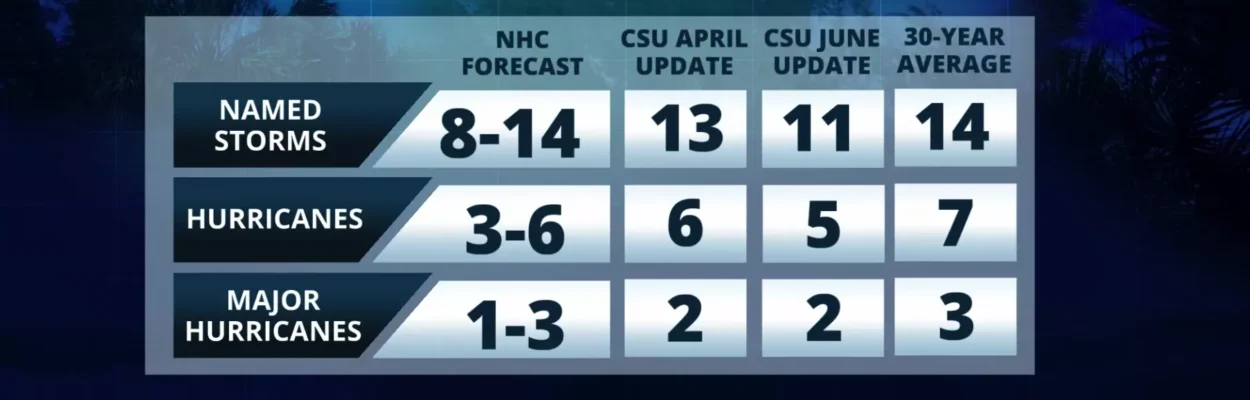
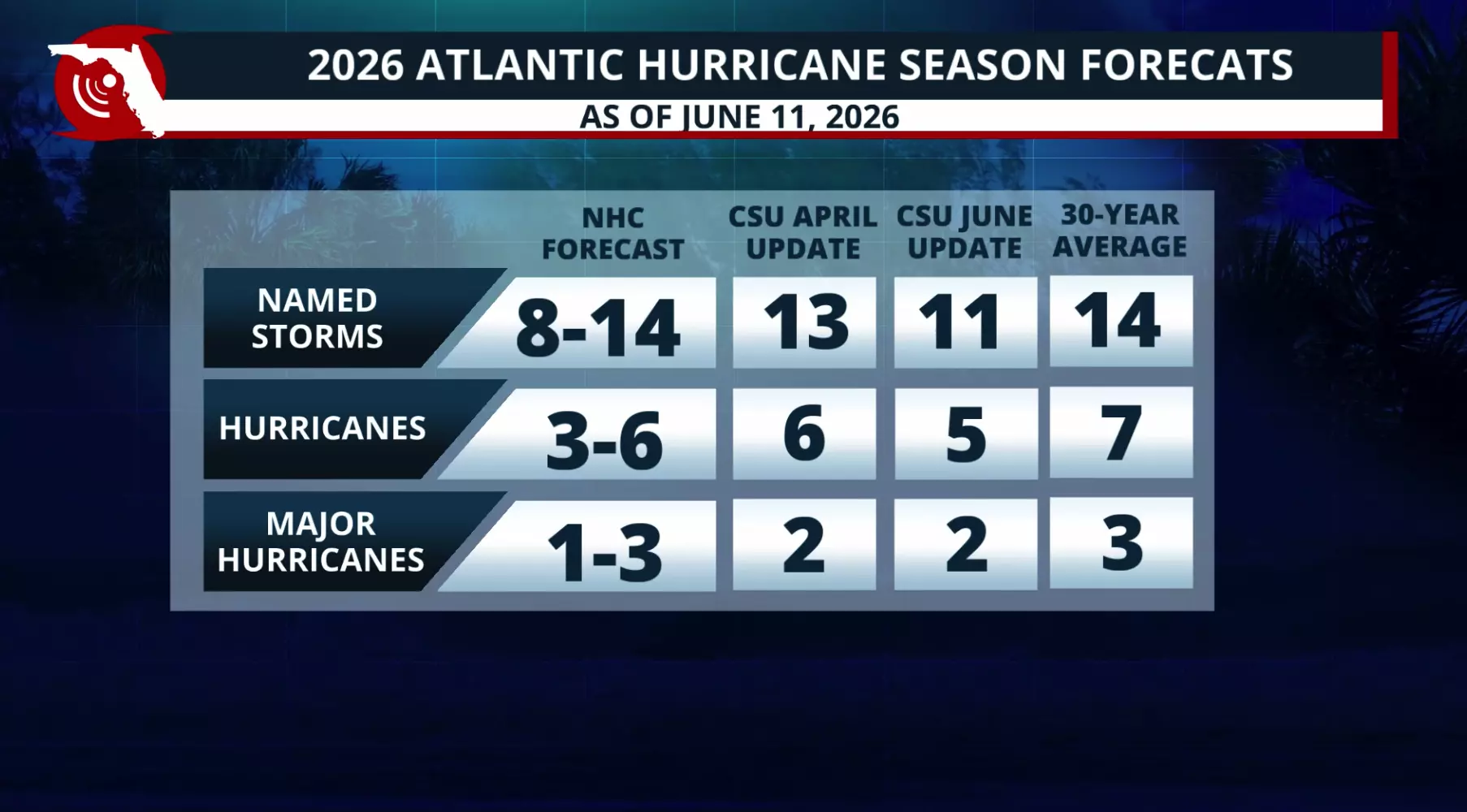
The university, which has issued seasonal hurricane outlooks for 43 consecutive years, first released its 2026 forecast April 9, predicting a below-average season with 13 named storms, six hurricanes, and two major hurricanes.
That outlook was largely tied to the anticipated development of El Niño. The latest forecast calls for 11 named storms, five hurricanes, and two major hurricanes.
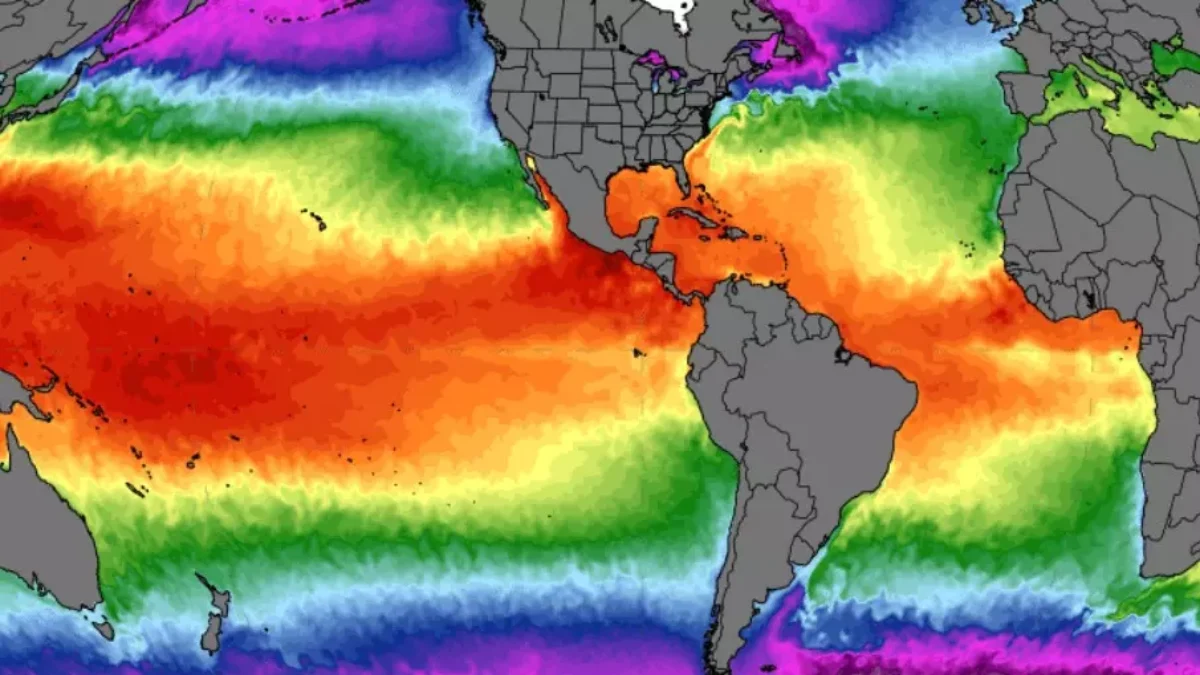
El Niño remains the biggest factor behind the quieter outlook. When it is present during the summer months, it often increases vertical wind shear over the Atlantic, making it harder for tropical systems to organize, strengthen or survive.
Jacksonville Today thanks our sponsors. Become one.
The pattern has now developed and is expected to intensify through the hurricane season, likely continuing into the winter.
Also, season forecasts are just guidance for activity and do not show any specific possible landfalls. Colorado State University highlights the probabilities of a storm making landfall, broken down by region. CSU also issued its 2026 probabilities for a major hurricane landfall:
• Entire U.S. coastline: 24% (historical average: 43%)
• U.S. East Coast, including the Florida Peninsula: 11% (historical average: 21%)
• Gulf Coast: 14% (historical average: 27%)
• Caribbean: 26% (historical average: 47%)
CSU compared the current setup to several previous El Niño years, including 1957, 1965, 1987, 1997, 2009, and 2015. Each of those years produced below-average hurricane activity in the Atlantic.
Based on those analogs, the team expects 2026 to reach about 60% of a typical season.
Copyright © 2026 Storm Center