Published on May 8, 2026 at 9:47 am
Free local news and info, in your inbox at 6 a.m. M-F. Sign up for the Jacksonville Today newsletter.
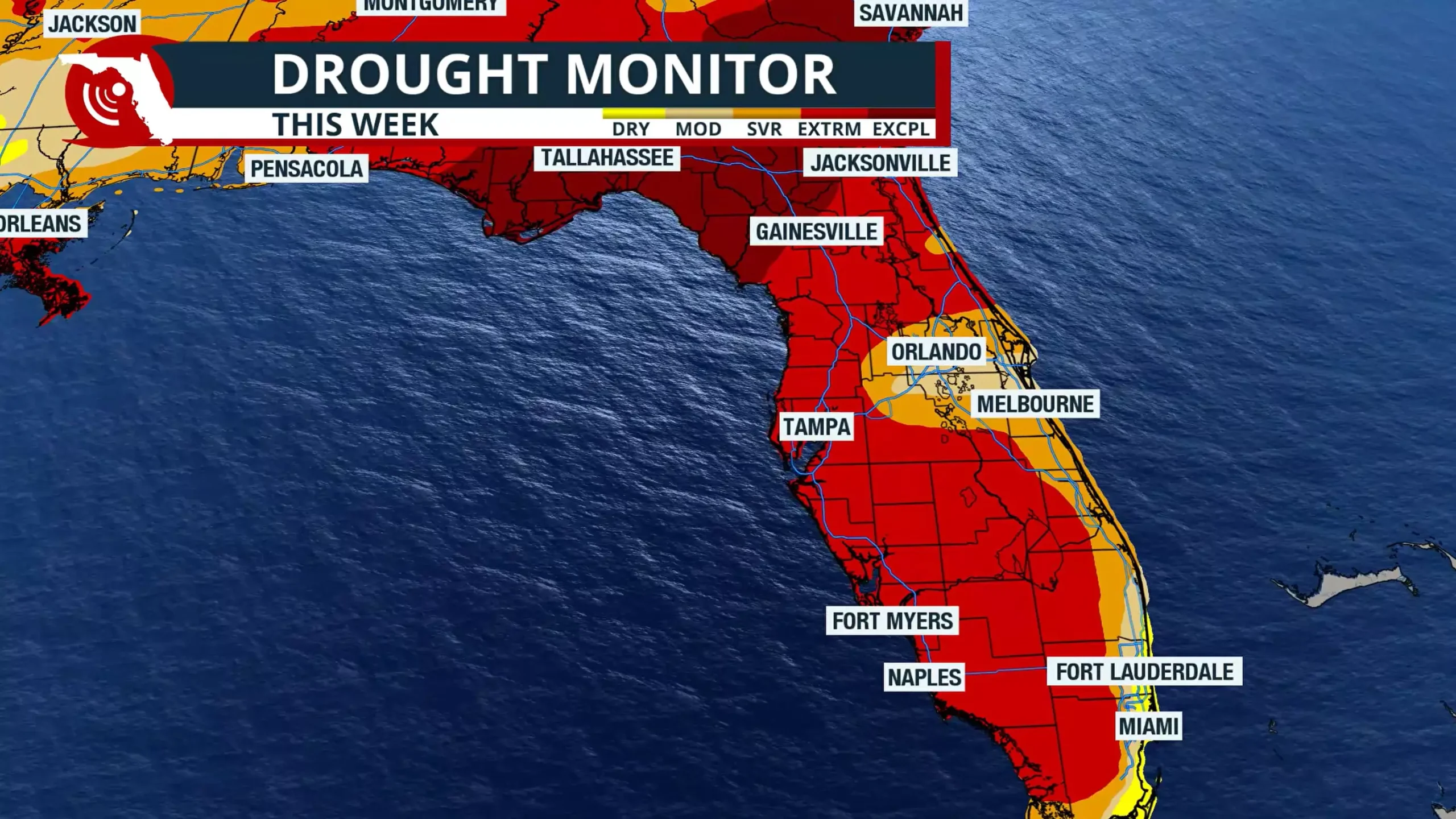
The recent drought has taken a toll on groundwater levels and water quality across Florida. Despite this, drinking water supply for residents and water supply used to extinguish recent wildfires has had little to no impact.
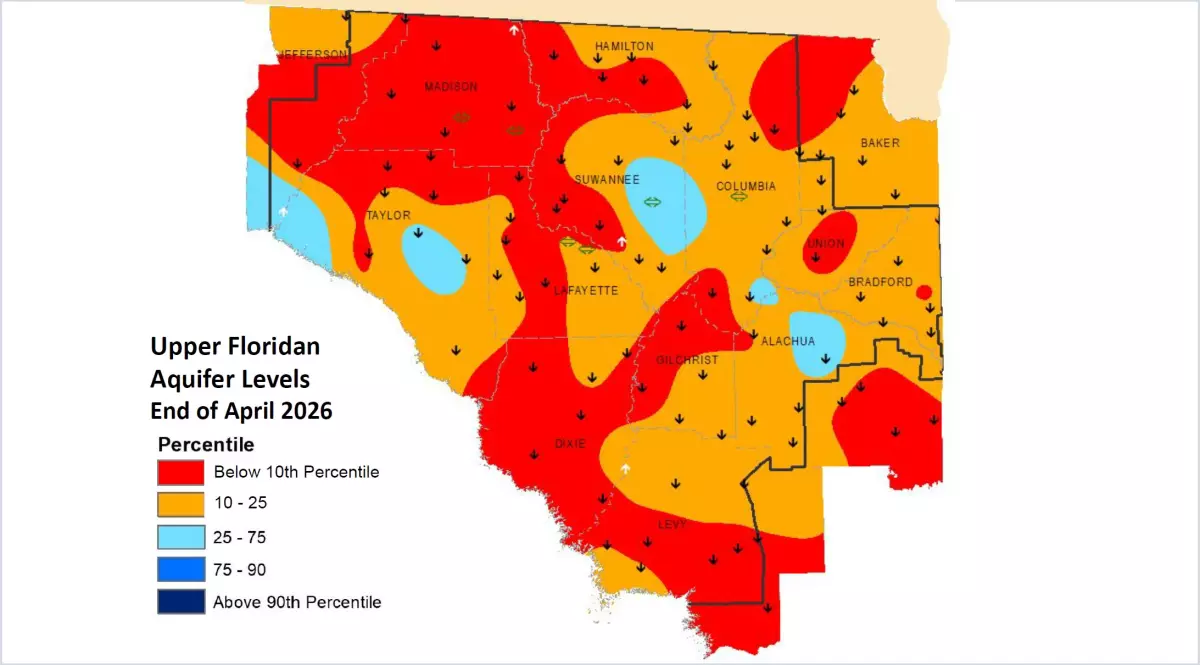
Troy Roberts, office chief of communications and outreach for the Suwannee River Water Management District, says the groundwater levels are in the 13th percentile with some areas sitting even lower than that across the district.
Jacksonville Today thanks our sponsors. Become one.
Roberts expects the low groundwater supply and streamflow conditions to see some relief in major rivers this month.
So far, there are no major concerns with the amount of water firefighters have had to use on recent wildfires.
“The district is obviously supportive of any efforts to extinguish these wildfires and protect those people and property — that is a priority. And, obviously, while water use is involved here, much of that water being dumped on the ground is going to go back into the ground and will go back into our groundwater,” Roberts emphasized.


Jacksonville Today thanks our sponsors. Become one.
The drought and firefighters
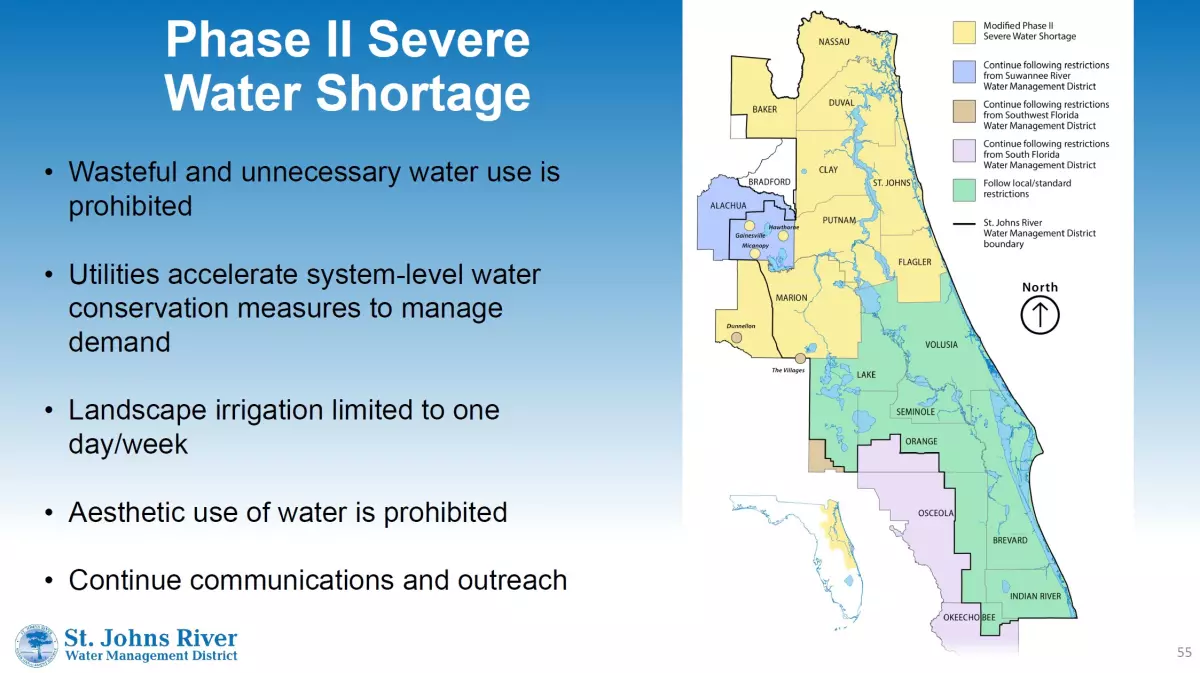
Kelly Godsey, a senior service hydrologist with the National Weather Service in Tallahassee, Florida, reminds residents that although water supply for firefighters has not been greatly affected, the St. Johns River, Northwest Florida, and Suwannee River Water Management Districts have still implemented water restrictions because of the drought and lower groundwater levels.
Roberts mentioned that golf courses are also taking measures for their water usage. He said individual water usage can add up quickly, especially since there are 370,000 people living in the Suwannee district alone.
“If you turn off your tap for that 60 seconds while you’re brushing your teeth, you can save up to 4 gallons per minute,” Roberts explained.
Roberts emphasizes that every drop of water counts.
Godsey agrees with Roberts and says municipalities are still able to successfully pull water out of the ground. Neither of them has heard any reports of wells going dry yet.
“Our groundwater levels are not quite as low as in past droughts, but they are trending lower, so that’s something we’re going to keep an eye on,” Godsey said. “So, we’re not quite that dry on groundwater yet to where it’s going to be affecting drinking water on a large scale, so, if there are any issues, it’s generally more localized.”
With low river flows, Godsey says this could affect the overall water quality.
“Any type of contaminant or runoff from someone’s property or other locations into the river is just going to be at a greater concentration which can greatly decrease overall water quality just because we don’t have as much water in the river,” Godsey explained. “Any pollutants that are introduced into the water will make the river much less safe to be in.”
Godsey says local municipalities check their water quality monthly including well water. In the meantime, he says the Florida Department of Health tracks heavy rainfall events and keeps an eye on any incoming containments that may get released into the river system.
Copyright © 2026 Storm Center