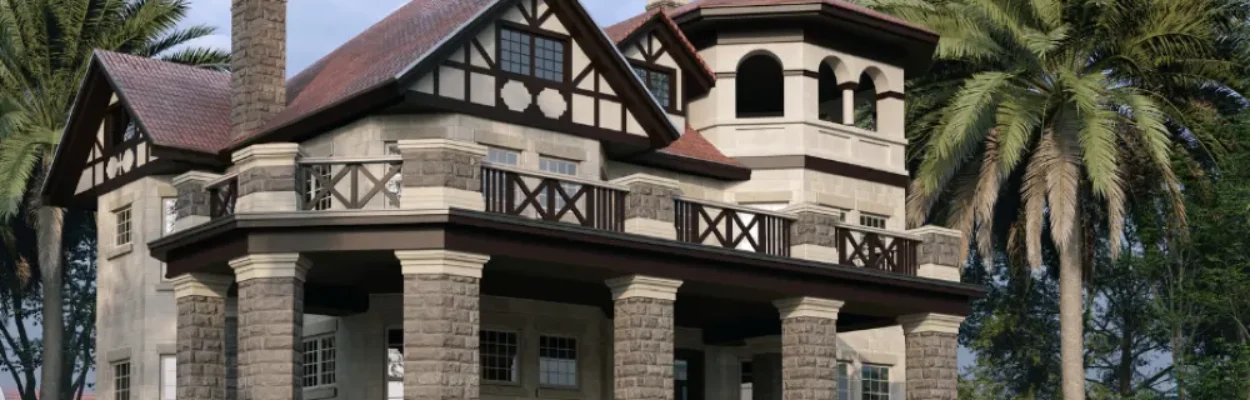
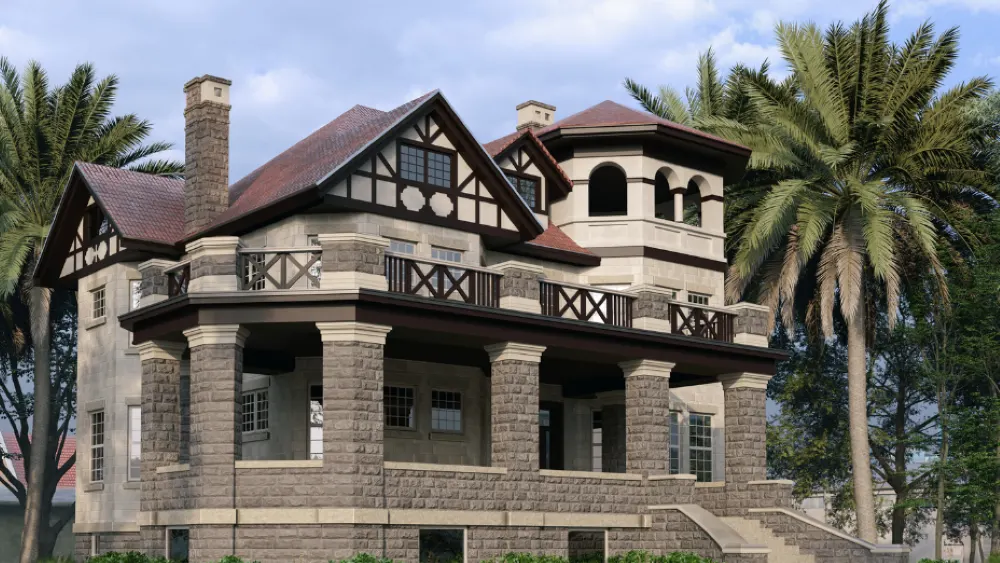
JAA Architects released this rendering of what the restored Horace Drew Residence in Springfield could look like after its renovation for SPAR. | JAA Architects
Published on September 24, 2026 at 12:14 pm
Free local news and info, in your inbox at 6 a.m. M-F. Sign up for the Jacksonville Today newsletter.
The 117-year-old Horace Drew mansion on Third Street in Springfield is getting closer to getting a second life, as Springfield Preservation and Revitalization hires an architect to oversee a rehabilitation plan for the historically significant property.
SPAR plans to convert the boarded-up home across from Klutho Park into what it calls a “community living room.”
Jacksonville Today thanks our sponsors. Become one.
The nonprofit acquired the abandoned home in late 2025 to ensure its preservation. It says JAA Architecture will oversee its rehabilitation.
“JAA’s proposal offered a comprehensive plan and the most responsible use of our donors’ funds,” SPAR executive director Michael Haskins said in a news release. “JAA has extensive experience in historic preservation, including a number of recent projects in the Springfield Historic District. We couldn’t be more excited to work with them.”
JAA President John Allmand said it is an honor to be part of the team “entrusted with bringing the historic Drew Residence back to life.”

Jacksonville Today thanks our sponsors. Become one.
“We look forward to the rehabilitation of this remarkable piece of Jacksonville’s history and seeing it begin a new chapter as a meaningful space for the Springfield community,” he said in the SPAR statement.
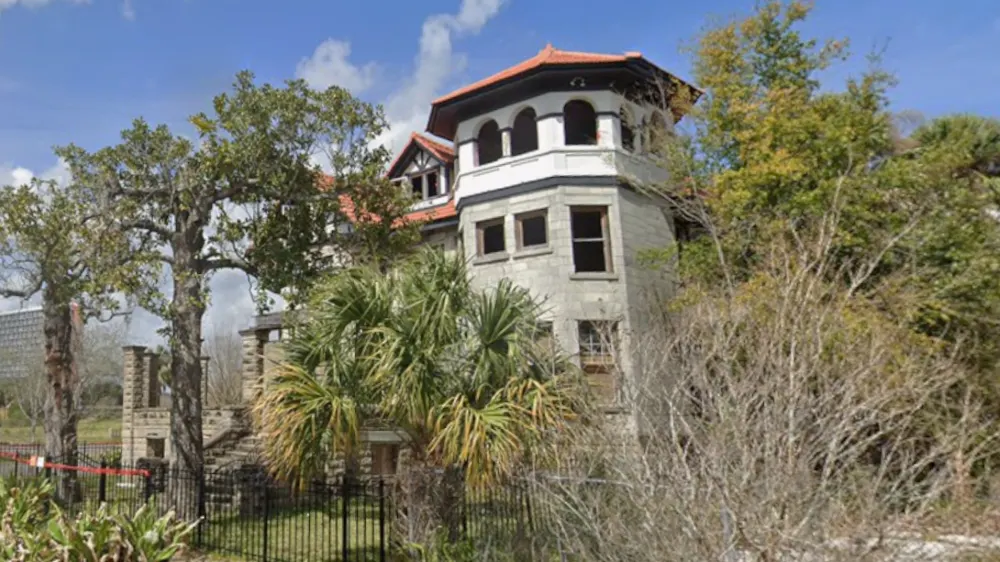
The home was built in 1909 and was first occupied by physician Horace Drew. The Drew family continued to live there into the 1930s. It remained a private residence through the1970s, and then was occupied again until 2006. The building has since been mostly abandoned and was listed in 2012 as one of the city’s most endangered historic structures by the Jacksonville History Center.
The three-story corner property is boarded-up and badly deteriorated, receiving some repair work under another owner in 2018 until that worked stopped a few years later, according to abandonedsoutheast.com.
Now SPAR officials say they will avoid its “demolition by neglect.” That includes making it a publicly accessible community space with a small-business incubator in the form of low-cost office space for businesses receiving support from Springfield’s business association.
The rehabilitation work will be funded, in part, through the Cultural Council of Greater Jacksonville and the state’s Division of Historical Resources. But fundraising for the $1.5 million construction campaign is ongoing.
SPAR is also working to secure national, state and city grant funding, as well as donors to support grant match requirements.