Florida's soon-to-be $15 minimum wage will be adjusted for inflation in the future.
Published on September 18, 2026 at 9:52 am
Free local news and info, in your inbox at 6 a.m. M-F. Sign up for the Jacksonville Today newsletter.
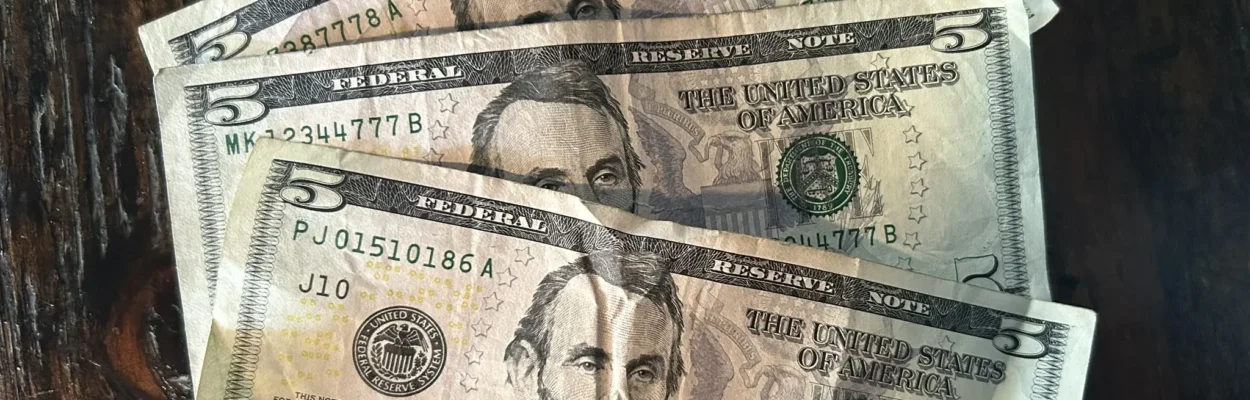
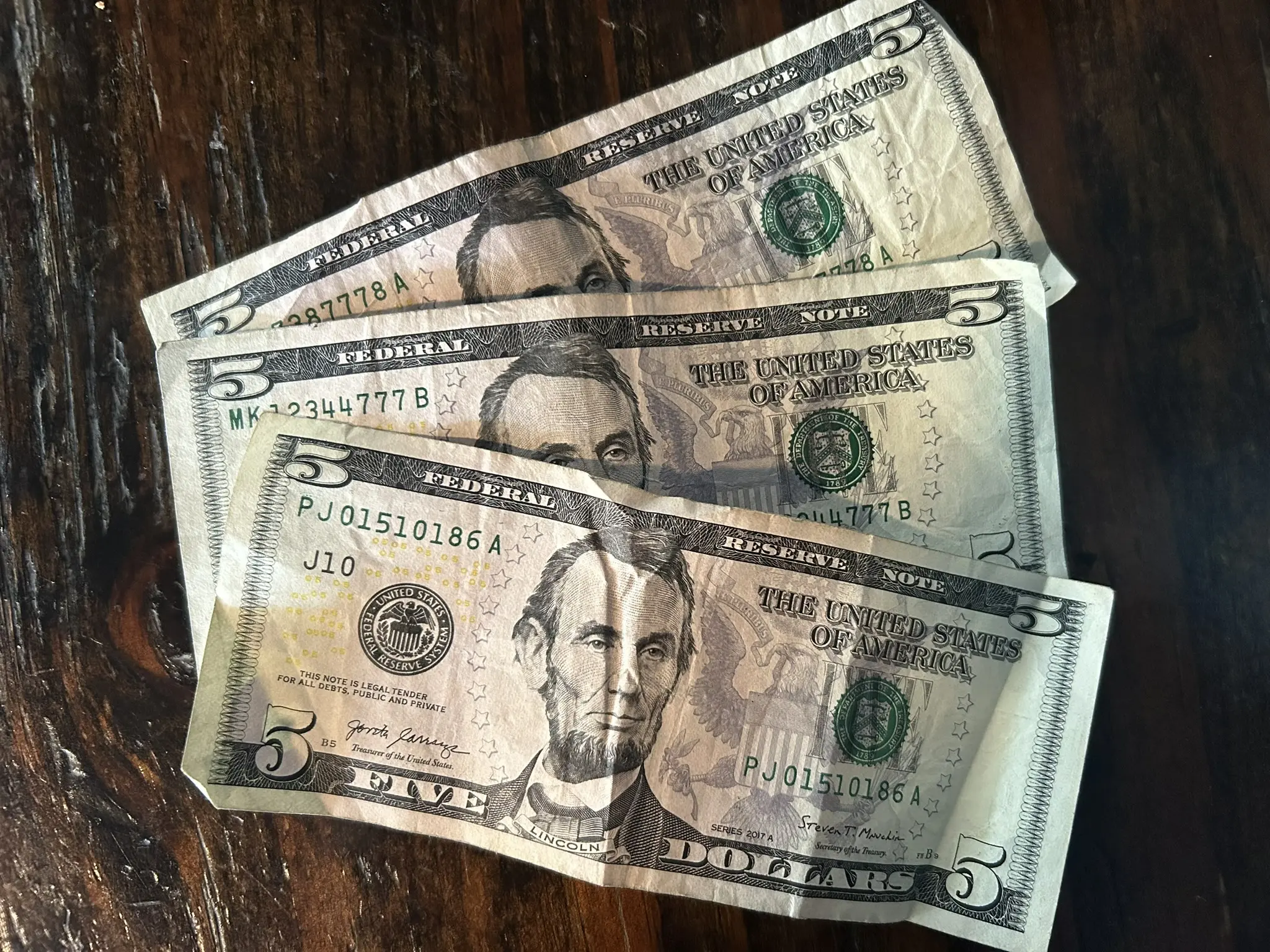
Florida’s minimum wage is rising to $15 on Sept. 30.
It currently sits at $14. It’s been rising steadily in recent years because of a $15 minimum wage constitutional amendment Florida voters approved in 2020.
Jacksonville Today thanks our sponsors. Become one.
For tipped workers, employers will have to pay at least $11.98, with the ability to count $3.02 in tips toward reaching $15.
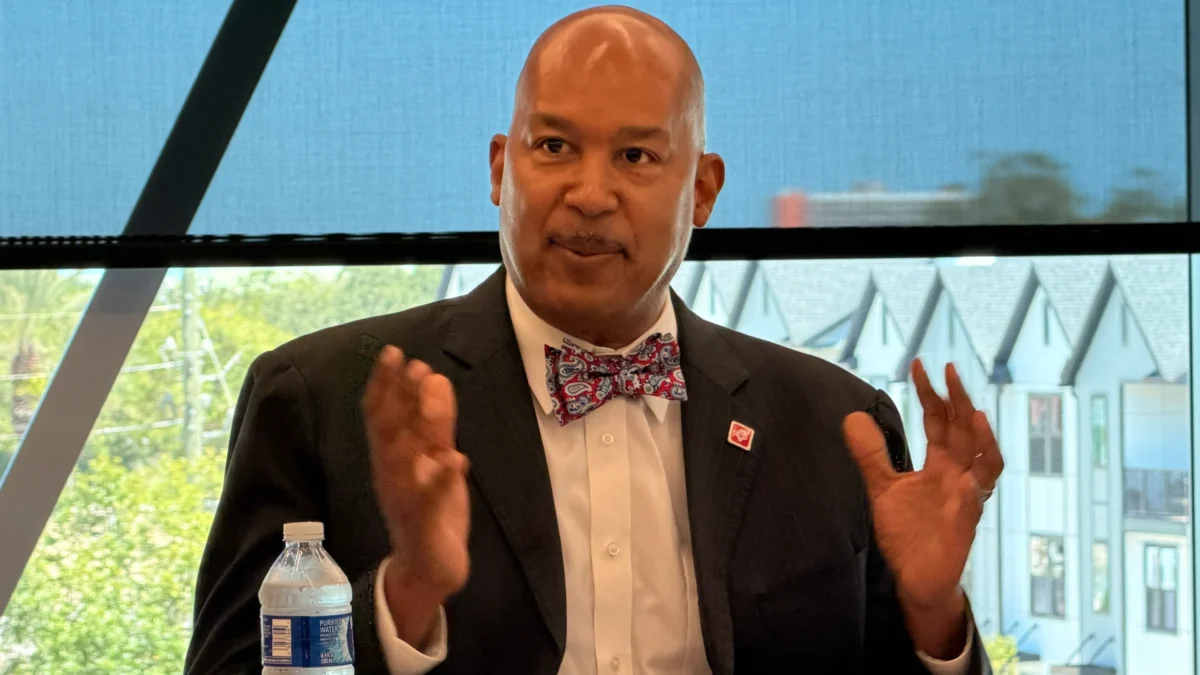
“This path that we’ve been walking for the past several years has been positive in a lot of those ways in that it’s forward-looking and it gives everybody the opportunity to plan,” said Jyllian Bradshaw, a shareholder as well as a labor and employment attorney for the Florida-based law firm Lowndes.
“It’s no secret that the cost of living has been on the steady increase over time, and we’re fortunate in this state to have this framework and pathway that sort of keeps pace,” she added.


Jacksonville Today thanks our sponsors. Become one.
ALSO READ: Florida voters approve $15 minimum wage
In 2019, Florida’s minimum wage was less than $9. With the $15 rate reached, the minimum wage will only rise in the future to keep pace with inflation unless there’s another law change.
State lawmakers can raise it further. So can citizens through the constitutional amendment process.
And if the federal minimum wage rises above $15, Florida employers would have to pay that higher rate. But the federal minimum wage is only $7.25 right now.
The 2020 Florida amendment got 60.8% of the vote — it needed 60% to pass.
Supporters said the former wage wasn’t a livable one and that workers getting more money to spend would create economic growth. They said the phase-in, with the full $15 amount not being reached until later this month, would give businesses time to adjust.
And some say it’s not high enough. For example, state Rep. Angie Nixon of Jacksonville, the Democratic nominee for U.S. Senate, is campaigning on a $25 federal minimum wage.
“Because when vegetables and fresh produce feel like a luxury for our working families, we have a major problem,” Nixon said in a social media post.
Opponents of the wage raise said it would hurt businesses and increase costs for them, leading to job cuts. The Florida Restaurant and Lodging Association was one of those concerned.
It’s still concerned.
“Gas costs are going up, transportation costs are going up, food costs are going up,” said Samantha Padgett, vice president of government relations and general counsel for the association. “And so when you put on that that the labor costs are also increasing, it does add to challenges for business owners and operators.”
And Padgett noted those costs will continue to go up as the $15 is adjusted to inflation.
“I think some employers may not be prepared for the fact that $15 is not the ceiling for Florida’s minimum wage,” she said.
If you have any questions about state government or the legislative process, you can ask the Your Florida team by clicking here.
This story was produced by WUSF as part of a statewide journalism initiative funded by the Corporation for Public Broadcasting.
Copyright © 2026 WUSF 89.7