
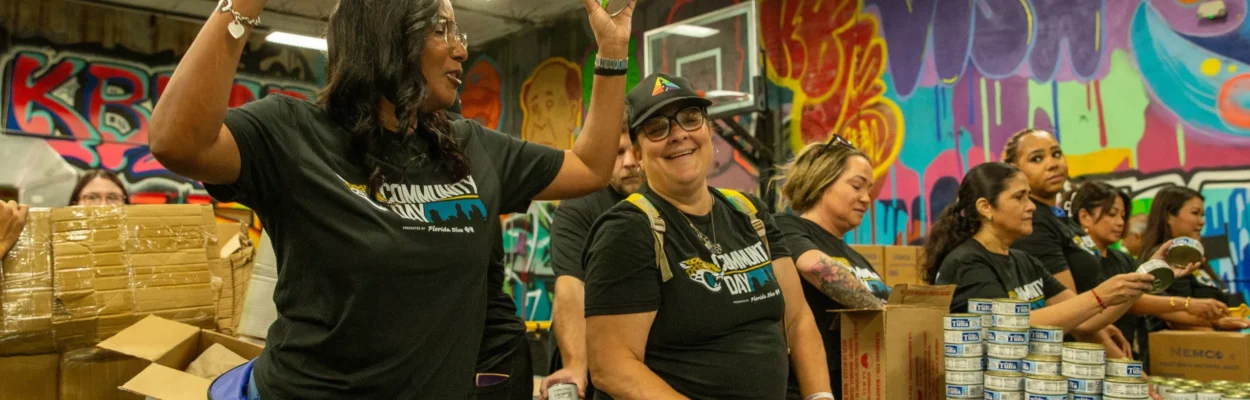
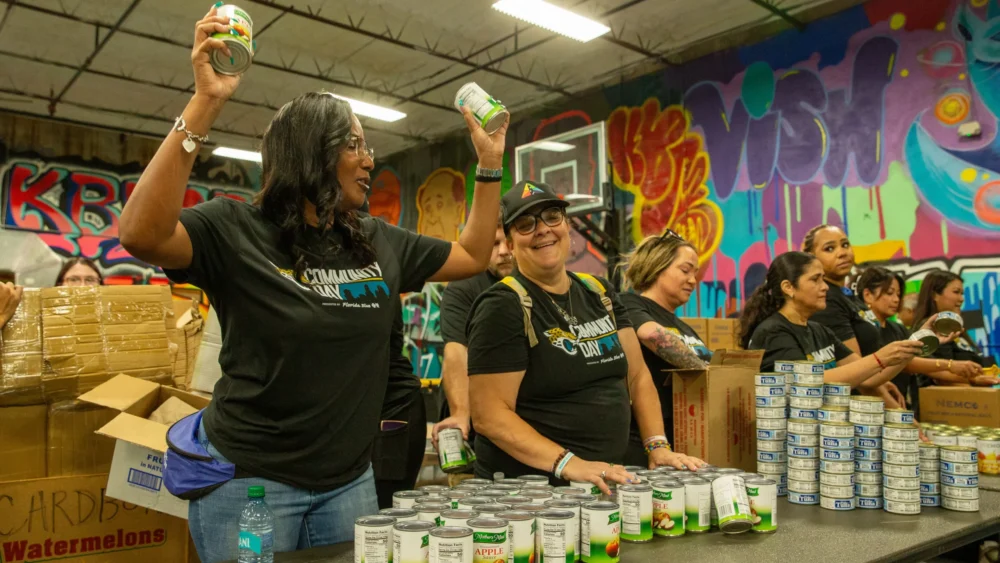
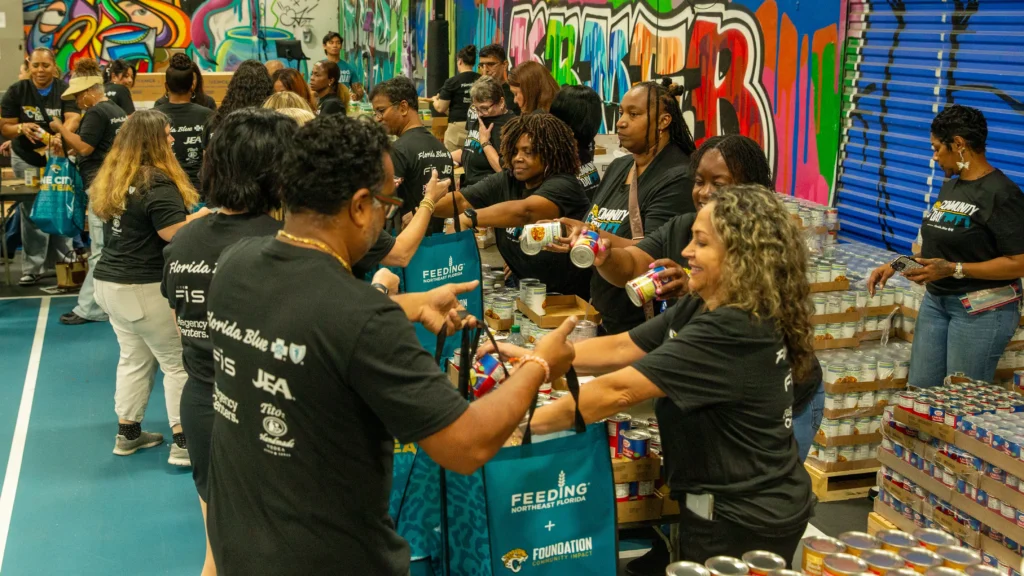
LaRosa Benn, left, chants as she packs apple sauce during the Jacksonville Jaguars Foundation's Community Day on Aug. 20, 2026, on the Eastside. The Jaguars Foundation has partnered with Feeding Northeast Florida to provide food for the last seven years. | Will Brown, Jacksonville Today
Published on August 25, 2026 at 3:56 pm
Free local news and info, in your inbox at 6 a.m. M-F. Sign up for the Jacksonville Today newsletter.
Federal restrictions on food assistance qualifications, alongside rising food and fuel prices, have been a kidney punch to food banks across America.
Feeding Northeast Florida, which gave away more than 38.1 million pounds of food from its food banks in 2025, says it’s on pace to surpass that amount this year. Feeding Northeast Florida CEO Susan King tells Jacksonville Today her organization has witnessed a 20% increase in visitors to its food distribution events this spring, compared to the first quarter of 2025.
Jacksonville Today thanks our sponsors. Become one.
“Absolutely everybody can find their way to our food lines at times,” King says.
“We know that every financial pressure puts pressure on the food bank and the food assistance programs, because that’s the first thing, the easiest thing, to try to cut,” King said. “You have to pay your rent. You have to pay your utilities. If you need a car, you have to pay your insurance. Those kinds of things are not flexible.”
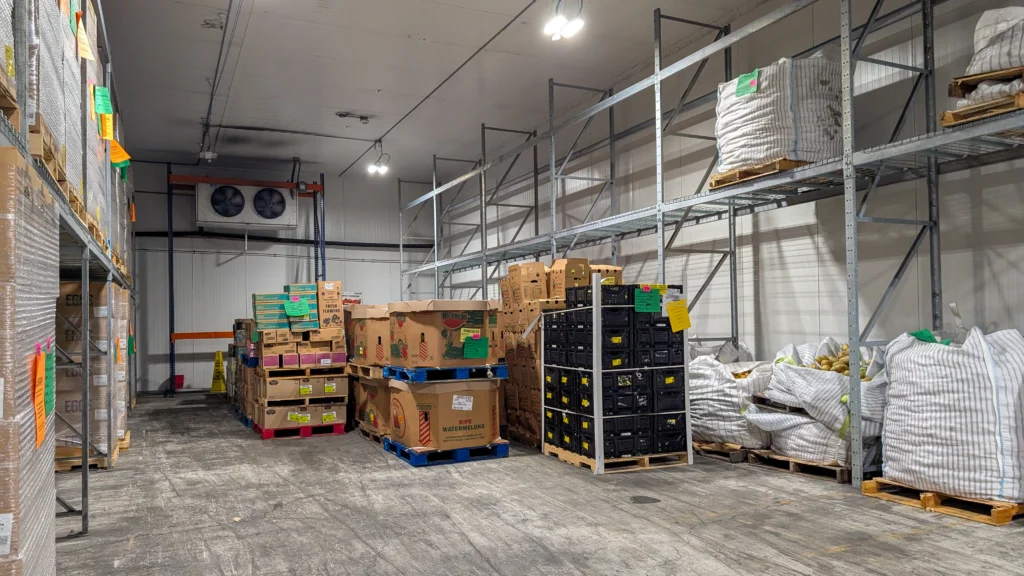
Feeding Northeast Florida partners with 420 organizations and agencies across 12 counties to distribute non-perishable food, canned food, snack packs and more to hungry people.

Jacksonville Today thanks our sponsors. Become one.
“They consistently report that they are turning away households because they run out of food, they are not able to serve everybody and there are an increasing number of people coming to their agencies,” King says.
Food and fuel fluctuations
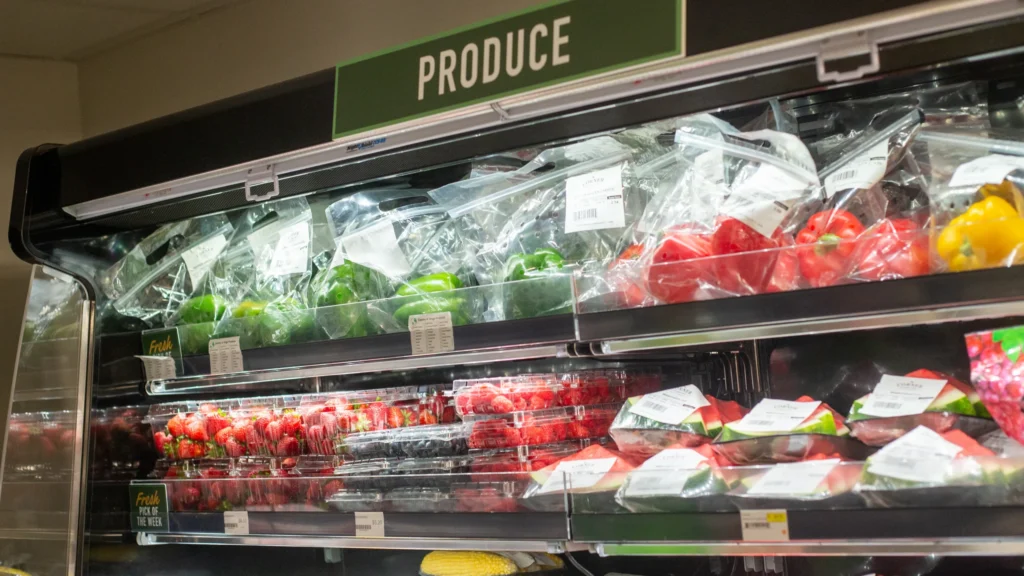
Food prices increased 2.3% between July 2025 and July 2026. According to the Bureau of Labor Statistics, food at home prices in June of this year were the highest in a decade.
Since President Donald Trump began his second term in January 2025, Bureau of Labor Statistics data shows food prices in the South have increased 3.15%. That was after a 16.14% increase in food prices in the South during the first 18 months of President Biden’s tenure amid supply chain challenges wrought by the Covid-19 pandemic.
Recent world events are also contributing to fast inflation that’s affecting First Coast families. Conflict stemming from the Trump Administration’s coordinating with Israel to bomb Iran this year is one reason gasoline prices in greater Jacksonville have increased 31% over the last 12 months.
That’s as utility costs are also rising locally. In October, JEA will execute price increases for electricity, water and sewer service.
The start of the academic year has alleviated some of the financial pressure on under-resourced families with children.
More than 21,000 Duval County public school students utilize SNAP benefits, a slight decline from the approximately 23,000 students in October 2025. Students are eligible for reduced lunch if their household earns between below $71,588 and for free lunch if they earn less than $50,284.
But scores of other students come from households that make just above that.
Florida restricts assistance
This week, the state of Florida took a step to curb what Gov. Ron DeSantis considers wasteful spending of financial assistance dollars by restricting spending by recipients of another federal assistance program, Temporary Assistance for Needy Families.
TANF dollars will not be allowed to be spent on items including tobacco, vaping products, drugs, pornography, tattoos, tanning beds, video games and fortune telling services.
DeSantis announced the first-in-the-nation restrictions Monday at a Feeding Tampa Bay warehouse, where he said the Temporary Assistance for Needy Families program should be part of the social safety net, “particularly when you have to raise kids,” but that government assistance should be reserved for things that are essential.
“The amount of money that people are getting is, clearly, not astronomical,” DeSantis said Monday. “This is not something that people are getting wealthy on. Nevertheless, we want to make sure that’s channeled to the intended purposes of the program.”
The Florida Department of Children and Families oversees the distribution of both Temporary Assistance for Needy Families and Supplemental Nutrition Assistance Program funds.
And on Oct. 1, 2027, the federal government will shift administrative costs for SNAP to state governments. That will come after the number of Duval County residents who utilize Supplemental Nutrition Assistance has declined by more than 20% over the past nine months amid federal funding uncertainty.
The changes in policies and rising prices come as the holiday season — Feeding Northeast Florida’s busiest time of year – emerges from the horizon into closer focus.
“We work really hard at fundraising, creating awareness, advocacy and public policy,” King says. “So, you just got to bring the problem to people and they, usually, try to be a part of the solution.”