
Amid a cyclospora outbreak, doctors caution that washing produce with water may not be enough. | Jessica Palombo, Jacksonville Today
Published on July 19, 2026 at 11:28 am
Free local news and info, in your inbox at 6 a.m. M-F. Sign up for the Jacksonville Today newsletter.
Cases of cyclosporiasis are surging across the U.S., with a few recorded in Northeast Florida. Here’s what to know, according to Baptist Health Dr. Shalika Katugaha, medical director of infectious diseases and select specialties.
Cyclosporiasis, Katugaha tells Jacksonville Today, is the illness caused by the parasite Cyclospora. It can contaminate water or produce. The sickness is characterized by “severe and unpredictable gastrointestinal illness, often called explosive diarrhea.” Symptoms can last for weeks to months and lead to dehydration, significant weight loss and fatigue. “But if you get the proper treatment,” she says, “you can feel better in one to two days.”
Jacksonville Today thanks our sponsors. Become one.
Cyclosporiasis is not new. Cases tend to spike during the summer from May to August. But this year, cases are substantially higher. This rise was linked, in part, to a multi-state outbreak linked to shredded iceberg lettuce supplied by Taylor Farms de Mexico. The affected lettuce was served in Taco Bell locations in Indiana, Kentucky, Michigan, Ohio, and West Virginia. The CDC is still working to determine whether the infected lettuce went to other locations.
Cases have also popped up in Florida. Katugaha tracks them using the Florida Department of Health’s website. According to the Department of Health, as of July 11 (the latest data available) Duval County has four reported cases of cyclosporiasis, St. Johns has three, and Flagler has two. Florida has a total of 96 cases so far this year.
But actual cases are always more than those reported, and particularly with cyclosporiasis, which requires a targeted stool test, Katugaha says. Sometimes, when symptoms are mild, people choose to stay home instead of going to the doctor.



Jacksonville Today thanks our sponsors. Become one.
Katugaha says it’s important to seek a diagnosis if you believe you may have cyclosporiasis. “Reporting ensures that public authorities can track the outbreaks and identify the food sources,” she says, which can keep us safe from the illness in the long run. Plus, treatment can help you get better quicker.
If you think you may have cyclosporiasis, ask your doctor for a test. Your doctor will report a case to the Florida Health Department, and they will report the case to the federal Centers for Disease Control and Prevention if the test comes back positive.
Advice for avoiding cyclospora has remained consistent since the outbreak began:
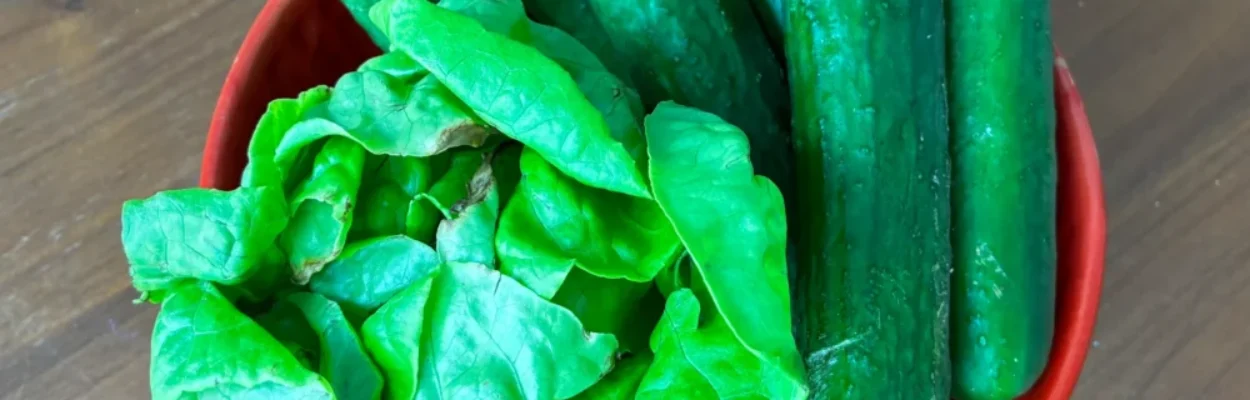
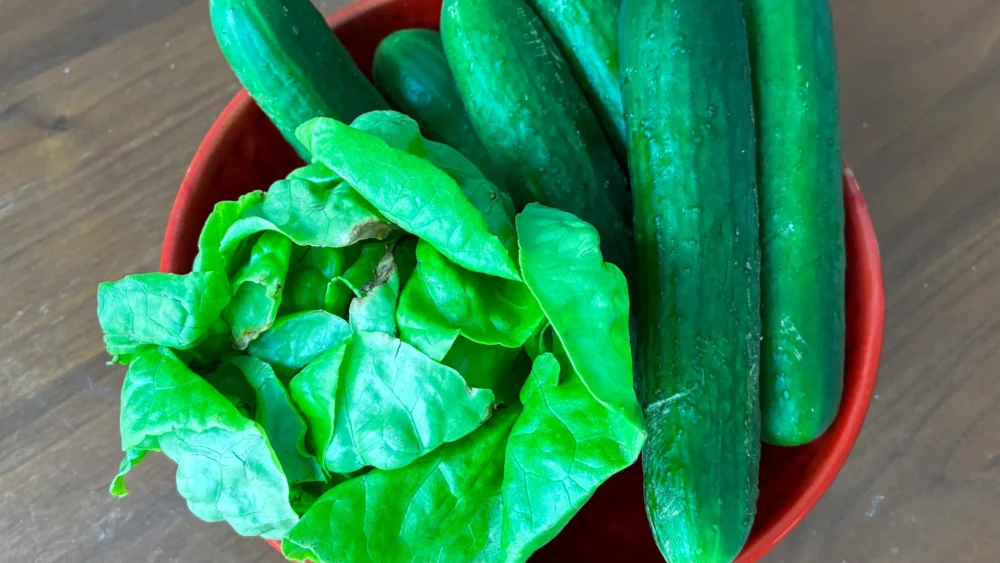
- Be wary of lettuce, particularly pre-chopped lettuce and bagged salad mixes; herbs like basil, cilantro, and parsley; raspberries; snow peas; and cucumbers;
- Washing produce with water might not be enough. Scrub fruits and vegetables with a brush, especially those with bumpy surfaces because it can be difficult to wash cyclospora off. Know that cyclospora is too small for you to see;
- Cook everything you can at temperatures above 158 °F to kill the parasite;
- Fruits with a thick rind like oranges, bananas and melons are considered to be lowest risk.
And you might want to stay away from Taco Bell for now.