Published on May 20, 2026 at 10:02 am
Free local news and info, in your inbox at 6 a.m. M-F. Sign up for the Jacksonville Today newsletter.
While Juneteenth is now recognized nationally as the day commemorating the end of slavery in the U.S., Florida has long observed its own Emancipation Day on May 20, the date freedom was officially enforced statewide in 1865.
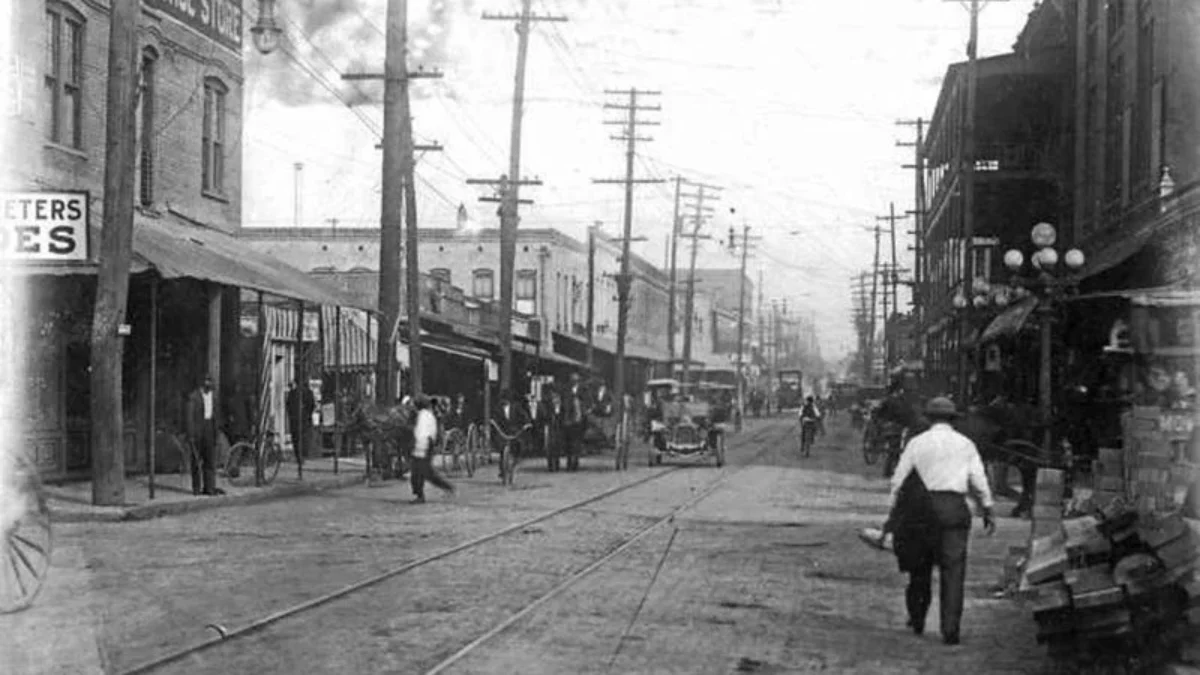
For Jacksonville, the story of emancipation is especially significant. During the Civil War and Reconstruction era, the city became both a pathway to freedom and a center for some of Florida’s largest Emancipation Day celebrations.
Jacksonville Today thanks our sponsors. Become one.
Here are three important storylines that reveal Jacksonville’s deep connection to Florida’s emancipation history.
Freedom arrived in Jacksonville before the rest of Florida

On January 1, 1863, President Abraham Lincoln issued the Emancipation Proclamation, declaring enslaved people free in Confederate-held states, including Florida. However, the proclamation could only be enforced where Union forces had military control.
That reality made Jacksonville unique.
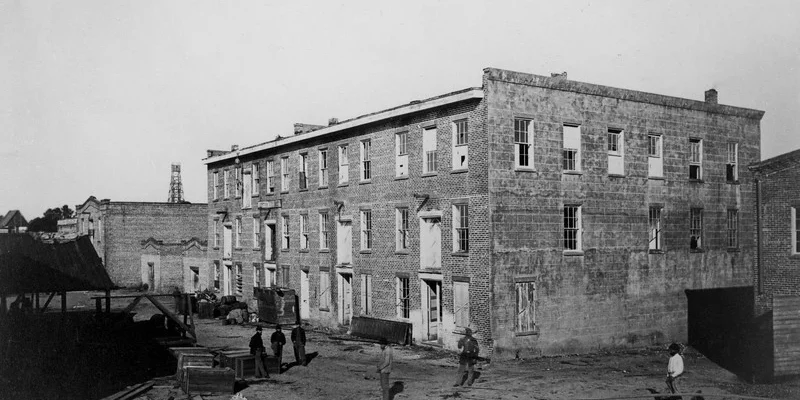
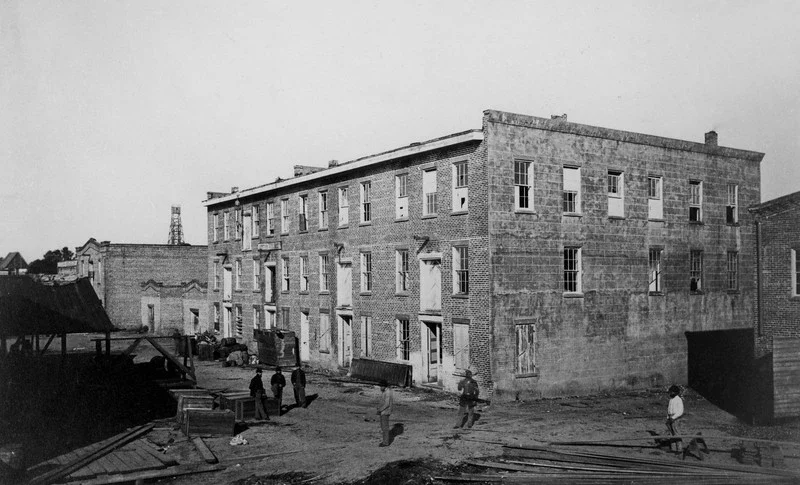
Occupied by Union troops multiple times during the Civil War, first in 1862 and permanently after February 1864, Jacksonville became one of the earliest places in Florida where enslaved Africans, the ancestors of the region’s Gullah Geechee descendants, could seek protection and freedom.
Jacksonville Today thanks our sponsors. Become one.
Long before freedom officially arrived statewide in Tallahassee on May 20, 1865, Jacksonville had already become a refuge for Black Floridians pursuing liberation.
Thousands escaped plantations throughout North and Central Florida and traveled to Union-controlled Jacksonville. Once inside Union lines, many were considered freed persons and found work with the military or enlisted in the U.S. Colored Troops.
Jacksonville’s strategic importance also connected the city to one of the most legendary figures in American history: Harriet Tubman. Tubman reportedly helped gather intelligence through a Union spy network that aided federal forces in capturing Jacksonville without Confederate resistance.
In March 1863, Union Brigadier Gen. Rufus Saxton wrote confidently to Secretary of War Edwin M. Stanton concerning his plan for the city: “I have reliable information that there are large numbers of able-bodied Negroes in that vicinity who are watching for an opportunity to join us.”
Jacksonville once hosted Florida’s largest Emancipation Day celebrations

Following the Civil War, Emancipation Day became one of Jacksonville’s most important annual celebrations within the African American community. During the late 19th and early 20th centuries, New Year’s Day Emancipation events drew massive crowds and featured parades, speeches, concerts, cookouts and historical commemorations honoring freedom and Black achievement.
One of the earliest documented celebrations occurred on January 4, 1868, when formerly enslaved residents gathered in what is now James Weldon Johnson Park for speeches, readings of the Emancipation Proclamation and public festivities.
By the turn of the century, the celebrations had grown into some of the largest public gatherings in Florida. In 1897, educator and national civil rights leader Booker T. Washington delivered the keynote address at Jacksonville’s Emancipation Day celebration at Panama Park.
A few years later, in 1902, thousands participated in a massive parade that traveled from Old Stanton School through Downtown Jacksonville streets before ending at the Jacksonville Driving Club grounds.
Perhaps the most remarkable celebration came on New Year’s Day 1904, when more than 10,000 attendees gathered in Durkeeville’s Mason Park (now the site of present-day Stanton College Preparatory School).
The event featured speeches by Judge Robert H. Terrell of Washington, D.C., Margaret Murray Washington and attorney J.D. Wetmore, while the Jacksonville Welcome Cornet Band led a parade through the city.
The gathering also reflected Jacksonville’s deep cultural influence through the benediction by Rev. James Johnson. Johnson was the father of James Weldon and J. Rosamond Johnson, who wrote and composed the music of the Black anthem, “Lift Ev’ry Voice and Sing,” which they debuted at Stanton School in LaVilla in 1900. At the time, newspapers described the event as the largest emancipation celebration in Florida.
The 1916 celebration was held at Edward Waters College. The Ladies Auxiliary of the college prepared barbecued pigs, lambs and choice beef for event attendees. Special guests included Charles Gabriel Post No. 6, of the Grand Army of the Republic and other veterans of the Civil War.
The centennial celebration was held at the Jacksonville Civic Auditorium with a program emphasizing the 100 years of progress of Jacksonville’s African American community on January 1, 1963, which was narrated by Rev. Samuel P. Nesbitt.
These events, uncovered in the digital archives of old newspapers, reveal a wealth of information that can be used to plan and facilitate future celebrations that link the city’s past with the present.
Florida’s Emancipation Day Is different From Juneteenth

On January 1, 1863, President Abraham Lincoln issued the Emancipation Proclamation, declaring slaves free in Confederate-held states, including Florida. While it immediately freed those in Union-occupied areas like Key West and parts of East Florida, for most of Florida’s 62,000 enslaved people, freedom was only enforced upon the surrender of the Confederacy.
As the Civil War tilted in favor of the Union, its forces enforced the proclamation gradually, with major milestones occurring when soldiers reached inland cities. The official end of slavery in Florida took place on May 20, 1865, when Union Brigadier Gen. Edward McCook read the proclamation from the Knott House steps in Tallahassee. As such, the Florida Department of State recognizes May 20 as the definitive day of freedom for the state, a tradition that has been celebrated for 163 years.
A month later than Florida, this day officially arrived for the enslaved in Texas on June 19, 1865, when Union Maj. Gen. Gordon Granger arrived in Galveston to announce that the state’s 250,000 enslaved people were free. During the 1890s, the name Juneteenth was first used as a portmanteau of June and 19th.
On June 17, 2021, Juneteenth became a federal holiday to commemorate the end of slavery in the U.S. However, technically, enslaved in Delaware and Kentucky were not freed until December 1865 when the national abolition amendment was ratified.
For Jacksonville residents, that process started years before May 20, 1865. The city’s Union occupation transformed it into one of Florida’s earliest centers of Black freedom, political organizing and Reconstruction-era community building.
Today, Florida Emancipation Day remains an opportunity to recognize both the statewide end of slavery and Jacksonville’s overlooked role in the broader struggle for freedom and civil rights.
Now Available: Jacksonville’s Gullah Geechee Heritage
A Community Story. A Cultural Record. A Call to Remember.
Jacksonville’s Gullah Geechee history lives in the land, the water, the neighborhoods, and the memories passed down through generations. Jacksonville’s Gullah Geechee Heritage brings those stories forward, rooted in place, shaped by community, and preserved for the future.
Jacksonville’s Gullah Geechee Heritage, a new book by Ennis Davis and Adrienne Burke, is now available for purchase.

“An invaluable resource combining extensive research, lived experience and generational knowledge inherited directly from within the culture providing a variety of fresh insights into a truly unique mixture of faith, community, ingenuity and resilience that is definitively Gullah Geechee.”
— Ted Johnson, National Park Service, Retired
Order your signed copy of Jacksonville’s Gullah Geechee Heritage
Order your signed copy of Jacksonville’s Gullah Geechee Heritage, out now in hard and soft cover.