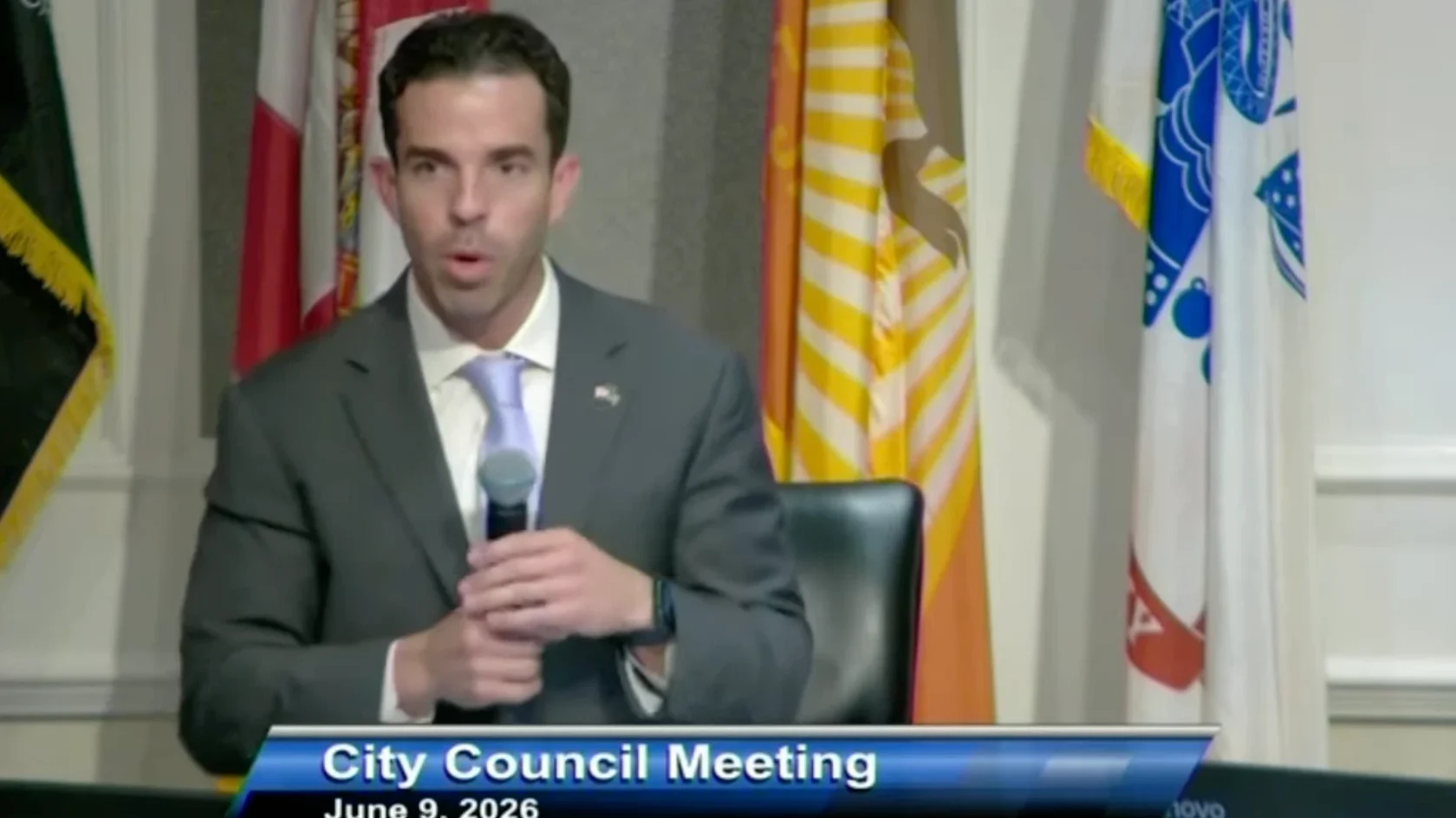
City Council member Raul Arias motioned to bring the school tax referendum for a vote on June 9, 2026. | City of Jacksonville/screenshot
Published on June 9, 2026 at 9:35 pm
Free local news and info, in your inbox at 6 a.m. M-F. Sign up for the Jacksonville Today newsletter.
Duval County voters will decide whether to renew a property tax levied by the Duval school district that, in part, supplements teachers’ salaries.
One week after the Jacksonville City Council Finance Committee decided to put off voting on authorizing the referendum on a four-year renewal, the council opted Tuesday with a 15-0 vote to add the question to November’s ballot after all.
Jacksonville Today thanks our sponsors. Become one.
“Our duty as a council is to simply pass this bill on so that the voters in Duval County can vote on it,” council member Tyrona Clark Murray said Tuesday. “It’s not our job to decide if they have that right — they have that right by Florida statute.”
The city’s Office of General Counsel said earlier that according to Florida law, the council plays a largely pass-through role in the process of bringing the referendum to the ballot on the School Board’s behalf. But, last week a handful of Finance Committee members questioned whether the district needs the additional revenue generated by the tax.
Supporters said continued delay risked missing a fast-approaching deadline for the Supervisor of Elections to get the referendum on the ballot.


Jacksonville Today thanks our sponsors. Become one.
Duval voters first approved the 1-mill tax in 2022. It costs property owners $1 for every $1,000 of taxable value. That comes to about $300 annually for average Jacksonville homeowner. District officials say it adds about $8,000 to each teacher’s salary and also helps pay for arts and athletic programs.
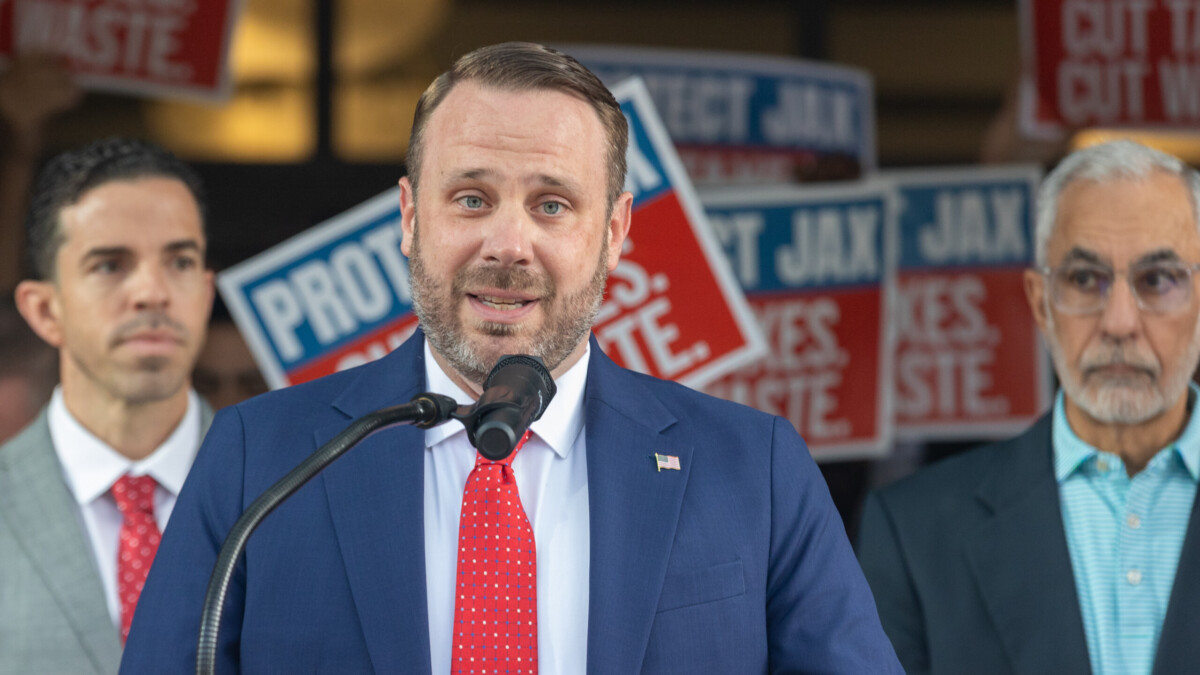
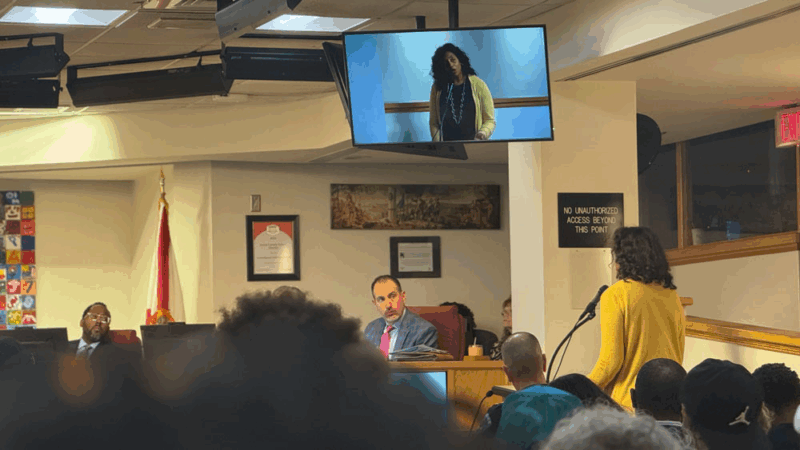
Last week, council member Raul Arias called the need to use the 1-mill property tax to pay teachers a “false narrative.” He hosted a community meeting last Friday, where Superintendent Christopher Bernier, several school board members, and numerous parents and teachers explained the difference the salary supplement makes in attracting and retaining skilled teachers.
On Tuesday, he told the council about his community meeting, calling it “emotional” and saying, “My heart was really moved.” He made the motion to bring the decision to the floor for a vote.
“We are representing our community,” Arias said. “They have a right to vote. Let’s not take that away from them.”
Procedurally, the council’s role in putting the referendum is largely “ministerial,” city General Council Michael Fackler told the council, because the School Board asked the council to do so with a 6-1 vote in early March.
School Board Chair Charlotte Joyce was the sole vote against the referendum, saying she agreed with paying teachers well but viewed arts and athletics as “luxury” programs while property taxes are expensive.
On Tuesday, council member Ron Salem said though he was initially skeptical of the district’s need for the money, he’d spent an hour talking with Bernier, who was “persuasive.”
“As I’ve stated before, I don’t have a ‘ministerial’ button,” Salem said, referencing the keypad council members use to register their votes. “And I feel strongly about that — I have a green button and a red button.”
Salem said he wanted to give Duval County voters the opportunity to vote on the referendum.
“I think the evidence is there that this has made significant improvements in our system,” Salem said. “I want to give the residents the ability to vote on it themselves.”