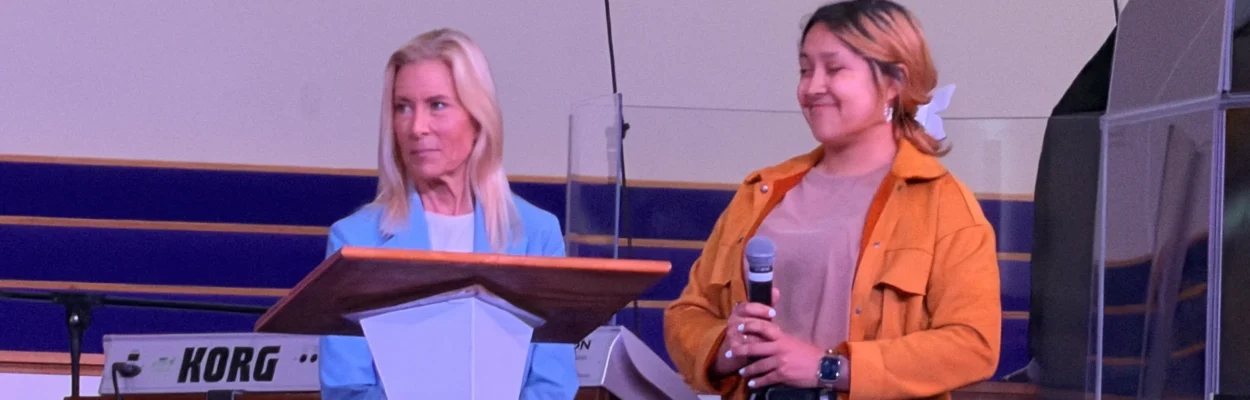
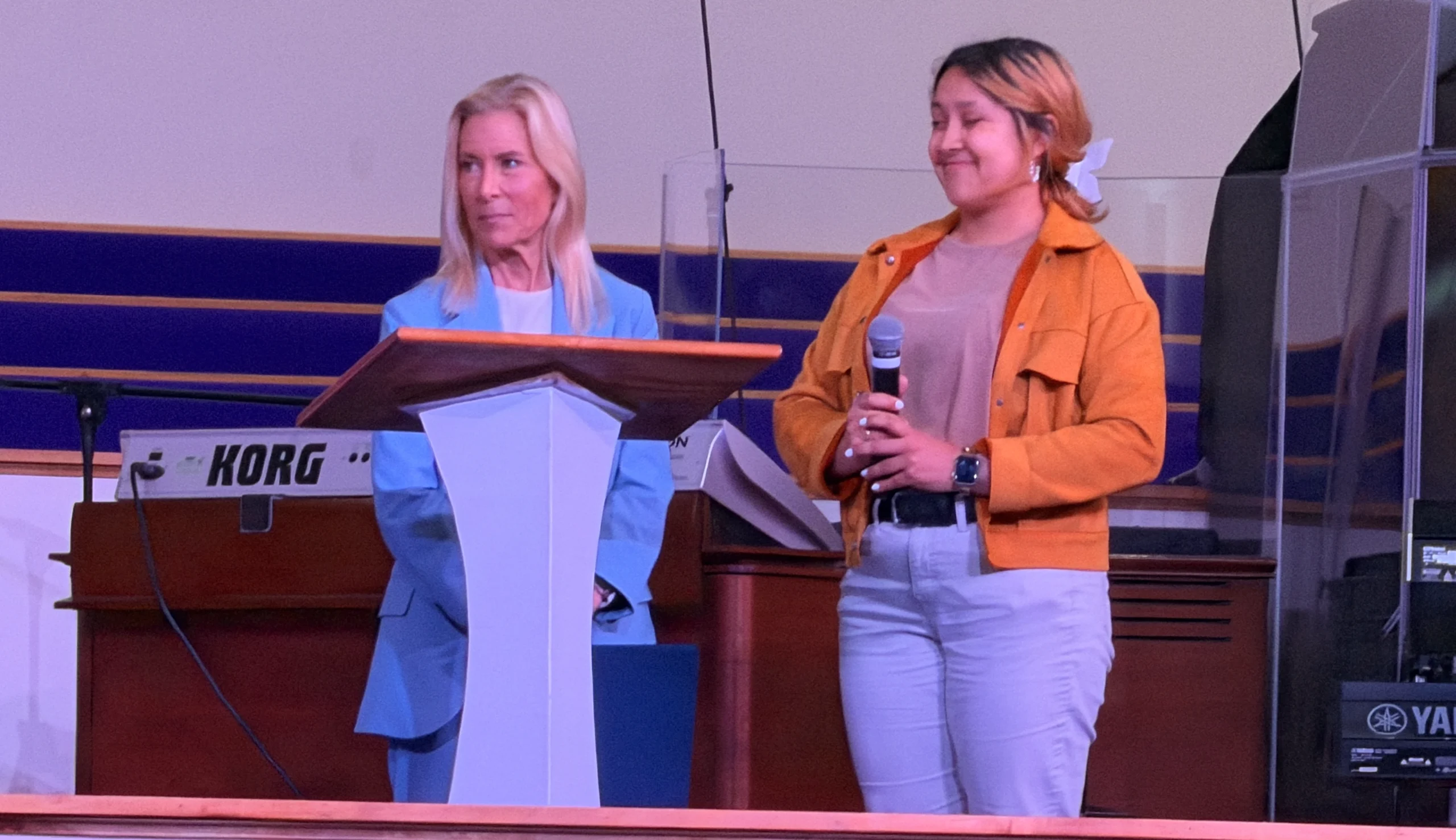
Jacksonville Mayor Donna Deegan takes questions at the ICARE Nehemiah Assembly on Monday, April 13, 2026. | Mike Mendenhall, Jacksonville Today
Published on April 14, 2026 at 3:54 pm
Free local news and info, in your inbox at 6 a.m. M-F. Sign up for the Jacksonville Today newsletter.
When Jacksonville Mayor Donna Deegan presents her proposed city budget to City Council in July, she says her administration will try again to insert funding for a permanent affordable housing trust fund.
During the Monday’s Nehemiah Assembly of the Interfaith Coalition for Action, Reconciliation and Empowerment — known as ICARE — Nehemiah Assembly, the mayor declined to commit to the group’s request to earmark $10 million from the city toward an affordable housing fund.
Jacksonville Today thanks our sponsors. Become one.
Deegan said the size of the proposal will depend on the city’s revenue levels coming into the 2026-27 budget year, and persuading City Council to keep the trust fund in the final budget — something it was not willing to do when the fund was first proposed in 2024.
“At the city, we have identified a home for affordable housing for an affordable housing trust fund,” Deegan said.
“Currently, we are evaluating existing funding sources to grow it. And we expect to seed it further in the next budget. I’ll know in the next couple of months how much we can seed it,” she said. “It’s my hope that we can invest in the levels ICARE is requesting. But I know that if I make a promise, like I said, I intend to keep it. So I want to make sure I can.”
Jacksonville Today thanks our sponsors. Become one.
A near standing-room-only crowd gathered the ICARE assembly at the Abyssinia Missionary Baptist Church on the city’s Northside to discuss what the coalition sees as a affordable housing crisis in Duval County.
Deegan said she expects revenue to be lower in the next fiscal year. Council voted to cut the city’s property tax millage rate last year, which will lead to $15 million in revenue loss. That’s coupled with deficits projected at current funding levels by the City Council Auditor’s Office over the next few years.
ICARE began meetings with the Deegan administration last year to discuss and plan new affordable housing initiatives.
The cooperation started in the wake of council’s Finance Committee cutting a $10 million affordable housing investment in 2024 from Deegan’s proposed budget. That fund program would have come with at $30 million match in private investment.
Deegan repeated a figure Monday that’s been cited by her administration: that the fund could have led to $120 million in housing projects.
ICARE testimony
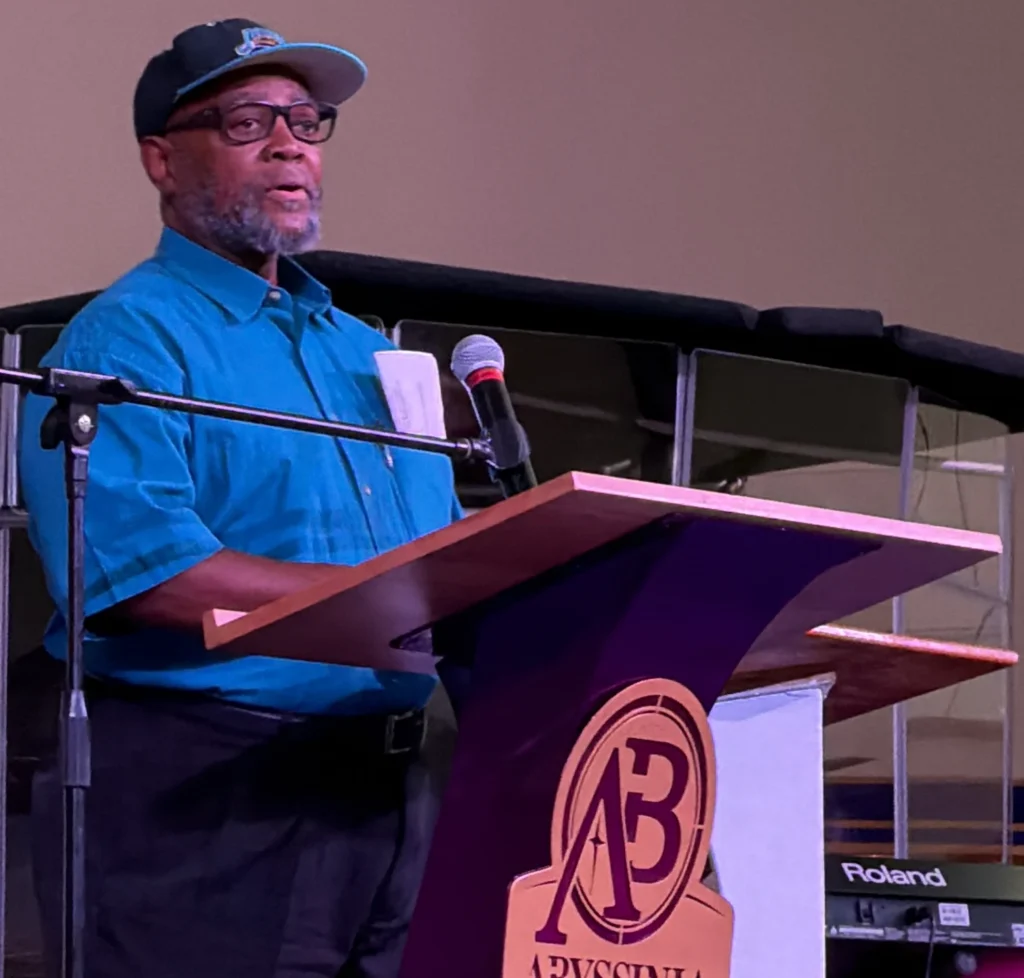
In addition to Deegan, ICARE had a housing industry expert and people seeking affordable housing speak about the $10 million proposal and the region’s housing needs.
Jessie Spradley, executive officer of the Northeast Florida Builders Association, said it’s both “altruistic” and a good business decision for contractors to take on affordable housing projects.
“Builders and construction companies want to build the greatest volume and variety of housing for as many people as possible. The fact is, the more customers we serve, the more business for our industry, the more people we employ and the better it is for Northeast Florida,” he said. “Unfortunately, we’ve seen prices go up dramatically due to rising interest rates, rising construction costs, and burdensome fees and regulations,” Spradley said.
In its market report released last week, the Northeast Florida Association of Realtors says the region’s median home price in March was $395,000, up 4% from a year before.
Spradley said, at that price, someone making 50% of the area median income — $71,277, according to the latest data from the U.S. Census Bureau — is spending more than 65% of their income on housing. In a healthy market, Spradley says, that should be 30% of a person’s income or below.
Spradley said improvements in the region’s affordable housing market will not happen without government investment.
“Without financial incentives, you cannot build enough housing for low-income families in Northeast Florida. If local governments can provide the support in financing, we can build more housing for more people,” he said. “We disagree with the misconception that building accessible housing will attract crime or make traffic around schools worse.”
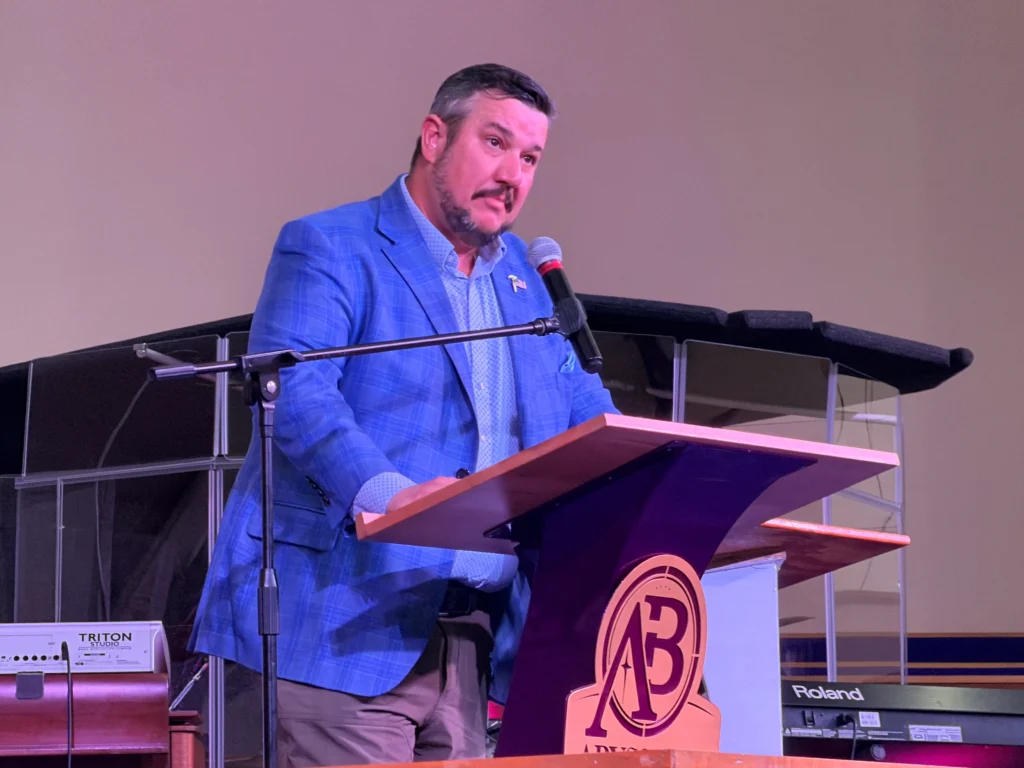
Warren King told the assembly after experiencing abuse at Florida’s Dozier School For Boys and spending almost 40 years incarcerated, finding an affordable place to live has been nearly impossible.
The 74-year-old says his income is less than $1,000 per month from Supplemental Security Income, which has led to his living with his sister and brother-in-law.
“My sister is my rock. I love my sister. She did so much to help me after experiencing what I have,” King said. “But what if it weren’t for her in my life? I’d be living in my car. Where would I live? Where would I shower? Where would I go?”
Trust fund background
City officials say 7,000 homes below the market rate have been built or announced since mid-2023. Deegan said Monday that 6,000 of those are what qualify as affordable or low-income units.
Last month, City Council approved the Deegan administration’s proposal to create a $2 million revolving fund using State Housing Initiative Partnership to build 10 owner-occupied affordable houses and provide the buyers down payment assistance.
But the Deegan administration and ICARE say Jacksonville still has a gap of 50,000 affordable housing units to fill.
In March, City Council voted 18-0 to authorize a $5 million, 20-year development loan to a subsidiary of housing developer Vestcor Inc. for the $56.5 million Campbell Cove mixed-income apartment projects.
The project is expected to bring 240 apartments to 11000 Beach Blvd.
At the time, council members praised the project as a way for the city to sustainably finance an affordable housing project and recoup that money from the developer over time.
Before the vote, council member Jimmy Peluso — who attended the ICARE assembly Monday — applauded the Campbell Cove project. But he reminded his fellow city lawmakers that supporting the trust fund would have yielded a larger return in dollars and number of affordable units.
“For an extra $5 million, we could have got access to $30 million in private funds to help make sure we are addressing the number one issue in our city,” Peluso said at the council meeting March 24. “Very happy for this bill. Very grateful for this bill. Two hundred and forty units — great. Still at the end of the day a drop in the bucket. And what we could have done with $40 million, we could have got thousands.”