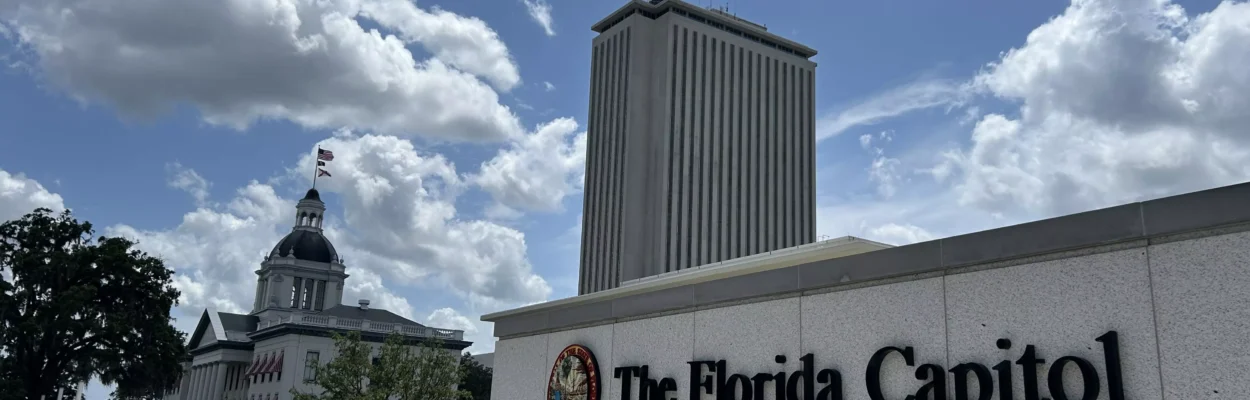
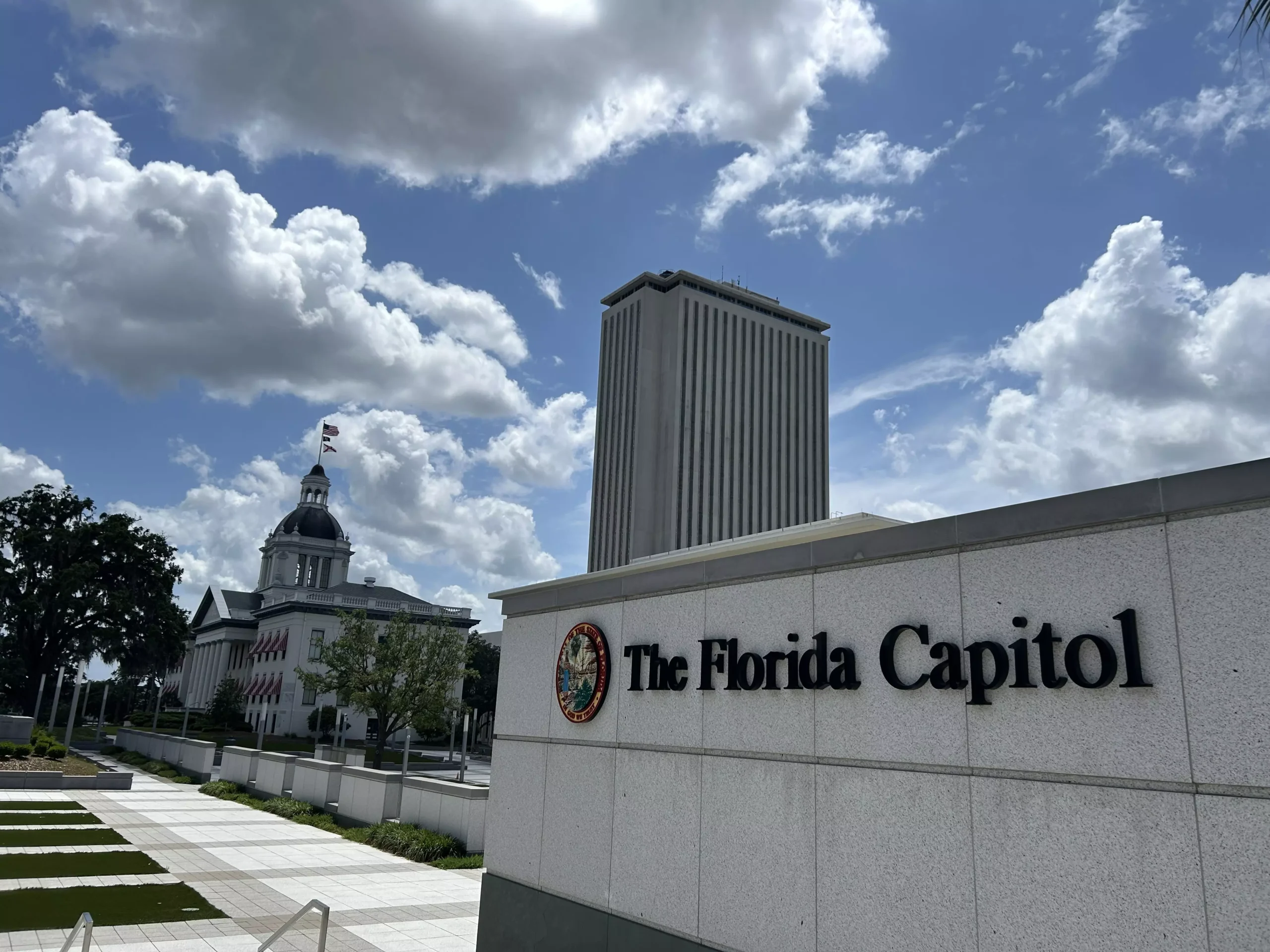
The Florida legislative session ended on Friday, but lawmakers are expected back in Tallahassee for special sessions on the budget, redistricting and property taxes.
Published on March 16, 2026 at 11:03 am
Free local news and info, in your inbox at 6 a.m. M-F. Sign up for the Jacksonville Today newsletter.
The 2026 Florida legislative session is over.
But lawmakers still have yet to fulfill their only constitutional responsibility: passing a budget.
House Speaker Daniel Perez and Senate President Ben Albritton say lawmakers will return for a budget-focused special session in mid-April.
Jacksonville Today thanks our sponsors. Become one.
There’s already a special session for potential redistricting set for late April. And lawmakers, who maintain they want to put a measure on the November ballot reducing the property tax, didn’t figure out a proposal by the end of session. That’s also expected to be figured out in a special session.
A property tax plan isn’t the only legislative priority that didn’t cross the finish line by Friday.
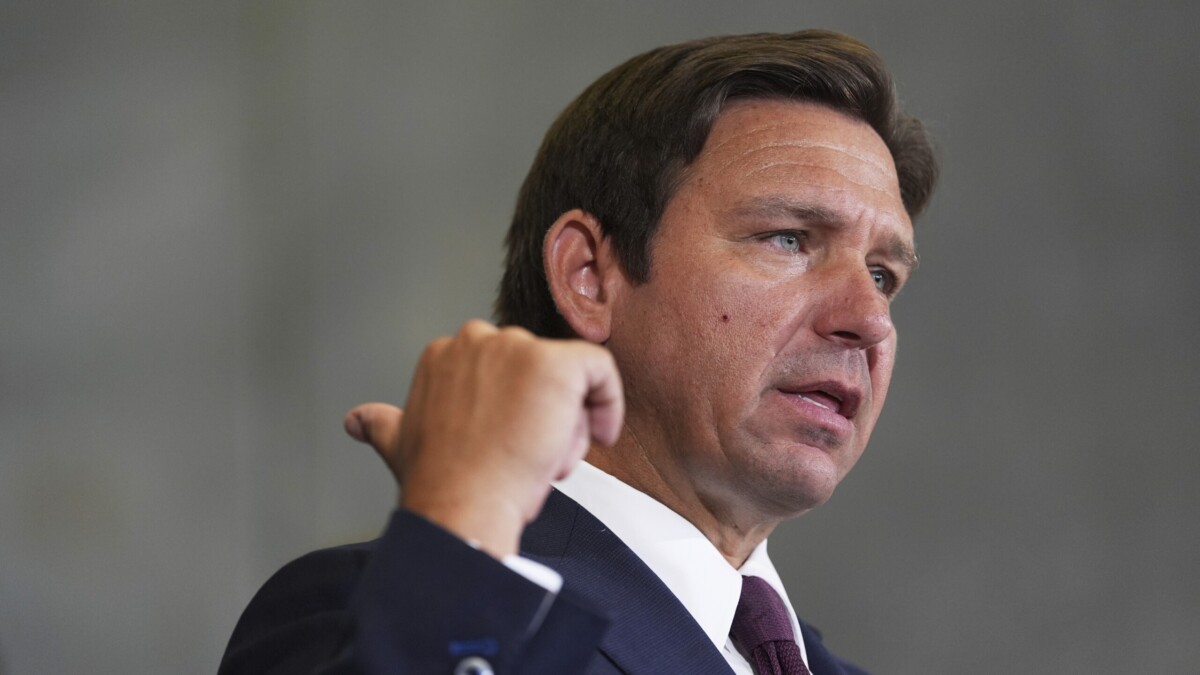
Niceville Republican Sen. Don Gaetz, a former Senate president, said the session went out with a “whimper.” But Albritton defended the process up to this point.
Jacksonville Today thanks our sponsors. Become one.
“Now we can really focus in on the budget,” he said, noting there’s “still plenty of time.”
The budget must be done by July 1 or the state enters into a partial government shutdown.
Meanwhile, Democrats are blasting the Republicans in charge: “This was too much talk and too little action,” said Florida House Democratic Leader Fentrice Driskell of Tampa.
Here’s a summary of some of the big bills that either failed or made it and are headed to Gov. Ron DeSantis’ desk.
What passed
The Legislature approved a bill prohibiting Florida cities and counties from funding, carrying out or even promoting diversity, equity and inclusion initiatives.
Local officials who violate the measure, SB 1134, could be removed from office, and local governments could face litigation from residents.
Republicans in support said taxpayers shouldn’t have to fund DEI programs that they argued weaken equal opportunity.
Democrats said the bill is overly broad and potentially unconstitutional, warning it could hurt tourism and business profits tied to diversity-related events and undermine efforts to address social disparities.
- Florida Farm Bill
Lawmakers approved this year’s so-called “Florida Farm Bill,” which includes the state Agriculture Department’s priorities.
The sweeping legislation, SB 290, includes parts that bar local governments from restricting gasoline-powered lawn equipment and limits door-to-door commercial solicitation — sellers face penalties if they approach despite a “no commercial solicitation” sign.
It also allows certain conservation lands to be surplussed for agricultural use while requiring protections supporters say will limit development — though some environmentalists still worry about conservation land loss and potential agricultural environmental impacts — and a veterinarian loan repayment program.
It didn’t include a controversial provision that would’ve broadened Florida’s food disparagement law, often called a “veggie libel” law.
Supporters said that would’ve protected farmers against false and malicious claims that harm their businesses. But opponents worried big agricultural businesses could use it to take critics to court and chill speech.
- Data centers
Another passed bill, SB 484, involves data centers, which are buildings with a lot of computers that store and process data for the internet and services like artificial intelligence.
The bill is aimed at ensuring residents don’t pay more for utilities because of the centers, which use a large amount of resources. But late in the legislative process, lawmakers dropped a provision that would have restricted nondisclosure agreements between governments and data center companies.
- Terrorism groups
Lawmakers also approved a bill, HB 1471, creating a state process to designate certain groups as domestic terrorist organizations.
Supporters say it’s about public safety, but critics accuse the bill of being unconstitutional and worry it’ll be used against groups the state disagrees with.
The bill would permit Florida’s chief of domestic security to recommend that a group be designated a domestic terrorist organization. That role is filled by someone appointed by the governor or a designee.
The recommendation would then need approval from the Florida Cabinet and could be challenged.
If the designation is upheld, there are consequences.
Groups could lose access to public funding and face limits on activities connected to public colleges and universities.
Students at public colleges or universities could be expelled for “promoting” such organizations, and people who “knowingly provide material support” could face potential criminal liability.
- Governor’s emergency fund
Lawmakers agreed to renew the governor’s emergency spending fund — but with guardrails.
The measure, SB 7040, would give legislative leaders more oversight and objection power over spending.
The governor’s administration would also have to send quarterly reports about spending to legislative leaders. That money couldn’t be used for aircraft, boats or motor vehicles — though the short-term lease of them would be allowable.
DeSantis spent billions of dollars from the fund over several years. Hundreds of millions of dollars have gone toward immigration enforcement, including the “Alligator Alcatraz” detention center.
- Union bill
Public union representatives warn one passed bill, SB 1296, would undermine their organizations.
It requires such unions to have stronger support to stay certified. Votes would still need majority support, but at least half of the employees represented by the union would also have to participate in elections.
Opponents say it’s an attempt to kill unions, especially teachers unions.
Another part of the legislation would limit when public employees can be paid while performing union activities, including advocacy and lobbying.
Those new rules don’t apply to public safety workers like police, which created even more debate through the legislative process.
- Head coach student spending
Another bill, SB 178, allows high school head coaches to use up to $15,000 annually of their own money to help players pay for things like food, transportation, physical therapy and rehabilitation services. This is limited to one purchase or benefit per student-athlete.
It’s called the “Bridgewater Act,” named after an NFL quarterback who was suspended from a high school coaching position after paying for things like student meals, rides and physical therapy.
It’s not the only bill that passed affecting high school coaches: SB 538 allows booster clubs to give coaches additional compensation not exceeding the highest-paid administrator of the district.
While some worried about the school districts that wouldn’t be able to raise as much money as bigger, wealthier ones, bill sponsor Rep. Adam Anderson, R-Palm Harbor, said the stipend of a few thousand dollars coaches get isn’t enough for how many hours they spend with students — which he said is evidenced by coaches leaving for higher-paying jobs in Georgia.
This also applies to the advisers of other extracurricular activities like debate teams and theater productions.
- Nitrous oxide restrictions
Another bill heading DeSantis’ way bans the sale of nitrous oxide, or laughing gas, from smoke shops and gas stations.
The legislation, SB 432, is known as “Meg’s Law,” for a woman who died outside of an Orlando smoke shop due to nitrous oxide use.
Selling nitrous oxide so people can get high is a crime. But it’s commonly sold by such establishments in brightly colored canisters with catchy names and flavors ranging from blue raspberry to cotton candy.
- Citizen verification
Lawmakers passed legislation, HB 991, that would change how voters prove their U.S. citizenship to vote.
Starting next year, the bill would require the state to verify voters’ citizenship using driver’s licenses and in some cases other government records like birth certificates and passports.
Another section would eliminate student and retirement home IDs as acceptable forms of identification at polling places.
Democrats worry the measure will disenfranchise those who don’t possess or have easy access to such identification. They also worry about the effects of name and address changes.
Republicans say it’s needed to strengthen election integrity. Federal and state law already prohibit noncitizens from voting.
Another provision, taking effect upon DeSantis’ signature creates an expedited court process for candidates or political parties to challenge another candidate’s qualifications for running.
- Cursive requirements, presidential portraits in schools
Another measure, SB 182, requires every public school to place portraits of Presidents George Washington and Abraham Lincoln in a “conspicuous place.”
It also mandates public elementary school cursive instruction starting in the third grade. Students must “demonstrate proficiency” by the end of fifth grade.
While Florida already includes some cursive instruction starting in the third grade, it’s not set in state law — and the state doesn’t require a test for it. Supporters say current standards don’t go far enough.
- School safety
The Legislature also passed a sweeping school safety package, HB 757.
Part of it allows public colleges and universities to appoint trained faculty and employees to carry firearms for protection purposes. Sheriff’s offices would have to help institutions that choose to participate in setting up “guardian” programs and provide training.
Guardian programs already exist in public K-12 schools.
Public colleges and universities would also have to create plans for active assailant response and family reunification following an emergency.
The measure also mandates faculty training to help detect and respond to mental health issues and requires annual security risk assessments.
Those and other safety provisions in the bill come following last year’s deadly shooting at Florida State University.
What failed
- Making UTVs street legal
Legislation, SB 356/HB 101, that would have made side-by-side utility terrain vehicles legal on some public roads stalled out.
The bill would have applied to two-lane county roads and two-lane municipal streets with posted speed limits under 55 mph. They could be driven at all hours by someone with a license.
It was postponed in the Senate committee process due to safety concerns.
- Lowering gun-buying age
For multiple years, the House has passed a bill, HB 133, lowering the age to buy rifles to 18 years old, but the Senate has rejected it.
Lawmakers raised the age from 18 to 21 years old following the 2018 massacre at Parkland’s Marjory Stoneman Douglas High School.
- Expanding E-Verify
Florida law only requires companies with 25 or more employees use E-Verify, a federal online platform that employers use to check worker eligibility.
House lawmakers passed legislation, HB 197, that would’ve expanded that to all businesses.
Like last year, the measure died in the Senate.
- Fetus wrongful death
The House OK’d a measure, HB 289, allowing parents to file wrongful death lawsuits over the loss of a fetus.
The bill said wrongful death actions can’t be brought against a mother. It also says the same for medical providers for “lawful medical care provided in compliance with the applicable standard of care,” including related to “assisted reproductive technologies.”
But concerns such as excessive litigation dogged the bill, especially on the Senate side. Similar legislation has failed in the past.
Democrats viewed it as an extension of debates over abortion.
- Rural Renaissance
One of Albritton’s big priorities during his two-year term in leadership has been his “Rural Renaissance” package, which would provide funding and support to rural counties.
It’s been one of the chess pieces in the negotiations between the chambers the last two sessions — and one the House has twice swept off the board.
It included a couple of hundred million dollars for things like roads, affordable housing and boosting health care.
But there’s still a chance some of its funding components end up in the yet-to-be-complete budget.
- Voucher oversight
The Senate passed an overhaul of the state’s school voucher system that the House never picked up.
Conservative lawmakers have dramatically expanded that system in recent years, diverting billions of public education dollars annually to students’ private schooling and homeschooling.
A state audit from last school year saw a “myriad of accountability challenges that left a statewide funding shortfall and a system where funding did not follow the child.”
The sprawling measure, nearly 150 pages in all, addressed what senators said are multiple weaknesses in the system, including stricter student tracking standards and annual audits of voucher programs.
Technically, some changes could be made in the budget, though lawmakers are usually averse. Gaetz, the bill’s sponsor, told the Florida Phoenix “that’s all up to the speaker or the president,” referring to Perez and Albritton.
- Reining in HOAs
The House passed legislation aimed at reforming how homeowners associations work in Florida.
The bill, HB 657, would’ve created a process for homeowners to dissolve an association and allowed circuit courts to set up “community association court programs” to settle disputes.
It also would’ve increased transparency requirements and penalties for board members who break rules.
Much of the bill would have also applied to condo associations.
Community association advocates have emphasized they provide important services to homeowners. Bill supporters said the associations have too much power and that some have abused it.
- Democrats’ affordability agenda
Democrats had an affordability agenda going into this session. But they also have a superminority in the Legislature, which greatly limits their ability to get bills through the process.
Democratic priorities that failed include creating a multistate disaster insurance pool to help reduce property insurance premiums, expanding the lifespan of affordable rental units and eliminating documentary stamp taxes for some first-time homebuyers.
Senate Democratic Leader Lori Berman of Delray Beach said in a postsession statement that the agenda was “completely ignored” by Republicans.
“As we go home until we can solve the budget impasse, I hope that my colleagues will join me in working towards creative budgetary solutions to Florida’s affordability crisis,” she said. “It’s not too late to continue the fight for a more affordable Florida.”
If you have any questions about state government or the legislative process, you can ask the Your Florida team by clicking here.
This story was produced by WUSF as part of a statewide journalism initiative funded by the Corporation for Public Broadcasting.
Copyright © 2026 WUSF 89.7