
Published on February 23, 2026 at 10:10 pm
BLACKSONVILLE 100 | Writers, musicians, visual creators and entertainers who brought the African American experience to life or left a lasting mark on the world through their art.
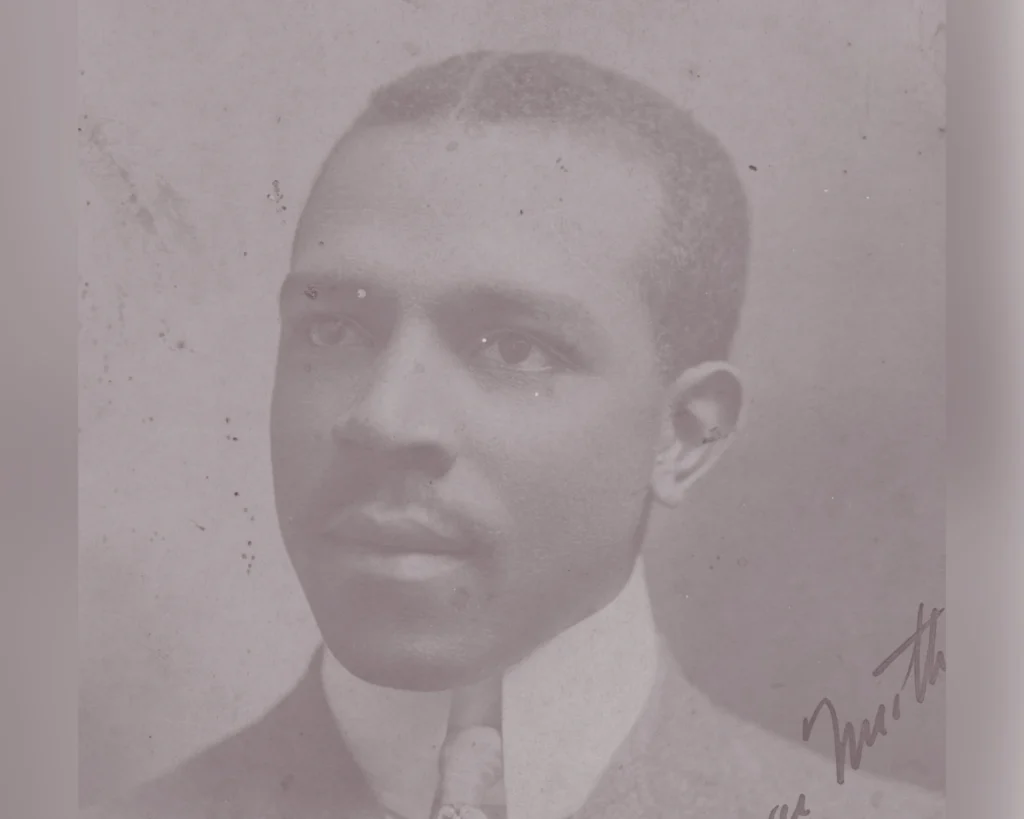
John Rosamond Johnson (1873-1954)
Composer | Jacksonville native John Rosamond Johnson is most famous for composing the music to what would be known as the Black National Anthem, “Lift Ev’ry Voice and Sing,” in 1900 while on the faculty of the Stanton School in LaVilla. (His brother James Weldon Johnson penned the lyrics, originally as a poem.) Johnson studied music at the New England Conservatory and in London. According to Library of Congress archives, his compositions were the soundtrack to Vaudeville performances. Johnson performed as a pianist at New York City’s Carnegie Hall in May 1912. Following his World War I service, Johnson continued to work as a composer. He also had a part in the original production of Porgy and Bess in 1935.
Jacksonville Today thanks our sponsors. Become one.
(Photo courtesy: University of North Florida, Eartha M. M. White Collection)
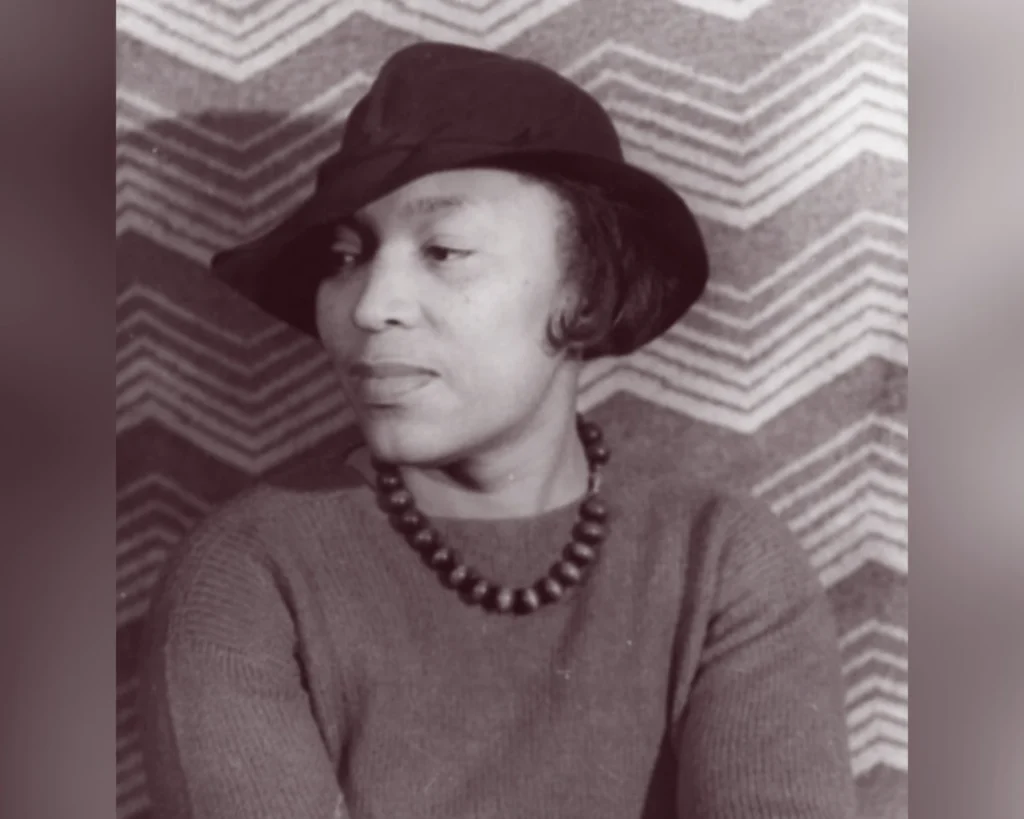
Zora Neale Hurston
Author | Best known for her novel Their Eyes Were Watching God, Alabama native Zora Neale Hurston moved to Jacksonville from Eatonville, Florida, after her parents died. She lived with her brother and his wife on Evergreen Street on the Eastside. Later, Hurston enrolled at Howard University and was the founder of its student newspaper The Hilltop in 1924. After returning to Jacksonville, Hurston worked for the federal Works Progress Administration’s Federal Writers Project in 1938 and 1939, documenting the stories, songs, traditions and histories of African-Americans in small communities across Florida. Hurston briefly taught at Florida Normal College in St. Augustine in 1942 and lived at 791 King St. She finished her autobiography Dust Tracks on a Road while living in St. Augustine. Hurston died in January 1960 at age 69.
(Photo: Library of Congress)
May Lofton Kennedy
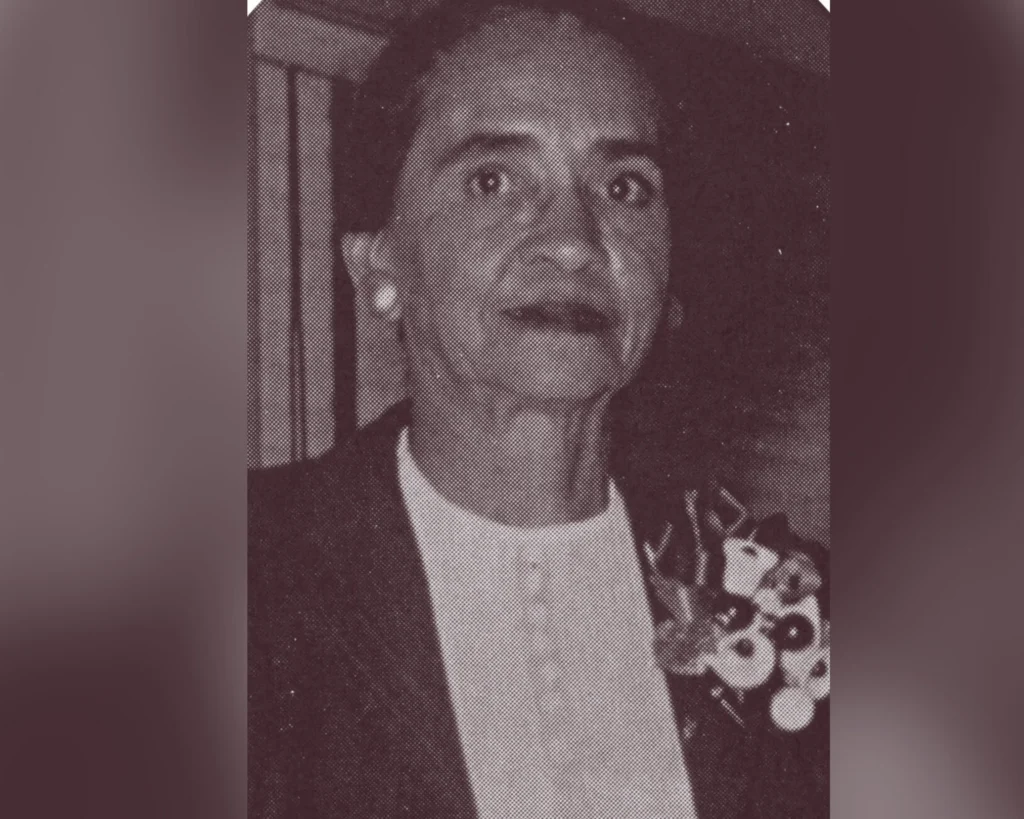
Librarian, educator | The granddaughter of a prominent landowner in Mandarin, May Lofton Kennedy was born in approximately 1890. Between 1915 and 1918, she served as the first Black librarian in Jacksonville. She worked in the colored section of the Jacksonville Free Public Library, which at that time was in the basement. In 1918 she became the first Black person to serve in the Library of Congress in Washington, D.C. She also taught English at Oakland Elementary on Jacksonville’s Eastside as well as Excelsior High School in St. Augustine.
(Photo courtesy: Jacksonville Public Library, Black History Month Calendar)
Sylvester M. Wells (1937-2023)
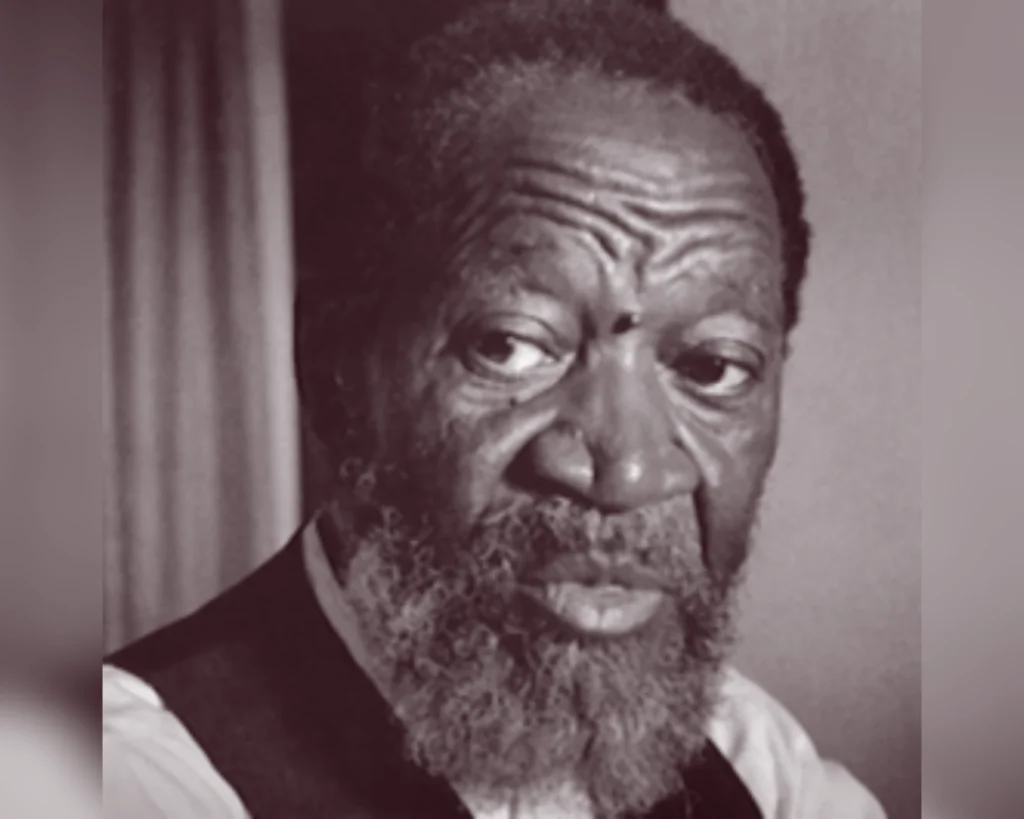
Artist | Jacksonville native Sylvester M. Wells was one of the “Florida Highwaymen,” artists who painted landscapes of Florida’s natural landscapes and sold them from their cars alongside the state’s highways. “I’ve been doing this since I was 6 years old…drawing little round things in circles,” Wells said in an interview. “I kept it up over the years. I would paint, draw you pictures, sit down and draw a sketch. I wasn’t trying to make no money or anything.” After high school, Wells joined the Army. While stationed in France in the 1950s, he took drawing more seriously to pass the time. He emulated a color picture of a young woman and never put the paintbrush down. Wells supplemented his Army salary through painting portraits for his colleagues. He settled in Cocoa, Florida, after his service. There in 1965, he met Alfred Hair , who connected him with other “Highwaymen.” Wells later moved to Tennessee and was a minister for decades. He was inducted into the Florida Artists Hall of Fame in 2004.
(Photo: TheFloridaHighwaymen.com)
Longineu Parsons II
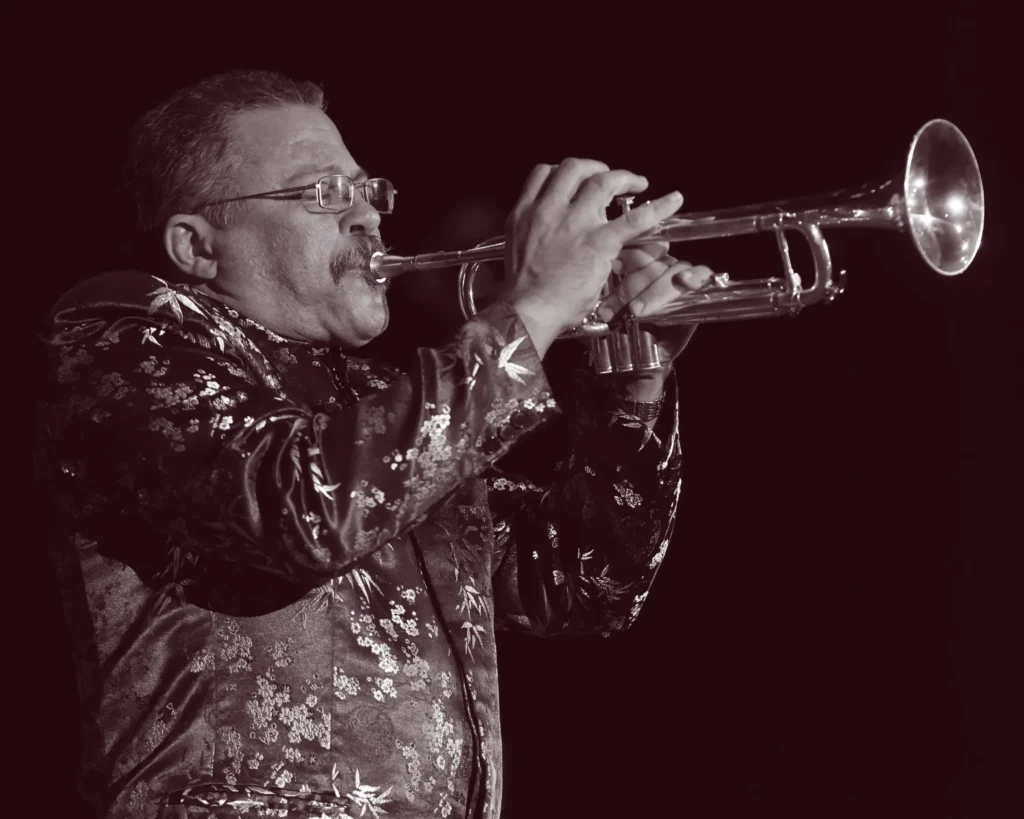
Musician, educator | Jazz musician and composer Longineu Parsons II is one of the premier trumpet players in the world. A Jacksonville native, Parsons has performed in more than 30 countries and collaborated with jazz legends Cab Calloway and Branford Marsalis. Parsons earned a bachelor’s degree from Florida A&M University and master’s and doctorate degrees from the University of Florida. He is a trumpet professor and director of composition at Florida A&M. Parsons is also the grandson of May Lofton Kennedy.
(Photo: Dominick Totino)
Ray Charles (1930-2004)
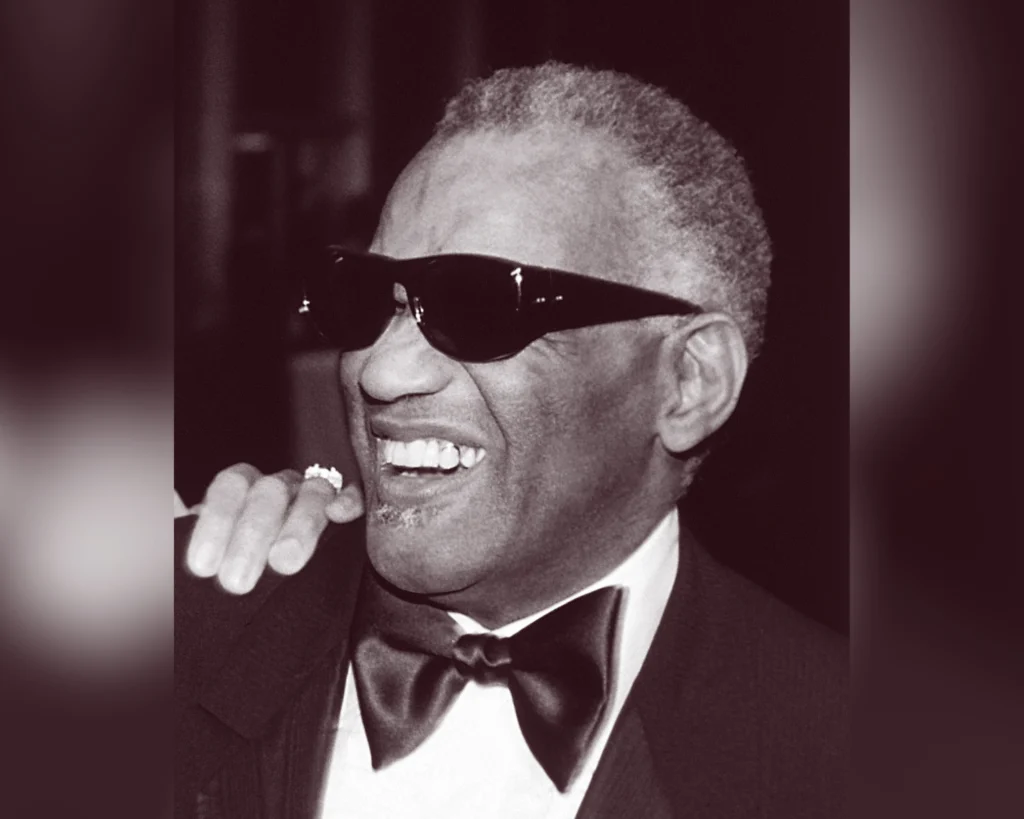
Musician | Ray Charles Robinson was born in Albany, Ga. and studied at the Florida School for the Deaf and the Blind in St. Augustine between 1937 and 1945. Charles left St. Augustine after his mother died and moved to Jacksonville to pursue a music career. According to The Jaxson, Charles joined the American Federation of Musicians Local 632 In 1945. The Union Hall was located on the third floor of the Clara White Mission in LaVilla. Over Charles’ career, he sold 10 million albums as a soul artist who infused jazz, blues, gospel and other genres into his music. He earned a dozen Grammy Awards in his lifetime. The National Academy of Recording Arts and Sciences awarded Charles a Lifetime Achievement Award in 1987.
(Photo: Associated Press)
Augusta Savage (1892-1962)
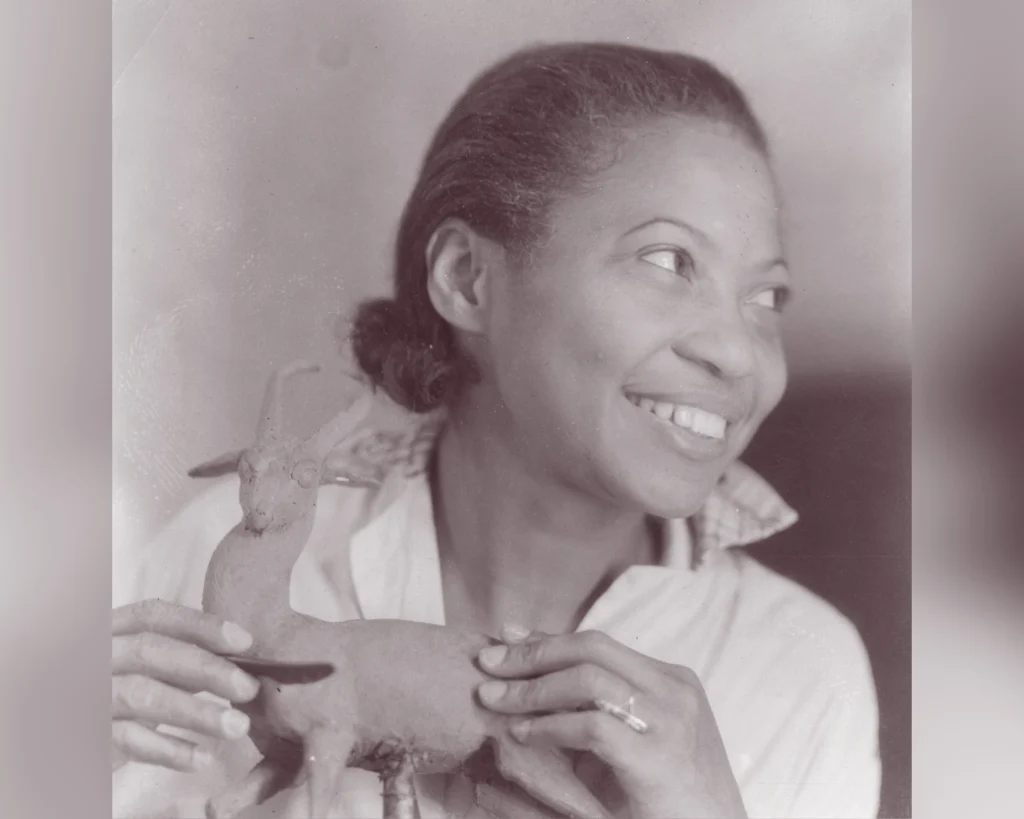
Artist | Augusta Savage was born Augusta Fells in Green Cove Springs, the seventh of 14 children. Though Savage’s parents resisted her becoming a professional artist, she persisted. She sold her first sculptures in Jacksonville between 1920 and 1921 before moving to New York City’s Harlem. Her home became a hub of the Harlem Renaissance. In 1929, she studied in Paris. She started the Harlem Artists’ Guild in 1935 in order to provide opportunities for other Black artists and founded the Harlem Community Arts Center in 1937. She also created the Salon of Contemporary Negro Art, the first Black art gallery in the U.S. Savage was the only African American who was commissioned to create an exhibit for the 1939 World’s Fair in New York. Her theme for the exhibit was “Lift Ev’ry Voice and Sing.” Her home in Saugerties, New York, was added to the National Register of Historic Places in 2001.
(Photo: National Archives)
T. Thomas Fortune (1856-1928)
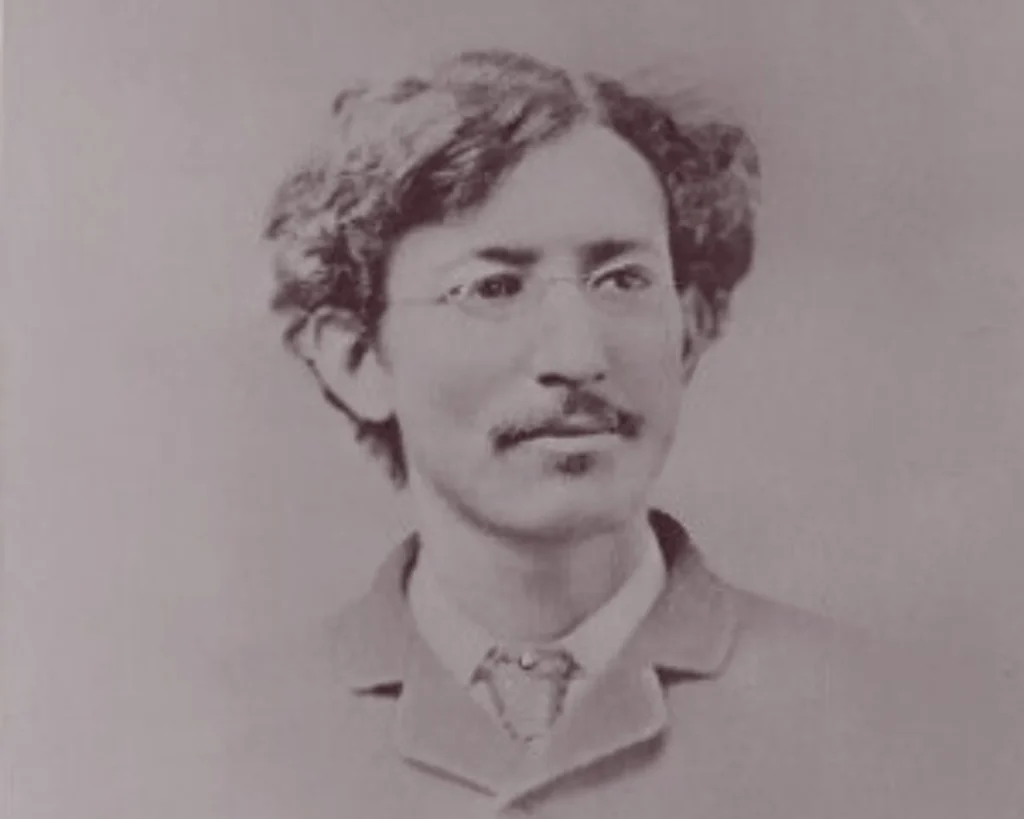
Journalist | Timothy Thomas Fortune was born enslaved in Marianna, Florida. Despite being the child of a member of the Florida House of Representatives, his family was forced by white supremacists to flee their Jackson County home. The Fortune family found refuge in Jacksonville, where he graduated from the Stanton School. He married a woman from Jacksonville, Carrie Smiley; served as a page in the Florida Senate and briefly worked at The Florida Times-Union before moving to New York City in 1879. The skills Fortune learned in Jacksonville allowed him to work at multiple New York newspapers. Fortune became the editor of The New York Age, a leading newspaper for Black people of the late 19th and early 20th centuries. From his editorial perch, Fortune vociferously denounced white supremacy. He was a champion of using the phrase “Afro-American” to describe Black people. His reasoning was the transatlantic slave trade stole Africans and placed them in the Americas. Fortune’s writing frequently called out systems that subjugated Black Americans and the lack of legal consequences for those who upheld Jim Crow laws through extrajudicial practices. Fortune’s home in Red Bank, New Jersey, has been converted into the T. Thomas Fortune Cultural Center. The organization upholds Fortune’s fight for social justice and civil rights through education, arts programming and community outreach.
(Photo: T. Thomas Fortune Cultural Center)
E.L. Weems (1901-1983)
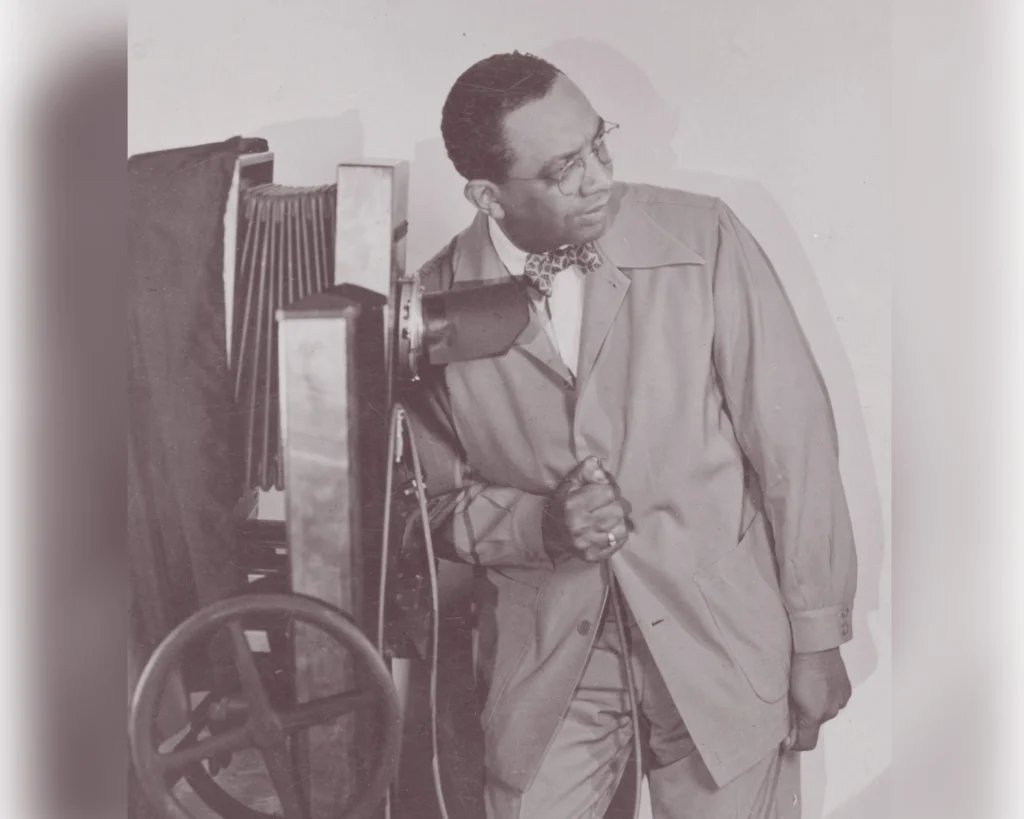
Photographer | McDonough, Ga., native E.L. Weems moved to Jacksonville in 1929 and opened a photography studio in LaVilla. He later moved to a studio on Beaver Street. Weems was the photographer for Black Jacksonville. His specialty were family portraits inside his studio. He also served as the photographer for Stanton High School for decades. His photos captured dignity and pride in the analog era.
(Self-portrait; University of North Florida Eartha M. M. White Collection)
Viola B. Muse (1898-1981)
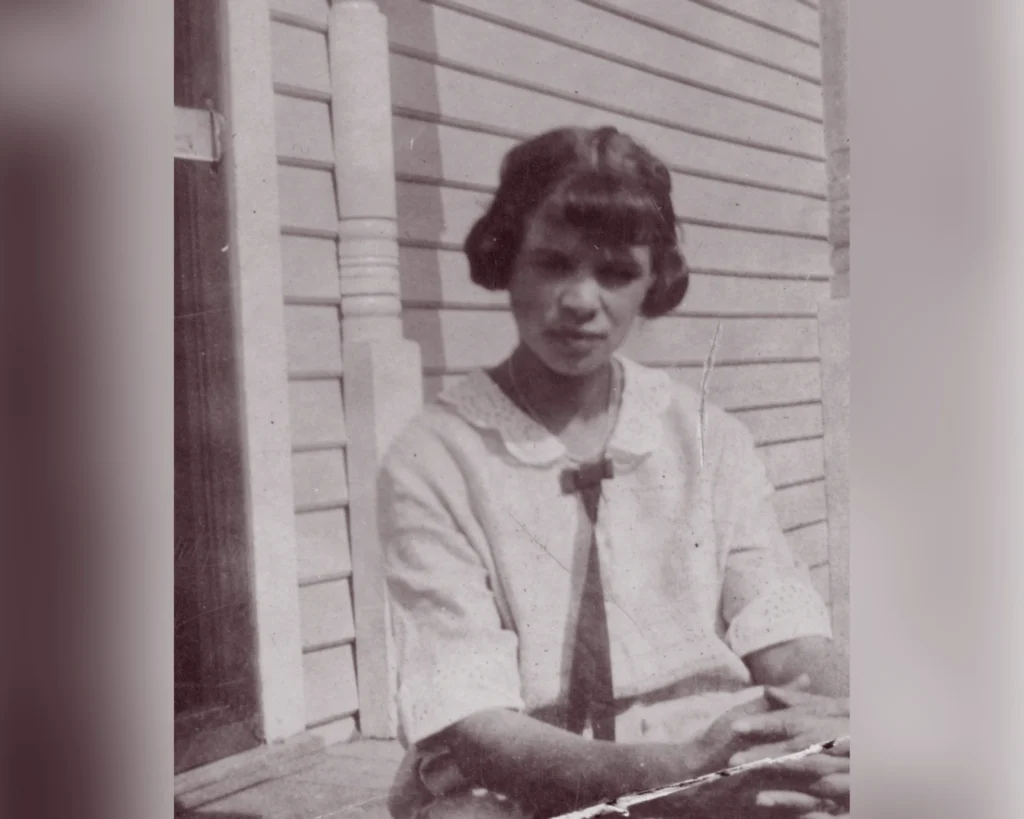
Archivist, entrepreneur | At the height of The Great Depression, Viola B. Muse served as an interviewer and writer for the Negro Writers Unit within the Federal Writers Project. Muse was born Viola Walker in Alabama in 1898. She moved to Jacksonville in 1920 after a spell as supervisor of instruction for the Vole Hair and Beauty Culture College. She then operated the Vylo-Vole Beauty Culture College on Broad Street inside the historic Masonic Temple. In 1922, she married attorney John Muse, whose offices were also within the Masonic Temple. Later in life, Muse operated a private kindergarten from her home in Durkeeville.
(Photo: University of North Florida and The Ritz Theatre)
This entry is part of Jacksonville Today’s BLACKSONVILLE 100, a list of influential people with ties to Jacksonville, compiled on the centennial of Negro History Week. See the whole list.