Published on June 7, 2026 at 12:00 pm
Jacksonville Today seeks to include a diverse set of perspectives that add context or unique insight to the news of the day. Regular opinion columnists are independent contractors who are not involved in news decisions. Want to submit your own column on a matter of public interest? Email pitches to jessica@jaxtoday.org.
Local government isn’t perfect. But starving the beast won’t help.
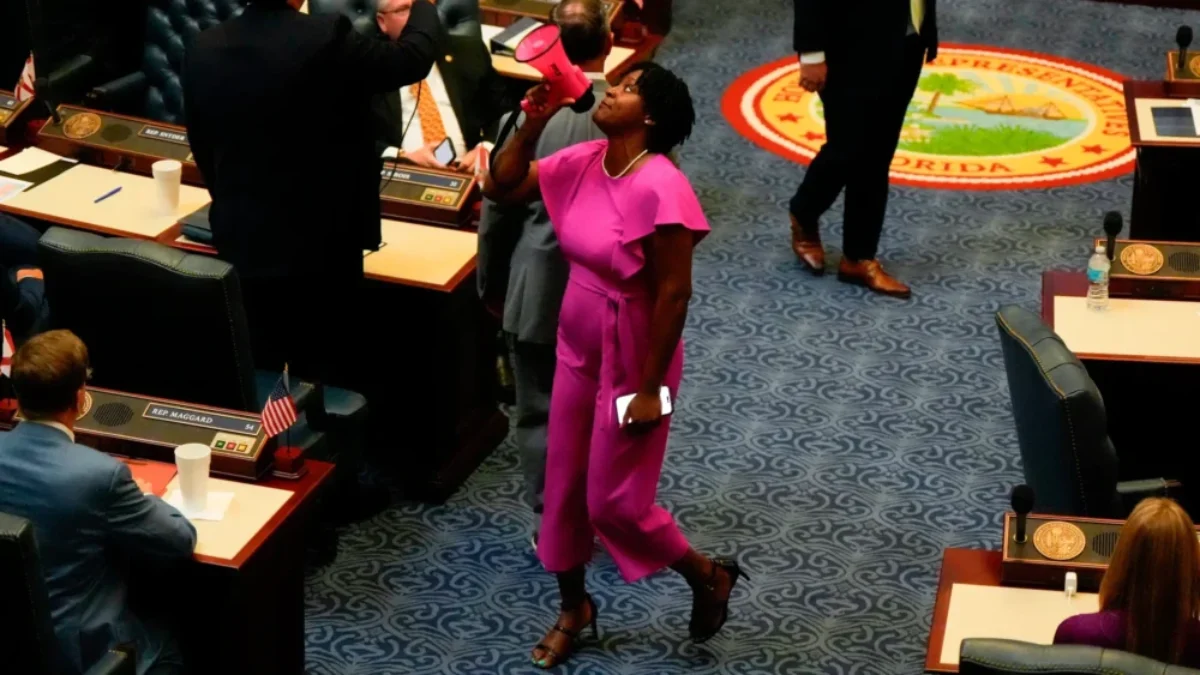
Gov. Ron DeSantis has been on a hot streak through this year’s special sessions, and the capstone of that was last week, when supermajorities in the Senate and the House passed an initiative to increase the homestead tax exemption to $250,000 by 2028 pending approval by at least 60% of voters in November.
Jacksonville Today thanks our sponsors. Become one.
Some exceptions apply, of course. School district funding was carved out, meaning that in a place like Duval County, it could get a lot easier to make fiscal decisions if you’re at Duval Schools’ HQ on the Southbank than if you’re in the St. James Building, City Hall.
It’s hard to know how that vote will go. As proponents of legalized cannabis and reproductive rights can tell you, 60% is tough to get in November. And what incentive do renters who live check-to-check have to support it?
But rest assured the governor and various political allies won’t have to make any of the tough calls in the next budget, specifically regarding the uncertainty of what the City Council auditor says would be a $300 million hole in the Duval County budget.

Jacksonville Today thanks our sponsors. Become one.
Sure, cronyism abounds in City Hall. But there aren’t that many people to fire.
Mayor Deegan told Jacksonville Today’s Mike Mendenhall that the city already has a “bare-bones budget” that barely covers public safety.
Indeed, half of the city’s $2 billion-plus budget goes to the Jacksonville Sheriff’s Office and the Fire and Rescue Department.
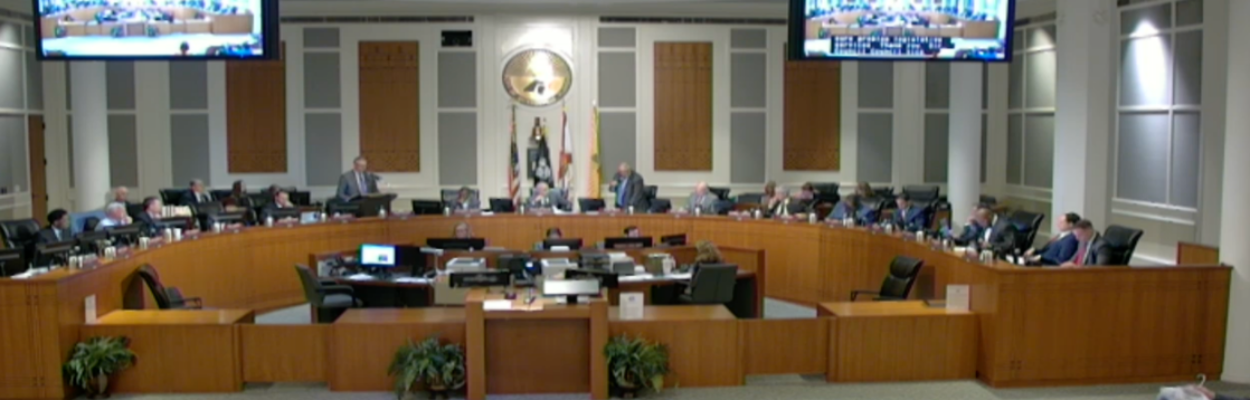
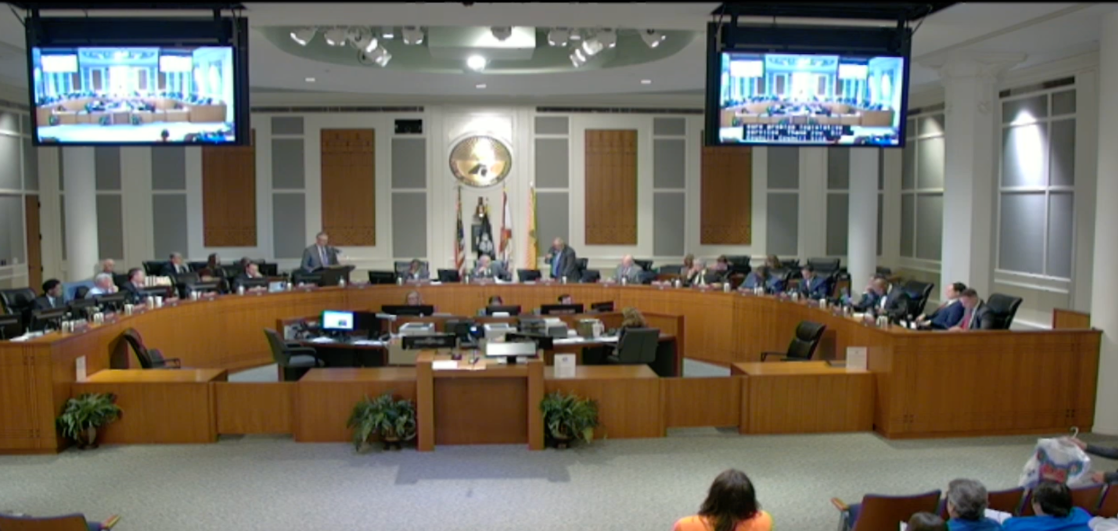
During the last budget night back in September, the big fights were on the margins: almost $730,000 for health care clinics, a couple million for affordable housing, and council member Rory Diamond’s proposal to stop city funding for abortions and related services, diversity, equity and inclusion initiatives, and undocumented immigrants.
There was no specific line item related to that last one, but that didn’t stop lawmakers from debating it through the night until the morning news shows started.
Legislators didn’t bother debating the roughly $5 billion in pension debt between the old police and fire plan ($3 billion in debt as of January 2026, according to the Florida Retirement System) and the general employees retirement fund ($1.7 billion in debt, per records from the city of Jacksonville).
Indeed, the big move legislators made regarding pension debt was to delay putting sales tax money on the obligation for five years so the city could finance stadium renovations.
In other words, it is arguable that the city’s fiscal management is open to question.
But at least the people making the decisions were elected locally.
Property tax collections will be drastically cut if the state amendment passes. And so will what can actually be subsidized: public safety, infrastructure, schools, debt service and pensions, constitutional officers and city council in Duval County.
Meanwhile, if the numbers don’t work out to cover all of that, local legislators can boost assessments and fees – which is something that has happened at various times, including the garbage fee recently, without political consequences.
Privatizing services is also an option, albeit one with unintended consequences. Could failure to pay bills lead to liens on houses?
And locals can also appeal to Tallahassee to backfill funds via the legislative appropriations process.
Stop laughing, neighbors.
This works out for you if you have a lawmaker who plays ball with the governor’s office and legislative leadership, and if you have a mayor and city council who also are on the right side of the folks in the Capitol.
But when it comes to making decisions about what local priorities are, your local representation much more than now, will be going to the Senate president, the House speaker, and the budget chairs and singing for their – and your – supper.
The property tax proposal that passed was watered down some from what the governor wanted. He wanted to strip homestead funding from school budgets, and he also envisioned a redistributionist “trust fund” that would allow money to be sent to Tallahassee by one group of cities and doled out to others based on Tallahassee’s discretion.
But even with those ameliorations, the situation is grave for local governments.
Expect to see state resources used to sell the referendum. It remains to be seen how pushback will manifest.
It’s easy to sit on the sidelines and say, “Starve the beast.”
But when you embrace austerity budgeting as a perpetual way of life, you have no margin of error. Issues ranging from potholes and sinkholes to cracked-up sidewalks will become harder to rectify.
We’ve seen that approach to government before. Former Mayor Jake Godbold used to complain about how Hans Tanzler, his predecessor, spent nothing on infrastructure. To be what he called a “powerful mayor,” he needed to invest in the city.
Without Godbold, we wouldn’t have what we have today.
The referendum presents itself as a small-government solution, but what it really seeks to do is put the local government into a functional receivership. The state will decide based on subjective criteria, and the old concept of “home rule” hurtles evermore toward obsolescence.