

Published on February 20, 2026 at 11:14 am
BLACKSONVILLE 100 | Educators who pursued scholarship, expected excellence from their students, as well as advocates who opened doors for others to be taught.
Johnnetta Betsch Cole
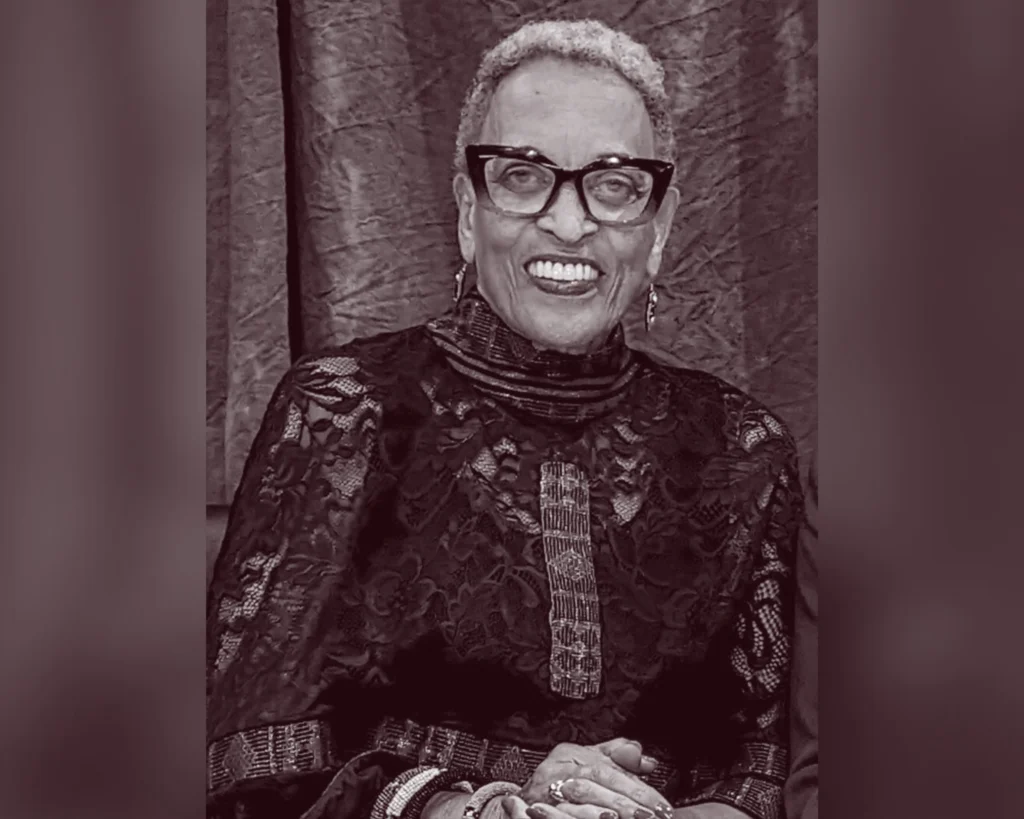
Higher education, arts | Jacksonville native Johnnetta Betsch Cole, born in 1936, was the first Black woman to serve as president of Spelman College, in 1987. Alongside her studies as an anthropologist, she created the Black Studies Program at Washington State University in 1964 and was named Washington State’s Outstanding Faculty Member of the Year in 1970. After her long career in higher education, Cole served as the Director of the Smithsonian National Museum of African Art between 2009 and 2017 and was awarded the National Humanities Medal in 2021. The White House said at the time: “Johnnetta Betsch Cole’s pioneering work about the on-going contributions of Afro-Latin, Caribbean, and African communities have advanced American understanding of Black culture and the necessity and power of racial inclusion in our Nation.”
Jacksonville Today thanks our sponsors. Become one.
(Photo: Will Brown, Jacksonville Today)
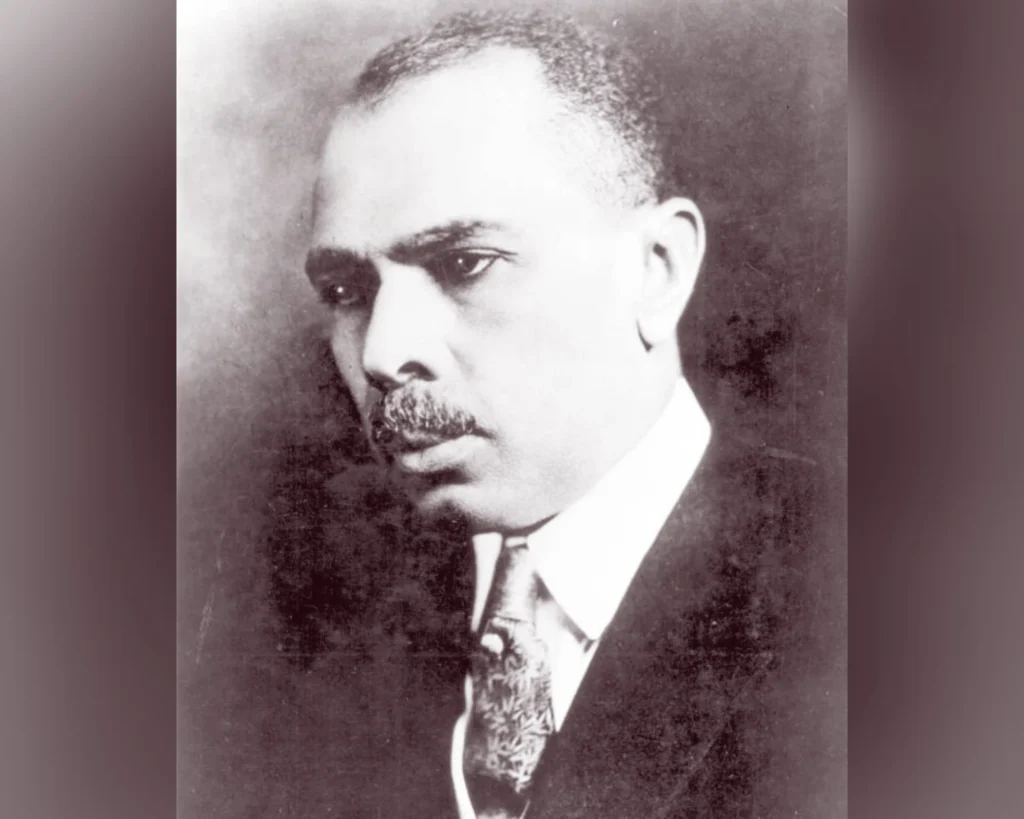
James Weldon Johnson
Educator, journalist, poet | The namesake of the park in front of Jacksonville City Hall, James Weldon Johnson was the principal at Stanton High School for eight years in the 1890s and early 20th century. In February 1900, Stanton students first performed “Lift Every Voice and Sing,” with lyrics Johnson first wrote as a poem in 1899 and music composed by his brother, John Rosamond Johnson. Earlier, he created and edited The Daily American, one of Florida’s first newspapers geared for African Americans, as early as 1895.
(Photo: Florida Memory)
Douglas Anderson
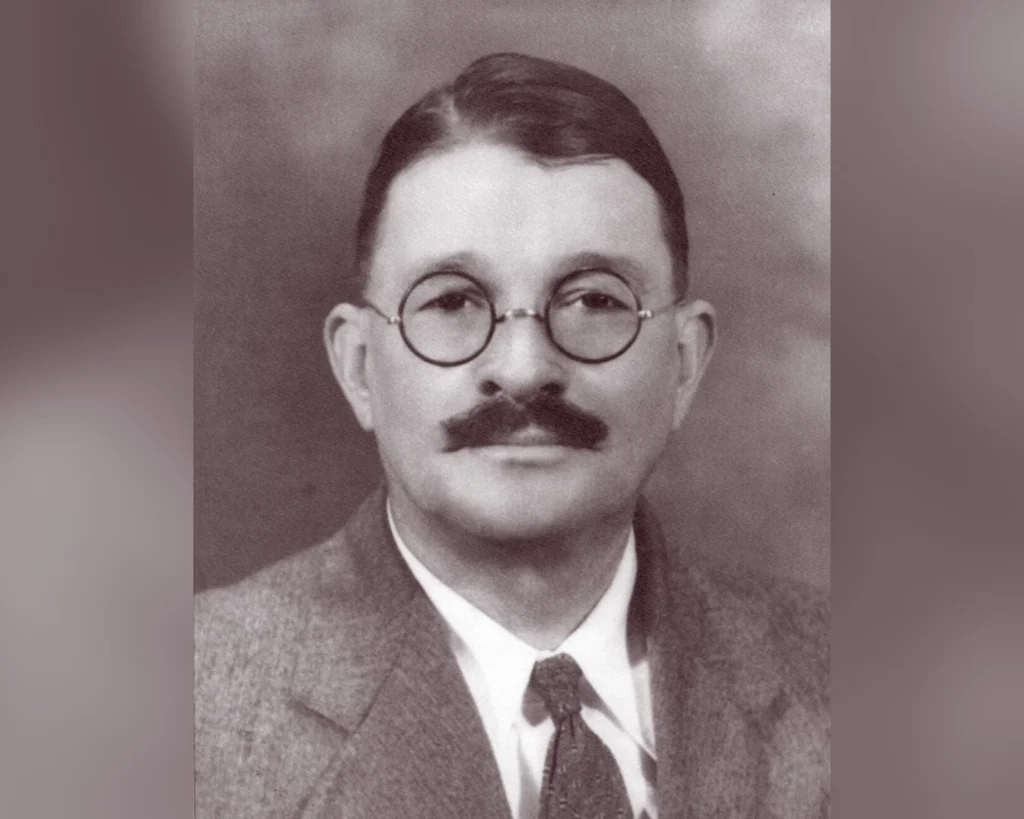
Education advocate | Jacksonville native and Tuskegee graduate Douglas Anderson led the push for Duval County Public Schools to build a public school for Black children on the Southside. The South Jacksonville Grammar School opened in 1922. It served students between first and ninth grade. He operated a bus company that transported students on the Southside to school. He died in December 1936 at 52 years old. In 1945, the South Jacksonville School was renamed in his honor. The Douglas Anderson School later became a high school for Black students before transitioning into the county’s public arts magnet high school.
(Photo: Douglas Anderson #107 Alumni Association)
Alvin White
Educator, administrator, coach | The late Jacksonville native Alvin White was a 1951 Stanton High School graduate who earned degrees from Florida A&M and Columbia and a doctorate from Nova Southeastern. A collegiate baseball pitcher, he is a member of the Florida A&M Sports Hall of Fame and Gallery of Distinction. White served as an assistant coach of the 1958 Matthew W. Gilbert football team, the first Duval County high school to finish the season unbeaten and win a state football championship. He was one of first African American educators in Duval County to be appointed as a vice principal at a predominantly white school. In 1972 he was named principal at Ribault High. He died in 2016.
(Photo submitted by the White family)
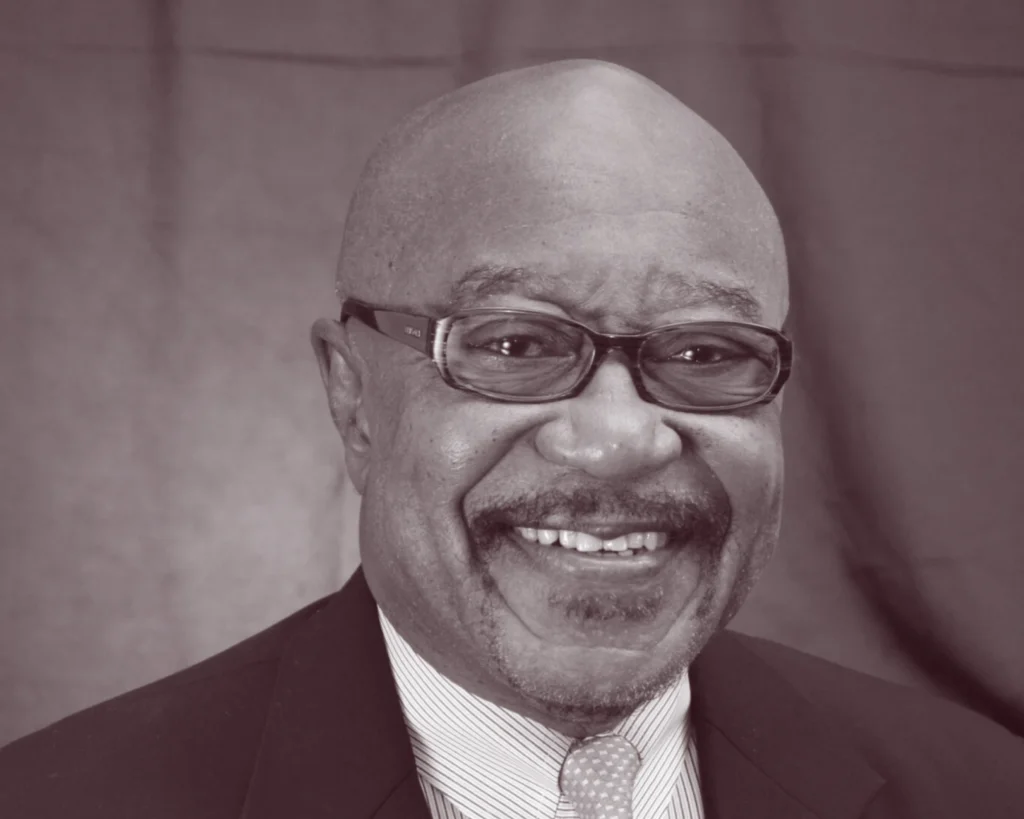
Julian White
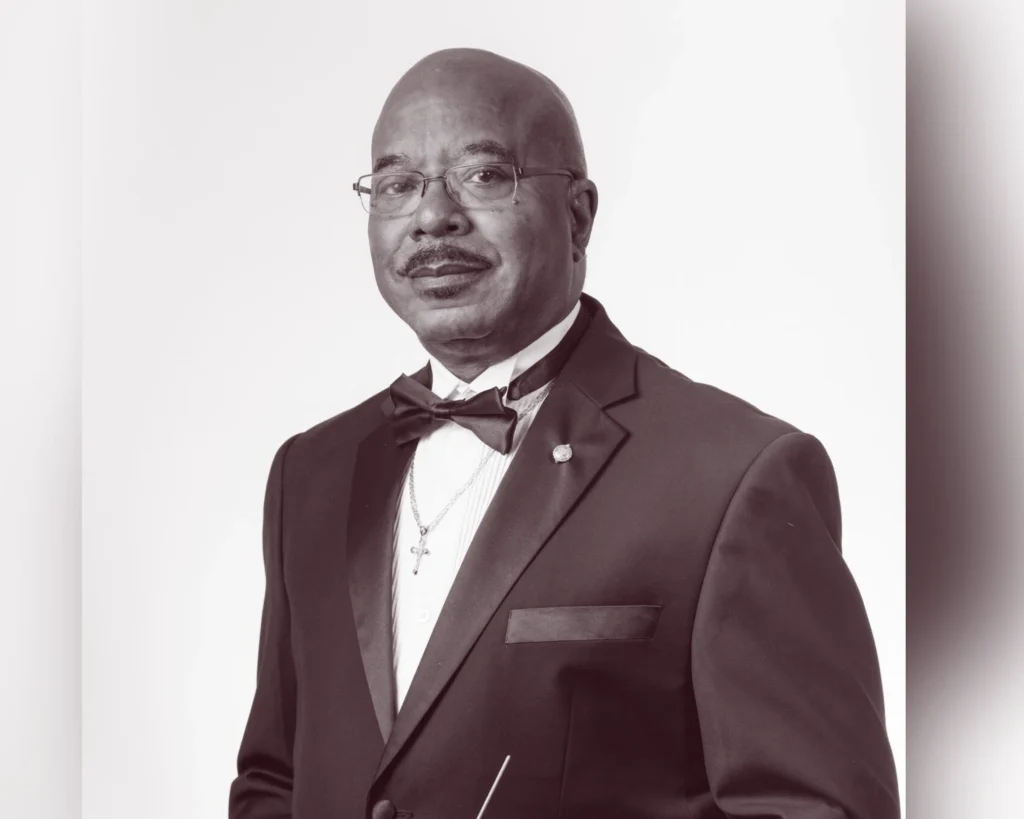
Band director | Jacksonville native Julian White is the former director of bands at Florida A&M University. During his tenure at Florida A&M, the Florida A&M Marching 100 performed at the Super Bowl, the GRAMMY Awards and the inauguration of President Barack Obama. Prior to his teaching tenure at FAMU, White served as band director at William M. Raines High School. White was inducted into the National Band Association Hall of Fame in 2025.
(Photo submitted by the White family)
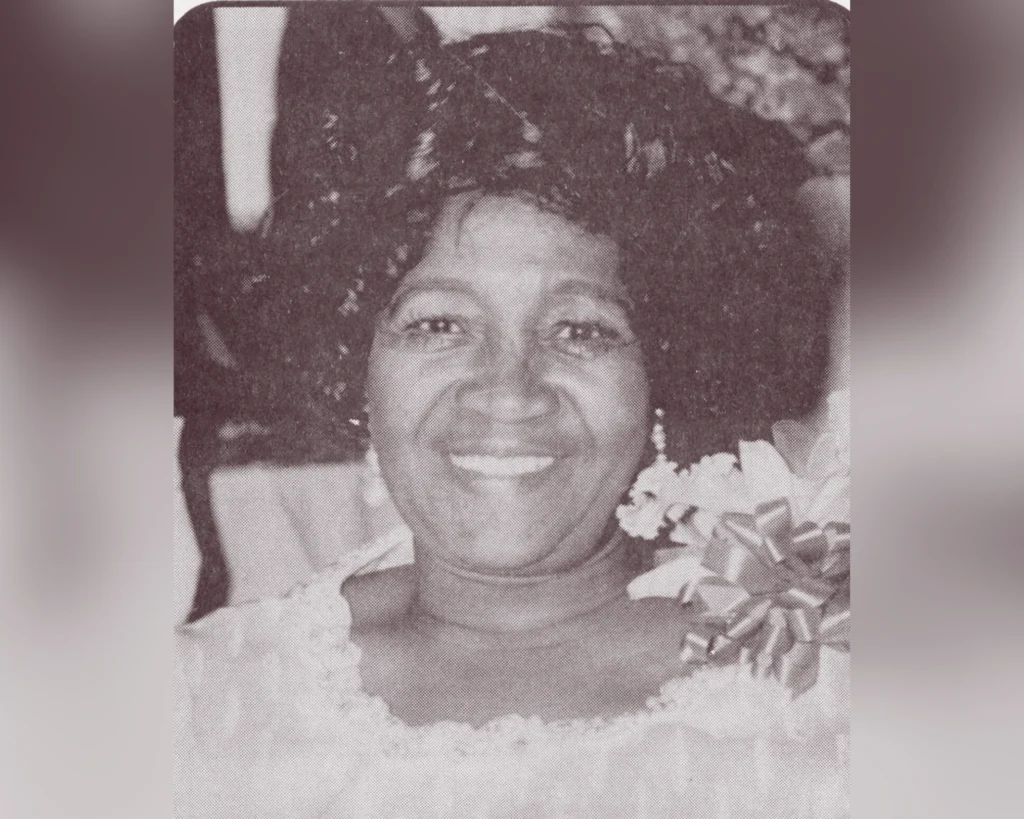
Mamie L. Horne Butler
Music educator | Jacksonville native Mamie L. Horne Butler was Duval County’s first supervisor of public school music, in 1931. She was a graduate of the Florida Normal Institute in St. Augustine – it’s now known as Florida Memorial University and based in Miami. Butler also earned degrees from Howard University and the University of Michigan. Alongside her 42-year career as an educator, she was a charter member of the Beta Alpha Zeta chapter of Zeta Phi Beta Sorority in December 1936.
(Photo: Jacksonville Public Library, Black History Month Calendar)
Thomas Van Renssalaer Gibbs
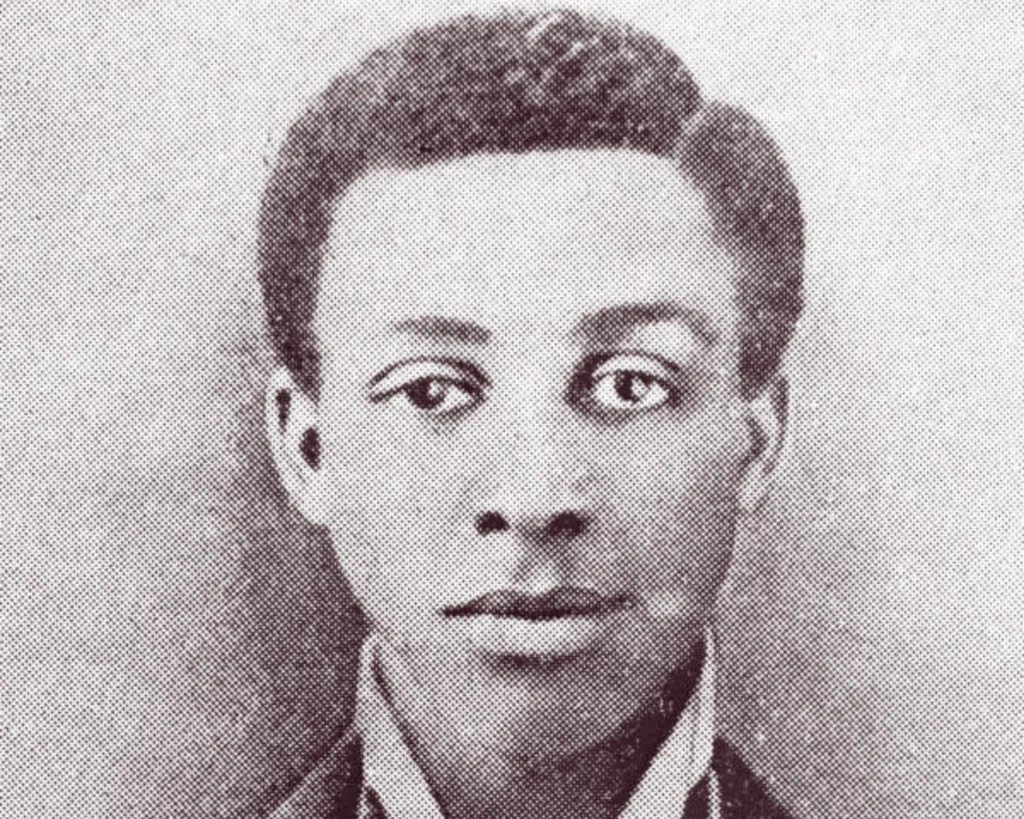
Lawmaker, educator, FAMU co-founder | Born in Troy, New York, on Sept. 16, 1855, Thomas Van Renssalaer Gibbs moved to Florida as a child. According to Leedell W. Neyland’s book Florida Agricultural and Mechanical University, a Centennial History, Gibbs began his teaching career in Duval County in 1875. He represented Duval County in the Florida House of Representatives in 1885 and 1887. On Oct. 3, 1887, he was a co-founder of the State Normal College for Colored Students, which is today known as Florida A&M University.
(Photo: Florida Memory)
Andrew Robinson
Educator, administrator | The late Jacksonville native Andrew Robinson graduated from Florida A&M University as well as Columbia. As the first principal of William M. Raines High School, Robinson is credited with using the phrase “Ichiban” to describe the Viking football team’s on-field dominance, hearkening back to his military service in Japan. In 1970 he was hired by the University of North Florida’s College of Education and became dean of the college in 1976. He served as UNF’s interim president from 1980 to 1982. Robinson died in 1988.
(Photo: University of North Florida Digital Commons)
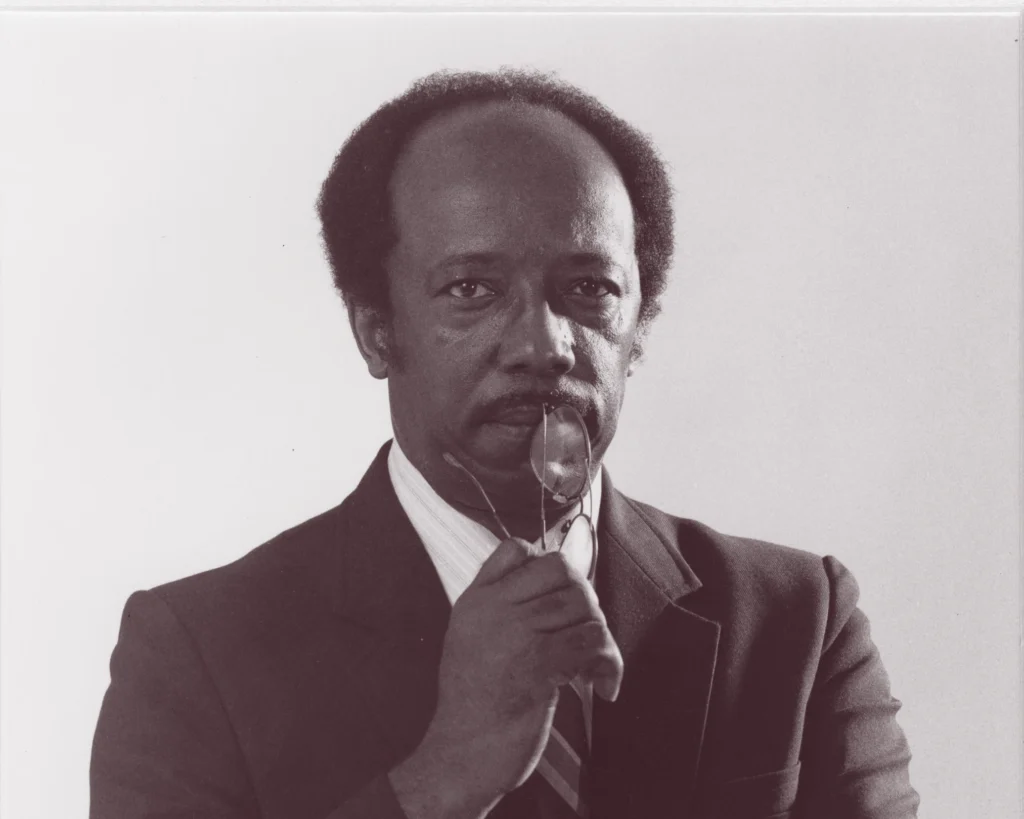
William Marion Raines
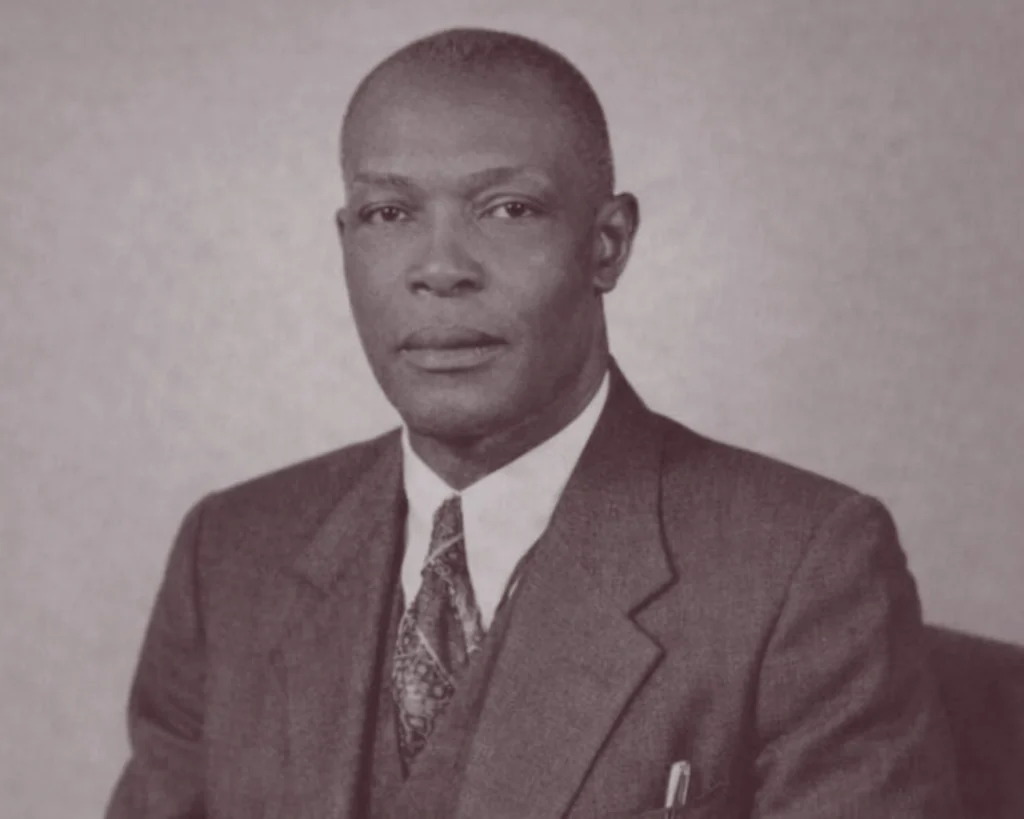
Educator, administrator | The late William Marion Raines devoted 28 years as a Duval County educator. Born in Monticello, Florida, he served as principal at Jacksonville’s Matthew W. Gilbert High School between 1938 and 1950. He died on February 8, 1950. When Duval County Public Schools built a $2 million school in 1965, it named the new facility after Raines.
(Photo: William M. Raines High School)
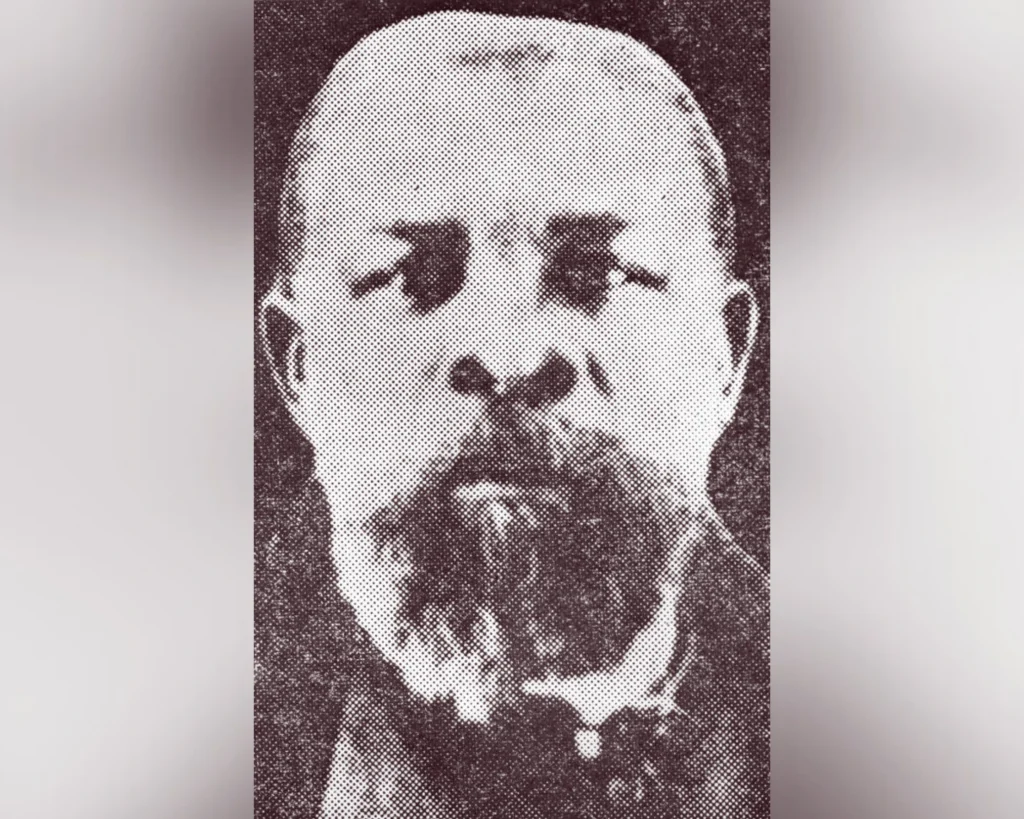
Rev. William G. Steward
Pastor | The Rev. William G. Steward, a South Carolina native, was tasked with starting the African Methodist Episcopal Church in Florida after the denomination was allowed to return at the end of the American Civil War. He founded Midway AME Church on the Eastside in June 1865. Steward and the Rev. Charles H. Pearce were also instrumental in raising funds to start a Christian school for Black students. That school, Florida’s oldest private educational institution, was the precursor to Edward Waters University.
(Photo: Florida Memory)
This entry is part of Jacksonville Today’s BLACKSONVILLE 100, a list of influential people with ties to Jacksonville, compiled on the centennial of Negro History Week. See the whole list.