Published on February 12, 2026 at 1:30 pm
Free local news and info, in your inbox at 6 a.m. M-F. Sign up for the Jacksonville Today newsletter.
According to the Pew Research Center, almost 70% of Americans are “very concerned” about the cost of housing. In Jacksonville, more than 4,000 affordable housing units are in the process of being built — in addition to the more than 3,500 that have been finished since Donna Deegan took office in 2023. That’s our Number of the Week: 3,576 below-market-rate housing units geared toward residents who make below the median area income.
3,576
Most of the recent efforts have focused on areas close to Jacksonville’s urban core. They include 247 units at the RISE Doro, freshly rebuilt after the building’s 2024 fire; a 228-unit endeavor in the historic Union Terminal Warehouse building on the Eastside; and 90 units that opened recently at the Village at Cedar Hills. (That developer also just pulled permits for a project that will raze the now-closed Lake Forest Elementary School and build a 120-unit affordable housing complex that sets aside 40 units for Duval Schools employees — because the district still owns the land.)
Jacksonville Today thanks our sponsors. Become one.
Here’s the spread of where the new affordable housing units are being built, among Jacksonville’s 14 City Council districts:
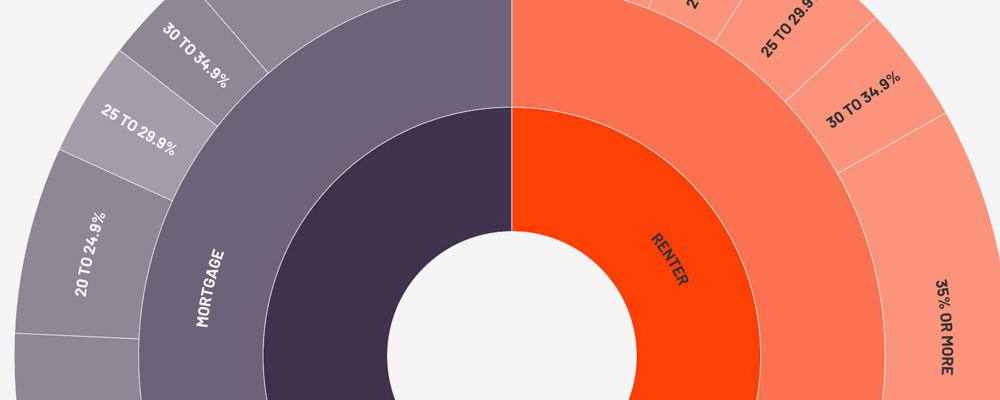
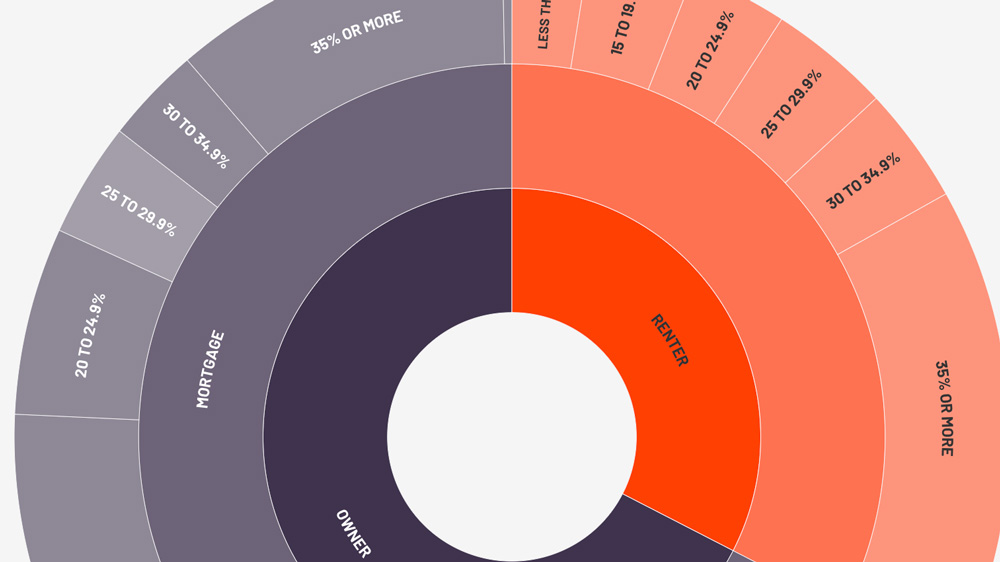
When it comes to affordable housing, the definition of “affordable” can be a sticking point for some — because it means different things to different people. According to the U.S. Census Bureau, in the Jacksonville Metro Area, most renters — 60% — pay between $1,000 and $2,000 a month. And despite a median area income of about $82,000, a similar percentage of First Coast renters (about 58%) spend 30% or more of their monthly income on rent — something analysts consider “cost-burdened.” Nationally, about half of renting households meet that threshold.