
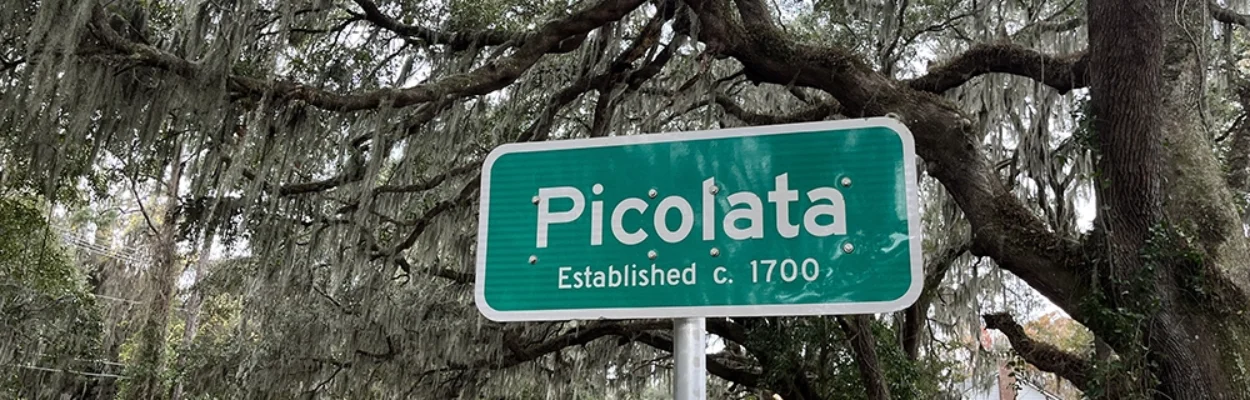
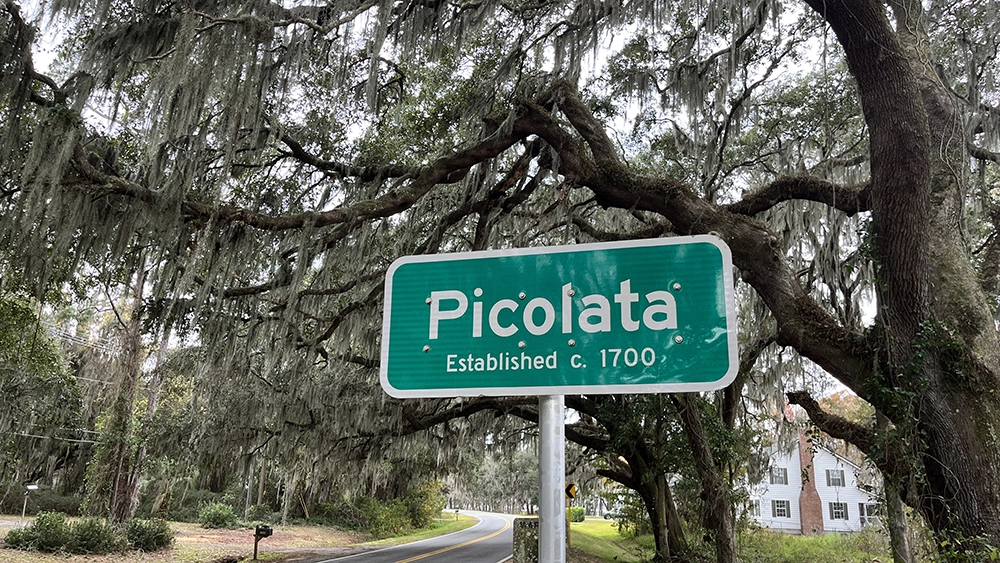
Picolata is a small community along the St. Johns River in west St. Johns County. The area's history goes back centuries, but very little physical evidence remains of forts and other structures that once stood. | Noah Hertz, Jacksonville Today
Published on December 19, 2025 at 3:57 pm
Free local news and info, in your inbox at 6 a.m. M-F. Sign up for the Jacksonville Today newsletter.
Not many people are familiar with the history of St. Johns County’s Picolata area, but if a local couple have their way, that could change.
Steve and Cindy Glidden are petitioning the county to purchase their property and turn it into a museum of the area’s past.
Jacksonville Today thanks our sponsors. Become one.
The Gliddens live in a roughly 150-year-old home on a plot of land that has been in Cindy’s family for generations. With such a strong connection, the couple want to see the land preserved and protected, not bulldozed and developed.
“We’re aging out of it. It requires so much. I don’t want to see it sold,” Cindy Glidden says. “We are invested in Picolata. We do not want to see it go the way of Silverleaf.”
That’s exactly why the couple hopes St. Johns County will purchase their property through the county’s Land Acquisition and Management Program.



Jacksonville Today thanks our sponsors. Become one.
And after receiving positive feedback from the board when they submitted their application this month, the Gliddens feel hopeful about their efforts to preserve an often-overlooked piece of the area’s history.
Telling Picolata’s story
Even if you have lived in Northeast Florida for your entire life, you would not be alone if you are unfamiliar with Picolata. These days, the name isn’t widely known outside of the small western St. Johns community.
Picolata lies just south of the Rivertown neighborhood and due west from St. Augustine, running for a few miles alongside the eastern shore of the St. Johns River.
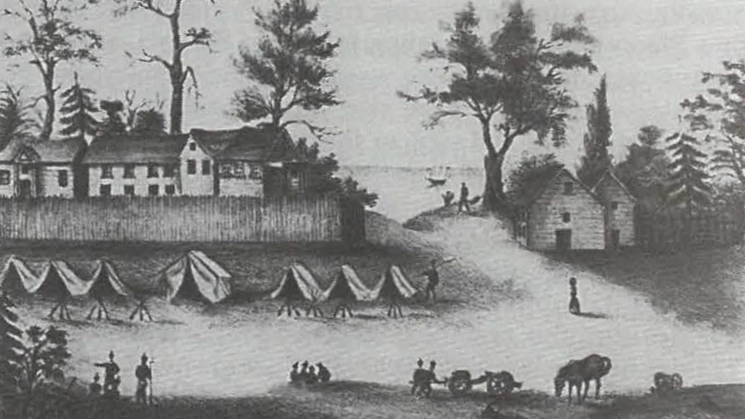
Although much of it has been lost to time, Picolata was once a river crossing and meeting place for Native Americans, as well as the sites of a Spanish fort and an early American battlement along the St. Johns River.
In her 1998 doctoral dissertation titled “Picolata on the St. Johns: St. Augustine’s River Outpost,” researcher Cecile-Marie Sastre writes that although nearly all visual traces of what was once a notable settlement along the river are gone, the people who still live there keep its story alive.
“The history of Picolata spanned four centuries of continuous activity on the river bank. Of all the outposts of St. Augustine only Picolata endured past the Civil War,” Sastre writes. “Paradoxically Picolata never grew beyond a handful of scattered buildings. Its perpetually small size and the complete disappearance of the Spanish fort before 1856 erased Old Picolata from the landscape by the end of the nineteenth century.”
The fort has been gone for centuries, and little remains of the battlements built to defend against British forces looking to take back their colonies. But when the water recedes, the Gliddens can see what remains of old docks where steamboats dropped passengers looking to begin the next leg of their journey to St. Augustine.
“It’s the DNA of our whole country, right here,” Steve Glidden says. “You can see pieces of it born here. It’s a forgotten history that I’d love to see exposed to people who need to understand how they got here, why they’re here, what the fights were …”
Steve’s wife has deep ties to the area too. The home where the Gliddens live has been in her family for more than 100 years.
Keeping history alive
To preserve that history long after they’re gone, the Gliddens applied to St. Johns County’s Land Acquisition and Management Program. The program allows property owners to sell land to the county to ensure it is used for conservation purposes.
When he spoke to the program’s board this month, Steve Glidden proposed that the home he and his wife live in be turned into a Picolata museum in the model of the historic home at St. Johns County’s Alpine Groves Park, or the 19th century Thursby House at Blue Spring State Park in Central Florida.
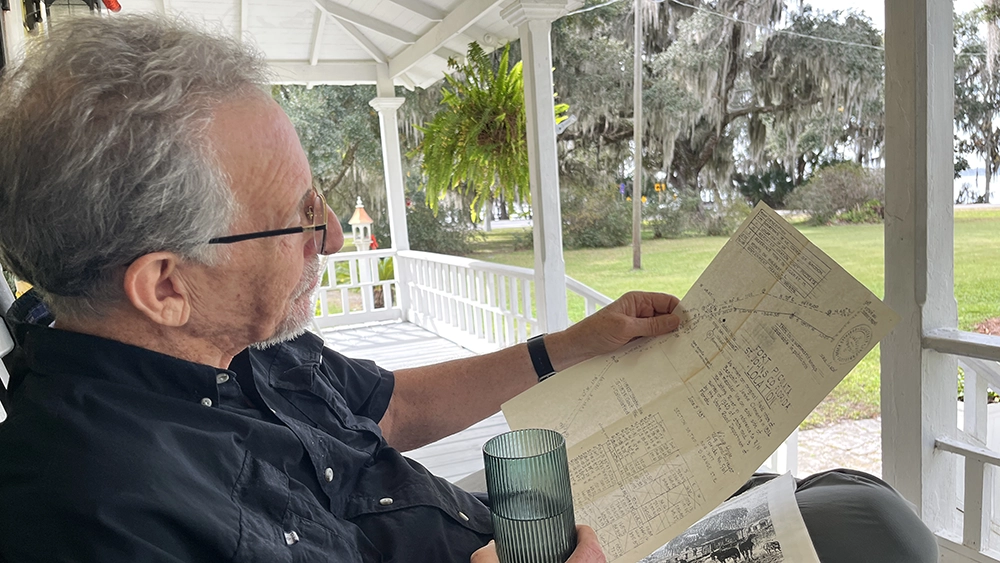
The Gliddens’ home in Picolata was built sometime around 1880, and although work has been done to modernize it — including a swimming pool in the backyard — the Gliddens say they would be happy to see it reverted back to what it looked like in the 19th century.
The plans could come to fruition, too. The couple received positive feedback from the Land Acquisition and Management board as well as the county’s Cultural Resource Review Board.
Leslee Keys, chair of the review board, says purchasing the property and preserving the home is an “excellent” idea.
“The history of the house and property are rare and extraordinary for the area,” Keys tells Jacksonville Today, “especially the association with and stewardship by a family over that length of time.”

The county’s Parks and Recreation department expressed that running a historic home in Picolata could be too similar to the one the county already operates in Alpine Groves Park, but the land acquisition board and others disagreed, saying the area’s character was unique and worth honoring.
Next steps
After hearing the Gliddens’ proposal, the board moved the property to its top-five list of priority properties to purchase. The St. Johns County Commission will discuss the list of priority properties in March.
If the commission decides to move forward with the Gliddens’ property on County Road 13, county staff will conduct an appraisal of the property to determine its value.