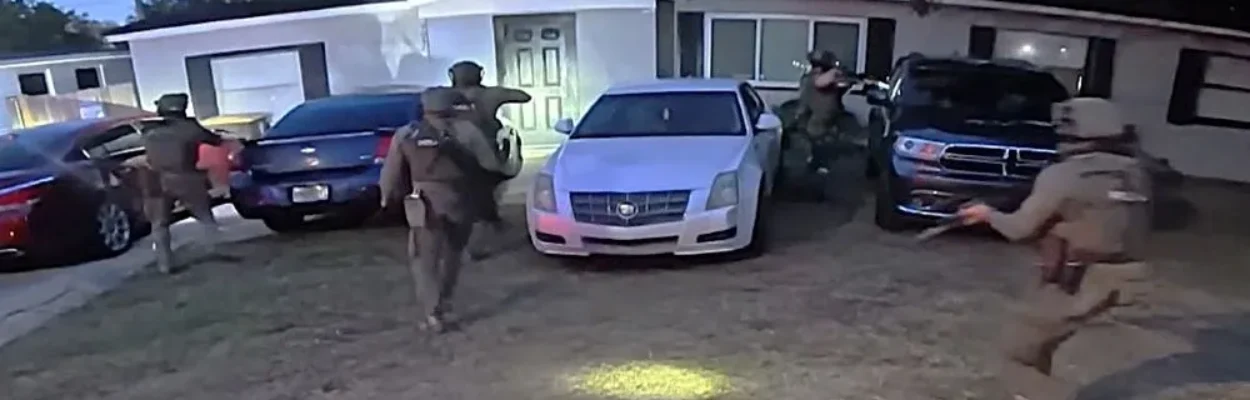
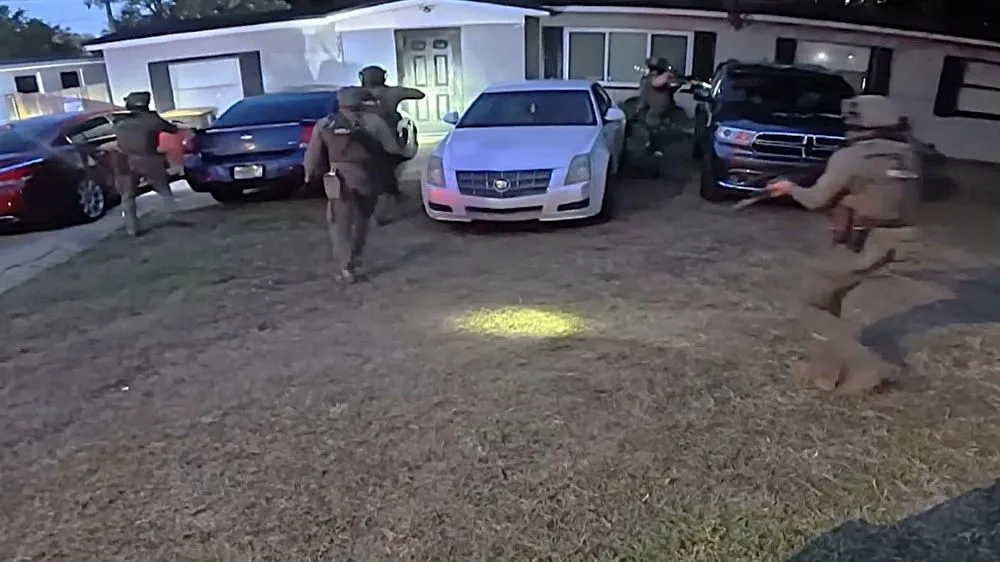
The Narcotics Overdose Death Investigations Unit rushes a house during a recent drug investigation. | Jacksonville Sheriff's Office
Published on December 9, 2025 at 2:58 pm
Free local news and info, in your inbox at 6 a.m. M-F. Sign up for the Jacksonville Today newsletter.
Drug overdose deaths investigated by the Jacksonville Sheriff’s Office have dropped by 33% — from 472 in 2022 to 317 in 2024, according to data released Tuesday.
The trend continued this year, with a total of 221 overdose deaths so far.
Jacksonville Today thanks our sponsors. Become one.
Sheriff T.K. Waters credits the decline to creation of the Narcotics Overdose Death Investigations Unit in 2021. The unit began in response to an increase in drug-related deaths caused largely by the arrival of synthetic opioids in street drug deals.
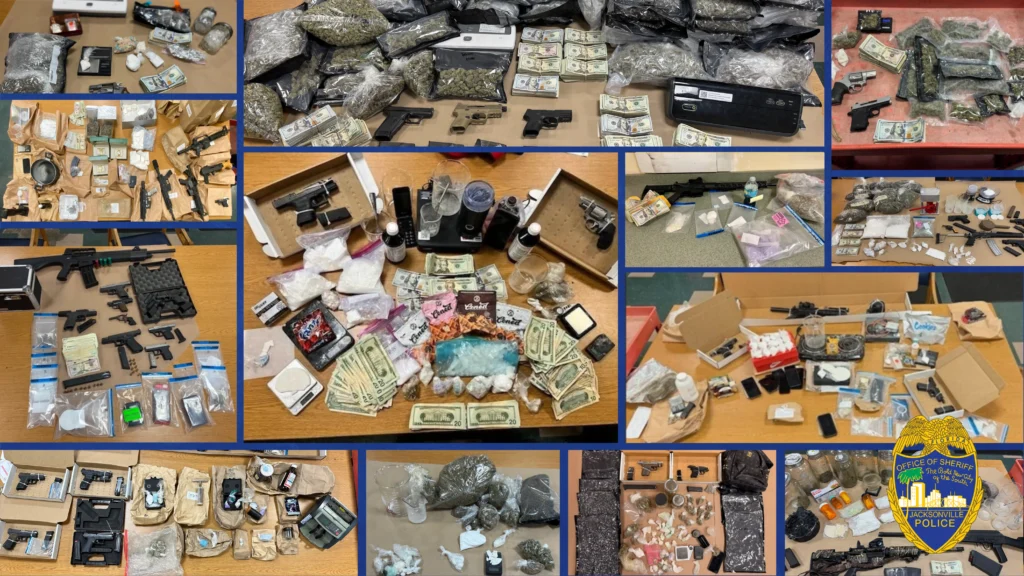
In 2025 alone, the Sheriff’s Office has seized 28 kilograms of fentanyl with an estimated street value of $638,000, Waters said. Investigators also have seized 60 kilograms of powdered cocaine with an estimated street value of $1.1 million and 3.4 kilograms of crack cocaine with an estimated street value of $56,000.
Police seized 177 guns during drug investigations this year, Waters said.


Jacksonville Today thanks our sponsors. Become one.
Overdoses statewide
The sheriff’s information mirrors a dramatic overall decrease in drug-related deaths statewide between 2023 and 2024, according to the annual Drugs Identified in Deceased Persons Report, released in October by the Florida Medical Examiners Commission.
Deaths in Florida fell 14% in 2024, with opioid-caused deaths dropping 32% and fentanyl-caused deaths going down by 35%. The report also shows fewer deaths in Northeast Florida from fentanyl, cocaine and oxycodone.
The decrease in overdose deaths can be attributed to many factors, including better public education and services for drug users and the seizure of large quantities of fentanyl and other opioids, making them less available to users, law enforcement says.
A 2-year-old state law allows murder charges against drug sellers when the drug was a “substantial factor” in a person’s death. The Jacksonville Sheriff’s Office charged 21 people with murder or manslaughter in 2023 and eight in 2024, the department said.
Detectives arrested 17 drug dealers on manslaughter charges this year, Water said, adding, “Every dose of illegal narcotics seized by law enforcement is a potential life saved.”
One dealer faces a murder charge, Waters said.
“Working closely with the State Attorney’s Office, we are investigating and building innovative cases against those who provide and profit off the poisons that cause senseless deaths in our city,” he said. “Given the significant decline in overdose deaths this year … the fact is that JSO’s proactive narcotics investigations are preventing deaths.”
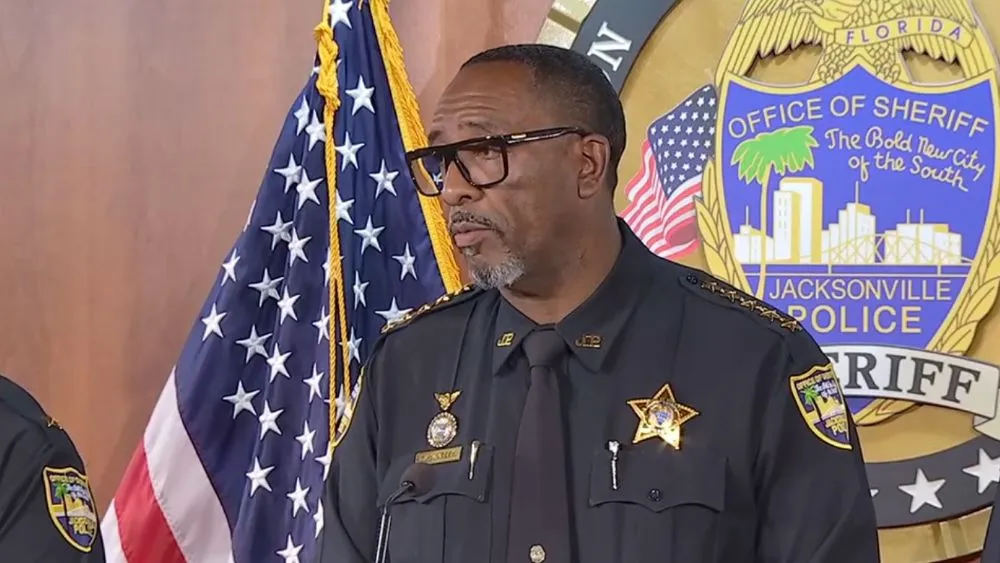
Of those arrested this year on manslaughter charges related to drug investigations, only one case involved a documented street gang, Waters said. Narcotics detectives also have arrested 813 people on other drug-related charges, a trend Waters said will continue.
The illegal drug trade has international ties, the sheriff said.
“Working together with local, state and federal law enforcement agencies, JSO’s narcotics unit have intercepted and seized drugs from planes, trucks, cars, boats and other vehicles,” he said. “Historically, JSO narcotics units have been part of investigations that reach into Central and South American and Caribbean countries, including Mexico, Jamaica and Columbia.”
Like the Sheriff’s Office, state officials credited the drop in drug overdose deaths to expanded access to medication such as naloxone (Narcan), enhanced drug interdiction by law enforcement and initiatives like the SAFE program.
SAFE — short for State Assistance for Fentanyl Eradication — provides grants to local law enforcement for large-scale drug operations.
Other programs also have been started to help with overdoses. For example, JTA’s year-old “Safety on the Move” mobile classroom brings education about the dangers of opioid drugs to communities, along with doses of Narcan to help those who overdose.
Each October, the Sheriff’s Office and other agencies in Northeast Florida participate in National Drug Take Back Day, which lets people get rid of unwanted or expired prescription drugs so they don’t fall into the wrong hands.